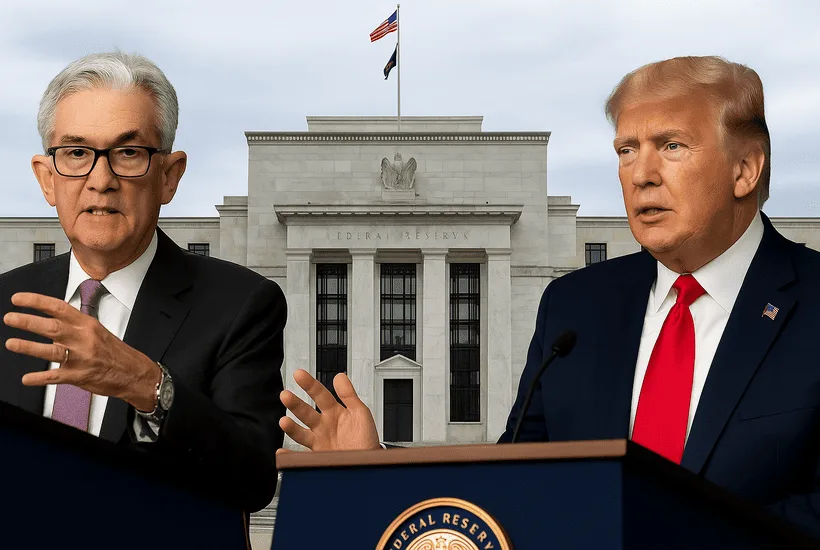



As the U.S. Federal Reserve kicks off its July 29–30 policy meeting, the question on everyone’s mind is will Chairman Jerome Powell signal a rate cut finally, or hold steady yet again? The current target range, set at 4.25%–4.50% since December 2024, remains in place for a fifth consecutive meeting.
Dovish versus status quo: Which way will he sway?
Those in favour of a July rate cut highlight slowing housing and construction, as well as lingering economic softness, despite resilient consumer spending and labor markets. Moreover, easing U.S.–EU trade tensions and lower tariff deals with countries like Vietnam and Japan have reduced inflationary pressure, softening the case for maintaining higher rates. A Reuters report showed, two Fed officials, Governor Chris Waller and Vice Chair Michelle Bowman, have openly supported a cut this month, citing easing conditions.
However, consensus remains strongly against an immediate change. Most economists expect rates to hold steady until at least September or even beyond. Some others have pencilled two modest cuts later this year and into 2026.

If Powell signals a cut, even a modest 25‑basis‑point reduction, it could trigger a market rally. That would bolster asset prices, ease mortgage and debt-servicing costs, and strengthen liquidity across credit markets.
According to the CME Group’s FedWatch tool, markets are currently pricing in under a 3% chance of a rate reduction at this week’s meeting. However, by the September 17 FOMC, the probability climbs to around 62%. By then, the Fed will have received updates on both inflation and jobs for July and August.
Trump’s pressure campaign
President Donald Trump has intensified the pressure, publicly urging a dramatic 3‑percentage‑point cut. Trump went on to argue that each 1% reduction would save the U.S. roughly $360 billion per year on interest costs. “Powell has to cut — a smart person would,” Trump said, using both speeches and a Fed-site visit to publicize the squeeze. Trump also hinted that he will miss Powell, although the latter’s term ends only in May 2026.
Powell’s decision on July 30 will hinge on balancing inflation risks, evolving trade dynamics, and the widening political pressure from both the White House and parts of his own board. The outcome could shape the trajectory of U.S. monetary policy for months to come.