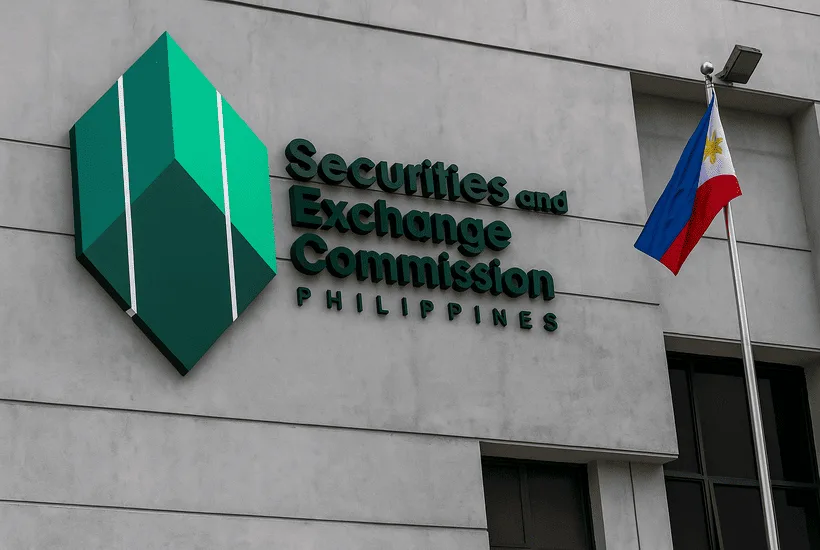



Amid a rising interest in crypto, Philippines has moved to keep its investor community safeguarded against financial risks. This week, the Securities and Exchange Commission (SEC) of Philippines has released a list of unregistered crypto firms — directing investors against engaging with these platforms. OKX, Kucoin, and Bybit are among exchanges that have been flagged as unregistered in the country.
Unregistered exchanges often function without setting up anti-money laundering systems in place, the SEC said. It informed the investors that such platforms are not subject to the needed regulatory oversight which could result in serious vulnerabilities.
“Continued public access to such platforms may expose the country to cross-border illicit finance and reputational risks, including concerns related to gray-listing,” the SEC said.

Other exchanges that made it to the list include Kraken, Bitget, MEXC, Coinex, Bitmart, and Poloniex. The response to this development from the listed exchanges remains awaited for now.
“These platforms have no license, registration, or authorization from the SEC to operate in the Philippines or to solicit investments from the public. Their actions are unauthorized and expose Filipino investors to significant risk, including total loss of funds, no legal recourse, and exposure to fraud, market manipulation, and identity theft,” the directive noted.
Back in 2024, Philippines had also blocked access to Binance citing non-compliance with local regulations.
The SEC there revealed that after identifying Binance’s incomplete compliance status, the agency started investigating other crypto firms as well to see if their crypto offerings in the market were risk controlled and in alignment with national laws.
The market watchdog in Philippines has clearly instructed investors against engaging with unregistered platforms. It also asked investors to be cautious against crypto promotions from influencers through social media.
The authorities have also encouraged investors to report unauthorized offering, selling, or marketing of crypto-assets.
“Continued public access to such platforms may expose the country to cross-border illicit finance and reputational risks, including concerns related to gray-listing,” the SEC noted.