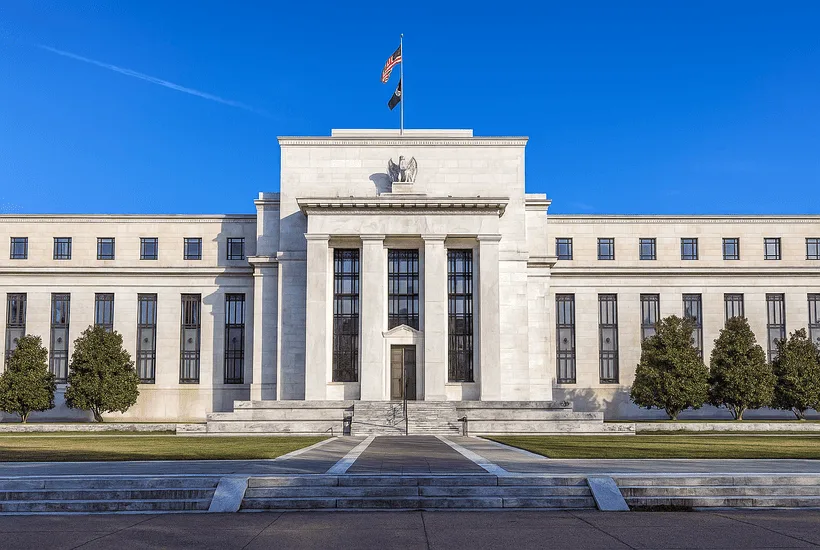



Federal Reserve Vice Chair for Supervision Michelle Bowman delivered a stark message at the Wyoming Blockchain Symposium on August 19. She warned that banks and regulators must move beyond cautious observation of digital assets and blockchain technology. Failure to adopt these innovations could leave banks as peripheral players in the financial ecosystem.
It is essential that banks and regulators are open to engaging in new technologies and departing from an overly cautious mindset. Regulators must understand new products and services and recognize the utility and necessity of embracing technology in the traditional financial sector.
Tokenization as an Immediate Use Case
Tokenization offers banks a powerful way to streamline financial operations by converting assets into digital tokens that can be transferred without intermediaries or the physical movement of securities. This efficiency reduces delays, minimizes manual coordination, and accelerates transaction timelines. By simplifying and automating steps that traditionally required multiple parties, tokenization lowers operational friction and expands access to financial markets for both large institutions and smaller community banks. Federal Reserve Vice Chair Michelle Bowman emphasized that aligning regulatory frameworks with blockchain technology could move tokenization from experimental pilot projects to mainstream adoption, enabling banks to fully realize its potential while maintaining compliance.

Blockchain for Fraud Prevention
Financial institutions continue to face significant threats from identity theft, scams, and other forms of fraud. Blockchain technology provides a robust tool to counter these risks by enhancing transparency, traceability, and security in transactions. Digital ledgers allow every transfer to be recorded immutably, making illicit activity easier to detect and prevent. Bowman argued that regulatory support is critical in this process, urging that frameworks should facilitate the adoption of blockchain-based fraud-prevention solutions rather than create unnecessary barriers. With proper oversight, banks could leverage these technologies to strengthen security, protect customer assets, and build greater trust in digital financial systems.
Implications for the Banking Sector
Bowman’s remarks signal a shift in the Federal Reserve’s approach: blockchain is no longer a niche innovation but a core infrastructure for the future of banking. Institutions embracing tokenization, fraud-prevention tools, and other blockchain applications are likely to maintain relevance, while banks that fail to evolve risk losing their competitive edge.