




The promise vs. The reality
The foundation of cryptocurrency exists on three main principles which are open access and neutral operation and systems which allow different networks to work together. The creators of the system designed it to function as a worldwide financial internet which enables value transfer through borders just like information transfer occurs. The ecosystem began to develop a paradox which created a situation that started to demonstrate different outcomes. The process of blockchain development brought forth multiple independent systems which maintained separate liquidity pools and security standards and token specifications and wallet systems and governance methods.
The financial system of decentralized finance built its foundation on Ethereum which enabled financial transactions while Solana delivered fast results through its single execution system and Cosmos presented its sovereignty through application chains while Layer-2 systems divided their liquidity for better performance. Users access multiple digital economies which remain disconnected instead of having access to a single internet-based value system. The solution to this problem exists within cross-chain infrastructure. The ecosystems used bridges, wrapped assets, and messaging protocols and interoperability layers as their main tools for establishing connections.
The tools created new risks which disrupted the structural framework of crypto markets, leading to market segmentation, and problems with liquidity, and increasing risks that make financial systems function like unconnected economic centers. The current question establishes that crypto has achieved scalability capacity. The industry needs to answer whether it unintentionally creates various internet systems which operate separately while competing for control instead of creating one worldwide network system.

The economic cost of fragmentation
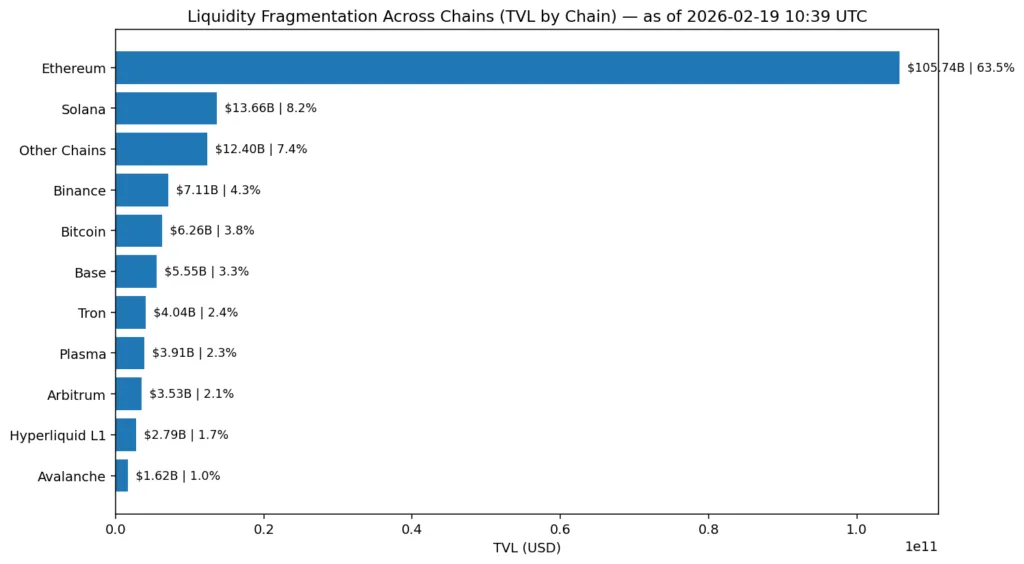
Every new blockchain network establishes its own system of liquidity pools along with its separate token duplicates and governance mechanisms. The distribution of capital across different ecosystems results in three components which include an order book and asset base but decreases the system’s overall performance and asset accessibility.
The process of establishing asset market values fails because different blockchain networks handle the same asset through separate liquidity channels. Different blockchain networks use this process to create fake shortages of their assets. The process of capital allocation by liquidity providers creates mixed incentives which result in their capital moving between different markets. The complete disappearance of incentives leads to rapid liquidity loss which creates considerable price fluctuations and greater trading expenses for market participants.
The financial world functions as a market system which operates through independent national exchanges that do not share their clearing systems with other nations. Bridges create synthetic asset representations to connect different systems but their trusted elements require custodians and validators and multisignature contracts and external verification layers which create new security risks. Cross-chain asset movement presents two major problems because it makes security functions less efficient and more challenging to handle. The expansion of multiple blockchain networks creates a hidden expense which results in capital inefficiency. Ecosystems distribute their total liquidity instead of using it to expand their operational capacity.
Bridges the fragile connective tissue
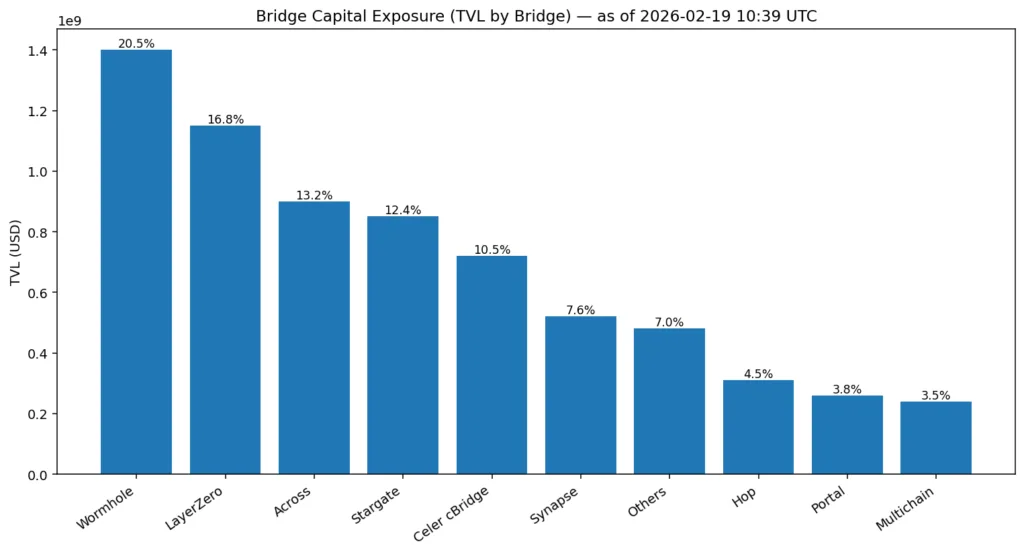
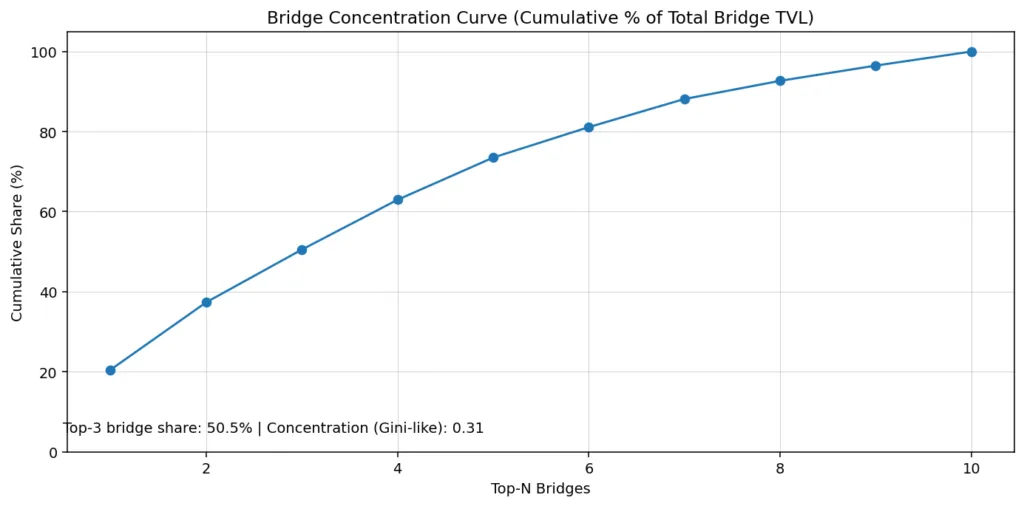
The interoperability narrative begins with bridges which serve as its main connecting point. The system enables asset transfers between different chains which creates the possibility of establishing shared market access. The system has maintained its status as the weakest security component throughout its entire existence in the crypto industry. Attackers see bridges as valuable targets because they hold substantial amounts of locked funds.
A single failure in verification logic or key management can compromise billions in assets. The system operates with structural weaknesses which enable bridges to function as major security hazards instead of standard operational infrastructure. Bridges create two main problems because they extend operational delays and require users to place their confidence in system security.
Users of wrapped assets must depend on external security measures which they do not fully comprehend. The asset held on one chain exists as a synthetic representation because it depends on bridge integrity for its actual value. The rising use of cross-chain assets in DeFi protocols leads to increased risks of system-wide contagion. The system experiences a cascade effect when a bridge failure occurs which affects multiple ecosystems at once, causing disruptions in liquidity and collateral values and market equilibrium.
Layer-2 expansion scaling or splitting?
The development of Layer-2 networks began because Ethereum required better solutions to handle its scalability issues. Rollups delivered operational improvements together with financial savings, but their implementation created additional layers of network segmentation. Each rollup operates as a semi-isolated economy with unique liquidity pools and user bases.From a technical perspective, rollups maintain their security through their connection to the Ethereum network. From an economic perspective, they divide capital.
Users must bridge assets between rollups, which creates friction that resembles the process of transferring funds between separate blockchains. The temporary user attraction through liquidity incentives leads to capital movement between different ecosystems, which prevents any increase in user adoption. The pattern of liquidity concentration followed by fast dispersion has become more common in DeFi metrics. The scaling solutions create a paradox because they enhance throughput capacity while they reduce the composability which serves as a fundamental feature of DeFi.
Interoperability narratives vs. market reality
The crypto market now focuses on two main themes which are omnichain futures and seamless interoperability. Actual user patterns demonstrate that ecosystems maintain their current state of separation. Most users stay within one preferred chain due to wallet familiarity and liquidity availability and perceived safety. Cross-chain systems create cognitive challenges that decrease user understanding.
Retail users find multi-chain participation challenging because they need to handle multiple elements which include bridges and gas tokens and specific chain-related dangers. Institutional adoption faces similar barriers because compliance frameworks fail to track assets which move between various systems. The market values easy-to-understand solutions. The process of breaking systems apart creates additional challenges. The next cycle will determine whether blockchain development will use hidden cross-network connections or maintain its current system of separate networks.
Featured coins the chains defining the fragmentation debate
Ethereum operates as the primary settlement layer which handles most liquidity but its Layer-2 development creates internal fragmentation problems. Solana implements its core design through vertical integration as it provides rapid execution capabilities inside one system which results in decreased operational efficiency yet creates issues about centralized control.
Cosmos enables independent app-chains to operate their own networks while using interoperability protocols to link their systems together. Polkadot establishes its first interoperability system through shared security and parachains which enables its partners to develop unified organization systems that will decrease their operational divides. Avalanche uses subnet architecture to create custom ecosystems which will enhance specific application performance but will also increase their operational divide.