



When finance breaks, crypto moves
Financial systems operate under stable geopolitical conditions because their design requires this stability. The banking system depends on international settlement rails while payment processors need compliance infrastructure and monetary policy coordination helps maintain currency stability. Traditional finance systems experience disruptions when war or sanctions break these financial networks. Payment corridors freeze capital controls emerge overnight and individuals find themselves unable to move their own money.
Over the past decade cryptocurrency has developed into an alternative financial rail that functions outside traditional banking systems. Early discussions about crypto adoption used to focus on speculative trading and technological testing but recent geopolitical crises showed that crypto functions as a separate financial system during times of extreme instability. The most recent on-chain activities demonstrate this specific pattern yet again. Iranian exchange users started withdrawing their cryptocurrency assets after military strikes and rising geopolitical tensions with Iran. Local trading platforms experienced millions of dollars flowing out into self-custodied wallets within a few hours.
People and organizations use blockchain-based assets as their preferred method to preserve capital and move their resources during times of political and financial stress according to this activity. The described patterns represent multiple interconnected occurrences. Countries across the world experienced similar trends during multiple events which included the Russia-Ukraine conflict and Argentine and Lebanese currency collapses and various periods of capital restrictions throughout emerging markets. Cryptocurrency networks served as financial escape routes during times when traditional financial systems faced limitations in three separate instances.

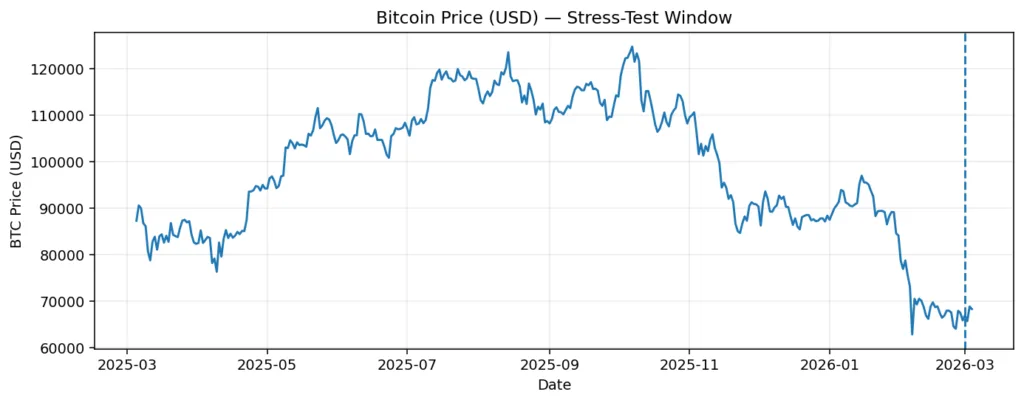
Crypto during sanctions
Economic sanctions function as measures which cut off a nation from all international financial operations. The measures block SWIFT payment systems while they restrict international banking connections and they stop access to assets which belong to prohibited organizations. Sanctions have shown their power to create strong effects because worldwide financial systems depend on Western banking networks which control their operations.
Cryptocurrency creates an entirely new operational system. Blockchain networks function as decentralized systems which let users complete transactions worldwide without needing banks or international settlement systems. Decentralized networks enable both individuals and organizations located in sanctioned areas to conduct international value transfers. Countries that experience financial restrictions find increasing importance in crypto because it enables them to conduct cross-border transactions. Authorities in Iran support local cryptocurrency mining activities which help generate digital assets that can be used for international transactions.
Mining allows sanctioned countries to produce crypto assets that exist entirely outside traditional financial systems, effectively creating a new export mechanism. Citizens under sanctions use cryptocurrencies for their international trade needs while they live in restricted areas. USDT and USDC stablecoins enable users to maintain dollar value during times when their local currencies experience inflation or when banking services become restricted.
Users can exchange local currency for crypto through peer-to-peer exchanges and decentralized trading platforms which operate independently of regulated exchanges that must follow sanctions rules. The ongoing discussions between governments and regulatory bodies about cryptocurrency use as a sanction evasion method continue while on-chain analysis shows different results.
Capital flight and blockchain
´The first economic reaction that follows geopolitical conflict is capital flight. People transfer their money to secure locations when they believe their assets will be subject to freezing or confiscation or devaluation. Traditional financial systems enable users to transfer their funds through three main methods, which include making international bank transfers, buying foreign currency, and investing in gold. The options available for asset protection during times of geopolitical crisis become restricted. Governments use capital controls to stop international money transfers, while banks impose limits on customer withdrawals and currency exchange markets face overwhelming challenges.
Digital currencies create a new system which enables international capital transfer without bank permission through digital currency movement. Users can exchange their local money for cryptocurrency which they can send to any global wallet within a few minutes. The system operates independently from banking institutions and governmental bodies because it does not need their validation. The recent surge in withdrawals from Iranian exchanges illustrates this mechanism clearly. The military conflict created an urgent need for users to move their digital assets from centralized exchanges to their private wallets according to blockchain transaction data. Users use these movement patterns to protect their assets from governmental control of financial systems.
Blockchain-based capital flight presents multiple distinctive economic features that exist at the macroeconomic level. The public ledger system enables analysts to observe real-time monitoring of substantial financial flows through its transparent transaction process. The global liquidity of crypto assets enables users to exchange them for local currency in various countries without needing conventional banking systems. Self-custody wallets give users control over their digital assets through personal management.
Stablecoins as war-time money
The most important financial instrument which emerged during geopolitical conflicts operates through stablecoins even though Bitcoin and other cryptocurrencies create market volatility. Stablecoins serve as digital assets which maintain their value through a fixed exchange rate to U.S. dollar-backed fiat currencies.
The digital cash system of stablecoins enables users to store value through dollar denominated assets while foreign currency access remains blocked. Stablecoins enable users to send money across international borders through blockchain networks which allow instant transfer of funds. Analysts commonly refer to stablecoins as “war-time money” because of their operational capabilities.
Humanitarian organizations used stablecoins to send direct donations to recipients on the ground during the initial phase of the Russia-Ukraine conflict. Ukrainian citizens turned to crypto as a solution to transfer their assets from Ukraine when banks encountered operational challenges. In countries that face currency devaluation problems, people choose stablecoins as their main method to preserve wealth.
Users exchange their local currencies which lose value at a rapid pace for digital assets that maintain a fixed value to the US dollar. The digital currency stablecoins enable businesses to conduct international trade while their countries face economic restrictions. Companies can utilize blockchain networks to complete their transactions without needing to connect to worldwide banking systems. The growing regulatory oversight of stablecoin issuers has increased their importance as digital currencies which function outside conventional banking systems.
Government surveillance vs Crypto privacy
The transparent nature of cryptocurrency functions as its core mechanism because people believe it provides anonymous transactions. Most blockchain networks operate on public ledgers where transaction histories are permanently recorded and accessible to anyone. Governments and law enforcement agencies use advanced blockchain analytics tools which developed through this transparent system. Authorities use these tools to track how money moves between accounts while detecting suspicious behavior and connecting digital wallet addresses to actual people. Cryptocurrency usage allows partial user privacy because users must verify their identity when they use regulated cryptocurrency exchanges.
The privacy system which controls cryptocurrency surveillance activities is always in flux. Users of privacy-enhancing tools which include zero-knowledge proofs and privacy coins and decentralized mixing services work to achieve less visible transactions. Financial transparency requirements established by regulators conflict with users’ desires to maintain their financial independence.
The conflict reaches its peak during times of international military conflicts. Governments usually increase their supervision of money transfers to stop people from evading sanctions while citizens in restrictive countries try to use privacy solutions to maintain control of their money. The situation has created an ongoing competition between technological development and regulatory measures. Blockchain analytics companies create advanced tracking systems which enable them to monitor digital activities but privacy developers research new cryptographic techniques which protect transaction data from unauthorized access.
The rise of crisis finance
The increasing adoption of cryptocurrencies during times of geopolitical conflicts indicates the development of a fundamental financial system which experts now refer to as crisis finance. The system functions through special financial networks which continue to operate when conventional financial systems become unavailable. The financial system of crisis finance extends beyond its application to cryptocurrencies. The system includes decentralized finance platforms and peer-to-peer payment networks together with digital identity systems which enable users to make transactions without needing centralized intermediaries.
The new system uses blockchain networks as its financial infrastructure which enables operations that do not depend on national banking systems. The networks maintain their operational capabilities because they use decentralized nodes which exist throughout the entire world when geopolitical conflicts interrupt standard financial operations.
The development of crisis finance demonstrates that financial institutions now define financial strength through their ability to withstand difficult situations. Financial institutions and regulatory bodies required protection through resilience training during previous historical periods. Resilience in the blockchain age needs development of financial systems which can function through decentralized structures that maintain operations during government and financial system breakdowns. The systems provide financial control to people who live in unstable areas which previously appeared unattainable.