




The new yield frontier nobody fully understands
The development of Ethereum has progressed through various stages. The development of new DeFi lending applications and liquid staking solutions enables users to extract greater value from their existing assets. The introduction of restaking enables users to extend their staked ETH to protect extra networks which operate as Actively Validated Services (AVSs), thereby producing multiple yield opportunities from one asset.
The model shows ideal characteristics when you study it from the beginning. The system allows security to function as a reusable resource while new protocols establish customer trust through their operations and validators gain extra income streams without needing extra financial resources. The Ethereum network becomes more powerful because its security resources are shared between users.
The system functions through its efficient operations, which create a fundamental question about its structure. The ecosystem starts to develop invisible leverage when customers use the same collateral to protect multiple independent systems through cryptoeconomic rehypothecation. The system uses staking as its main security method which creates multiple ways to expose the network, because all security failures lead to system failure. The design of restaking creates a new yield system, which reveals hidden financial power that exists within the Ethereum network.

Security reuse vs Systemic risk the core tradeoff
Your existing Ethereum staking system creates a system which enables people to assess their risk level because they can see all elements that create potential danger. The network depends on validators to maintain its security whereas slashing risk applies exclusively to that network space. Restaking creates operational changes because validators must now work with their validation tasks across all network systems. The systems of AVSs use Ethereum economic security by creating extra slashing requirements which link to their existing collateral. The current validation system requires validators to handle three operational responsibilities which include protecting their main assets during system failures and operational problems with external platforms.
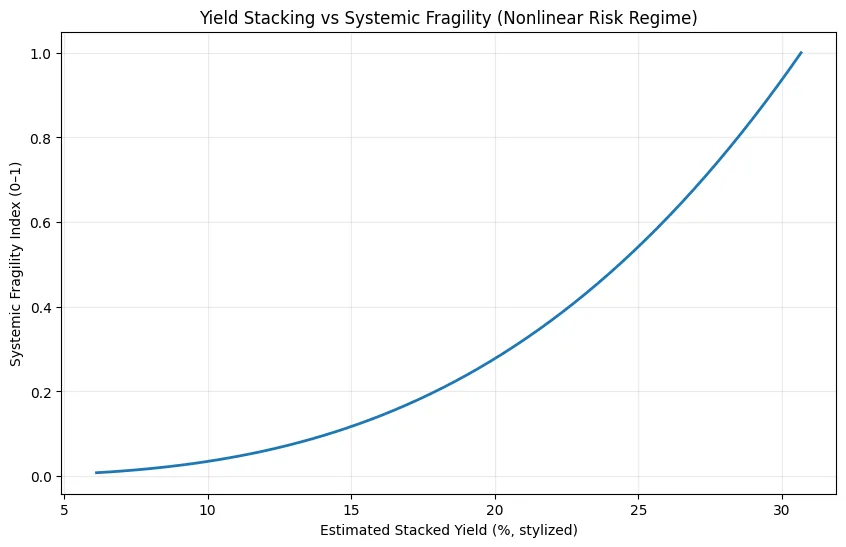
The dual-edged model which industry observers currently describe shows that it creates double value because it generates higher rewards while multiple slashing pathways exist. Financial experts establish that risk increases at a speed which outpaces operational yield. The reward system produces linear increases while system exposure develops through multiple dependency chains which create non-linear growth patterns.
A single validator protects multiple data availability layers which include oracle networks and sequencing systems and cross-chain infrastructure because each component has its own failure points. The model shows better capital efficiency yet creates difficulties for organizations which need to measure their resilient performance.
The AVS dependency web hidden correlation risk
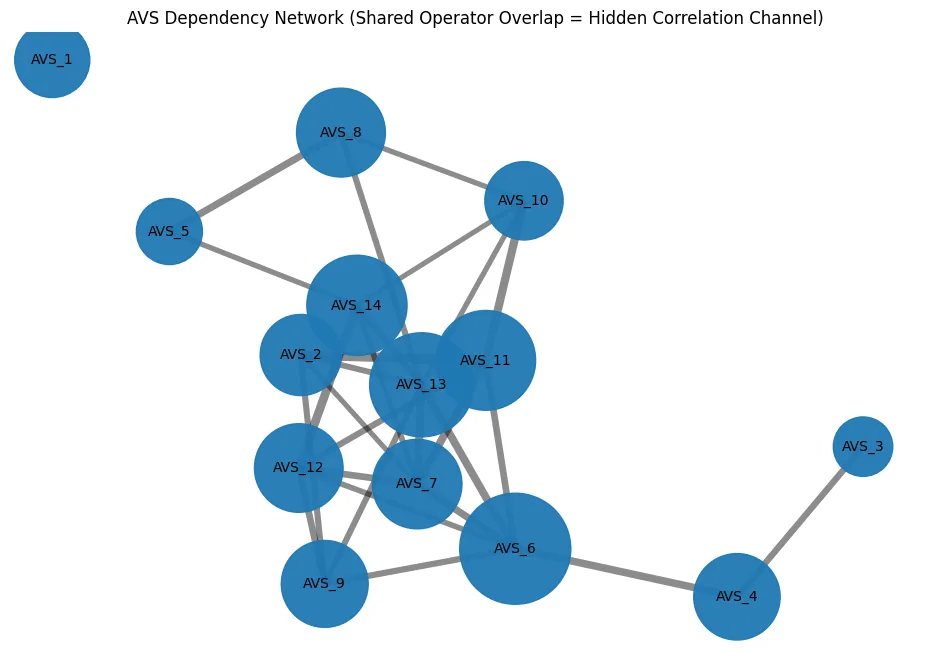
The practice of restaking creates an unspoken network connection which exists between different protocols. Although AVSs function as separate applications their economic activities depend on their common validator assets. Academic work on Ethereum dependency risk shows how complex protocol interconnections can produce fragile ecosystems where unseen dependencies magnify systemic exposure. The problem becomes worse in restaking environments because shared stake functions as a channel which transmits information.
All stake which can be slashed becomes affected when an AVS experiences either an exploit or a governance breakdown. The same validators who secure multiple services will spread economic losses beyond their initial failure area. The event which appears to be limited in scope will cause confidence to decline throughout all interconnected networks. This situation creates a hidden contradiction because pooled capital strengthens Ethereum security while shared exposure makes it less secure.
Yield stacking and the illusion of free alpha
The restaking markets use yield narratives to promote their staking rewards which include AVS incentives as their secondary market component. The combined yield structure creates deep psychological effects which attract institutional investors and retail customers who seek better financial outcomes. The practice of yield stacking hides the complete operational framework of the financial system. Analysts define restaking as a mechanism that creates “slashing contagion” because one service’s penalties create wider impacts which affect all other services.
The economic profile begins to resemble leverage because the system does not require actual borrowing. The system operates similarly to traditional financial systems which use rehypothecation to let multiple parties access the same collateral. The system reaches maximum efficiency during stable operational periods.
The stress period creates a situation where collateral shortages together with linked asset losses lead to a sequence of asset reduction. The primary distinction between crypto markets and traditional markets lies in their continuous operation which lacks both circuit breakers and central clearinghouses. The spread of contagion occurs at the speed of blockchain networks.
Contagion simulations how failures could cascade
The scenario describes an imaginary situation which maintains realistic elements. An oracle AVS faces a data integrity failure when its system becomes compromised. The system generates incorrect data which causes improper slash events to affect operators. The operators already protect multiple AVSs face financial losses that decrease their staking capacity. The same operators who protect other AVSs now find themselves with insufficient collateral backing their operations. Market participants react to market conditions by withdrawing their investments and closing their liquid restaking positions. The collateral movement creates liquidity fragmentation because multiple assets try to exit the market at once. As risk premiums increase yield compression occurs.
DeFi protocols which depend on restaked collateral reevaluate their risk assessment procedures which results in increased liquidation risk. The shared security system creates a systematic path to failure because local system breakdowns result in ecosystem disruptions. The analysts established that elevated slashing exposure presents one of the main dangers which mature restaking systems face. The financial question now revolves around two possibilities which include restaking system failures and the chances of those failures spreading to other components.

The slashing debate risk control or leverage amplifier?
The new protocol upgrades now provide organizations with precise slashing attribution which helps them to control their systemwide slashing. Developers argue that isolating slashable stake per AVS prevents losses from spreading across unrelated services. The current changes bring risk management benefits to the organization. The system now operates with partial risk sharing instead of complete risk sharing between all entities.
The success of these security measures relies on how operators set up their systems and how their governing bodies function and how they react to real-world emergencies. History shows that financial innovation often appears stable until participants aggressively optimize yield. The more validators that pursue stacked returns, the higher their overlapping exposure risks become. The architecture presents a safer design in theoretical terms than it does in actual implementation.
Macro parallel restaking as crypto’s hidden credit layer
Traditional finance teaches that systemic crises emerge from hidden leverage which extends beyond what is visible in the financial system. The system disruption occurs when organizations use their collateral resources to create multiple hidden chains of financial obligations. The cryptoeconomic system establishes restaking as a mechanism which operates in accordance with this established pattern.ETH functions as a base-layer collateral asset which now provides security to various infrastructure components through its multiple operational layers.
This process generates hidden leverage growth throughout the entire Ethereum economic system. The economic foundation of the system supports more sophisticated financial structures which exist without any dependency on loans or derivatives. The system establishes a capital reserve system which operates through multiple security arrangements instead of using debt as its primary funding mechanism.
Why this matters for Ethereum’s future
Restaking brings about a complete transformation of its operations. The process helps new protocols save their initial expenses while it simultaneously boosts earnings for validators and it strengthens Ethereum’s role as the worldwide security settlement system. The process of achieving system efficiency will always lead to increased system vulnerability. The growing strength of Ethereum as a security platform requires organizations to develop advanced methods for handling risks.
The main questions to answer now include:Validator participation will become more concentrated to what extent?
Will AVS economics develop into a system that produces sustainable value beyond its current focus on incentive-based returns?
Can slashing remain localized during real stress events?
The most critical question investigates the maximum hidden leverage that Ethereum can handle before its impact reaches the fundamental base layer. No longer theoretical inquiries exist. They define the next phase of Ethereum’s financial evolution.