



Financial independence has always maintained a direct connection to personal liberty. The people who controlled economic resources through their wealth throughout history possessed the power to determine their own destinies while constructing their entire society.
Women have pursued equal rights through their quest for financial resources which includes monetary access and banking systems and their power to make economic choices. The power to earn money and save funds and invest assets and manage financial resources extends beyond economics. The financial system controls your freedom to choose between different paths and your ability to protect your belongings.
Financial power enables women to select their educational paths and career trajectories and family roles and personal growth paths. The present day is experiencing a major transformation. Women participate in financial markets through business creation and investment management and technology development which drives economic change throughout the world.

Financial literacy and digital innovation have created new opportunities for people who faced barriers to entry in the past. The historical origins of financial dependence together with the rising significance of financial education and women’s changing investment patterns and the digital finance evolution and women’s economic empowerment results all explain why money serves as a transformative instrument for women.
Historical financial dependence
Financial systems existed for centuries which prevented women from participating in financial activities that would create significant impact. In many societies, legal frameworks prevented women from owning property, opening bank accounts, signing contracts and managing their own financial assets.Throughout history, women in many regions depended on male guardians which included fathers and husbands to establish their financial identities.
The legal system assigned property rights and income rights to men, which made women financially dependent on their male relatives. This system restricted women from accessing job opportunities while it stopped them from accumulating wealth throughout their entire lives. Financial equality between genders progressed at an extremely slow speed during the whole twentieth century. Until the 1970s, women in several developed countries needed a male co-signer to open bank accounts.
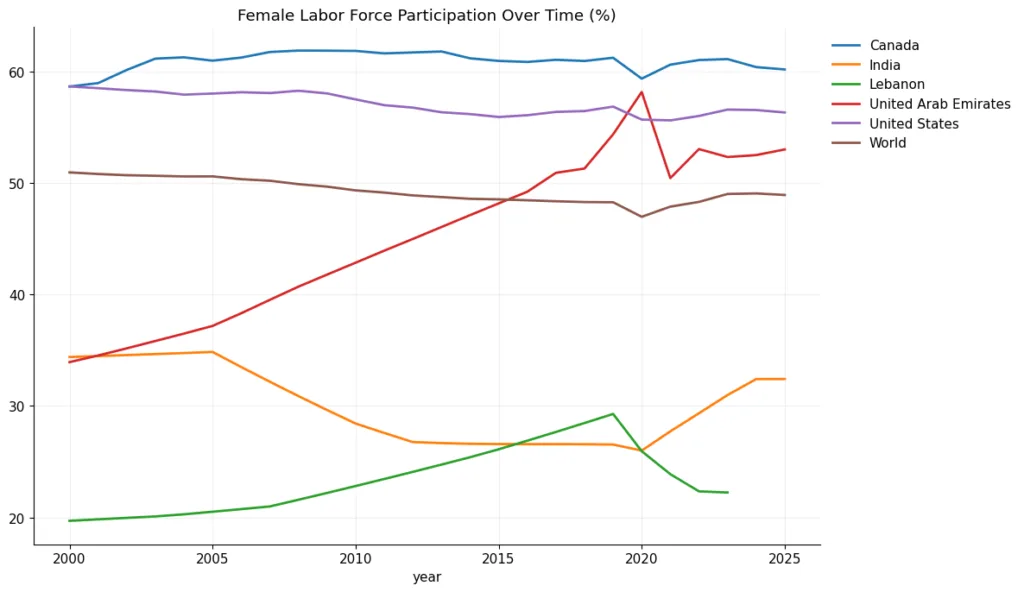
The lack of credit access created severe obstacles for women who wanted to start businesses or buy properties. The structural barriers created economic inequality which affected multiple generations. Women who lacked financial independence faced restrictions which prevented them from acquiring wealth and obtaining personal independence. Economic dependence shaped their decisions about education, career choices and family responsibilities.
The late twentieth century and early twenty-first century brought major changes to the world. Women began to work more while they completed their education and obtained legal recognition as independent economic actors. Financial institutions began to make changes based on these developments. The historical context shows that financial empowerment needs to be treated as highly important. Women who manage their financial resources achieve mastery over their life trajectories.
The importance of financial literacy
Access to money represents one aspect of financial freedom but people need to learn effective financial resource management to achieve this goal. The ability to manage financial resources through budget creation, saving techniques, debt control methods, investment knowledge, and understanding financial markets constitutes the definition of financial literacy.
The development of financial literacy skills enables people to operate through difficult economic times while they create lasting wealth. Financial literacy includes learning about budgeting methods and saving techniques and ways to handle debt and investment fundamentals and how financial markets function. People who possess these abilities can manage financial difficulties while creating lasting financial success. Women faced reduced opportunities to learn about finance because cultural traditions forced men to handle all money matters in their families.
Women reached adulthood without financial knowledge because they had not received adequate financial education and training to manage their personal finances. Educational platforms and financial media together with online learning communities have created an unprecedented opportunity for people to access financial knowledge. Women worldwide are increasing their involvement with investment and retirement planning and entrepreneurship and financial independence.
Financial literacy provides women multiple benefits because it empowers them to control their financial future. The program helps women to negotiate better pay and learn how their financial choices affect their future wealth potential. It helps to prevent people from being exploited financially through predatory lending schemes. Financial literacy functions as an essential tool for establishing financial knowledge. Women become active economic participants because they learn financial systems. The financial knowledge expansion has made investing in financial markets easier for people. The financial market gap which exists between audience members and market leaders continues to decrease.
Women and investment trends
The increasing number of women who invest in financial markets represents one of the most significant changes which currently affect modern financial systems. Investment markets maintained their reputation as male-dominated spaces because people believed that men would engage in aggressive risk-taking while executing fast-paced trading activities. The current research findings have disproven these widely accepted beliefs about the subject. Women achieve successful investment results by using investment methods which prioritize long-term growth and create diversified portfolios while handling risks through disciplined processes. Female investors concentrate on maintaining their investments through persistent efforts which deliver continuous results instead of engaging in short-term market betting activities.
The approach leads to better portfolio results which maintain their performance throughout extended periods. Women investors choose to follow their retirement saving goals and their education financing objectives and their asset protection aims instead of making hasty decisions based on market changes. Women not only invest for themselves but also create new patterns which influence how financial markets operate. Research shows that female investors choose to invest their funds in companies which maintain excellent environmental and social and governance standards. Financial markets function as a mechanism which enables people to create social changes through their monetary activities according to this research. Entrepreneurship represents another important dimension of women’s economic participation.
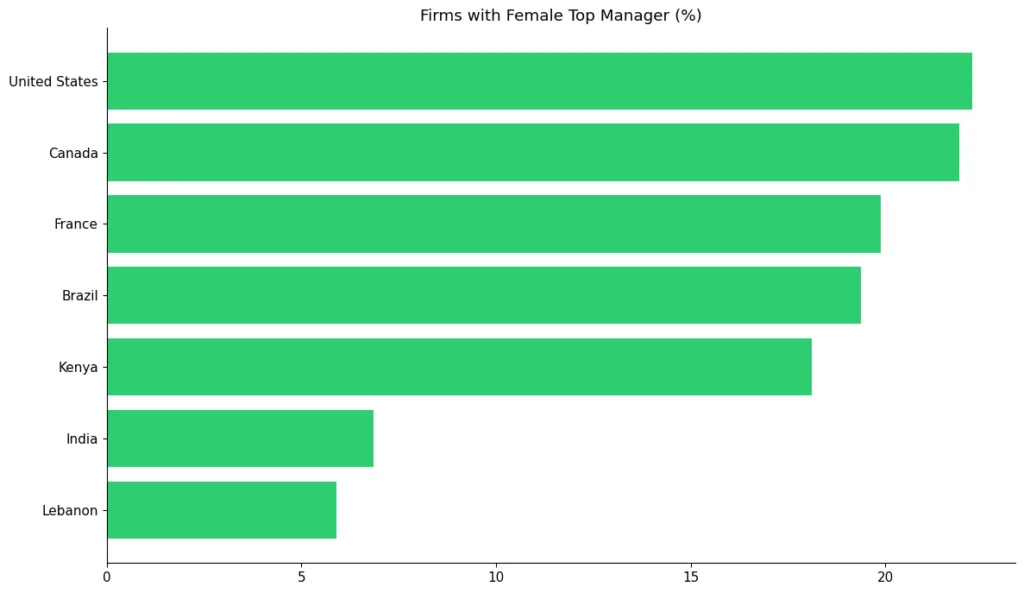
Female entrepreneurs operate their businesses in various fields which include technology and healthcare and financial services and education. The businesses which emerge from these startups develop economic advantages and fresh viewpoints which challenge established male-centric business patterns. Female entrepreneurship continues to gain momentum despite the existing disparities in venture capital access for women-led startups. The expansion of networks which support women founders together with mentorship programs and gender diversity investment initiatives will make gradual progress.
Digital finance and financial access
The increasing number of women who invest in financial markets represents one of the most significant changes which currently affect modern financial systems. Investment markets maintained their reputation as male-dominated spaces because people believed that men would engage in aggressive risk-taking while executing fast-paced trading activities. The current research findings have disproven these widely accepted beliefs about the subject.
Women achieve successful investment results by using investment methods which prioritize long-term growth and create diversified portfolios while handling risks through disciplined processes. Female investors concentrate on maintaining their investments through persistent efforts which deliver continuous results instead of engaging in short-term market betting activities. The approach leads to better portfolio results which maintain their performance throughout extended periods.
Women investors choose to follow their retirement saving goals and their education financing objectives and their asset protection aims instead of making hasty decisions based on market changes. Women not only invest for themselves but also create new patterns which influence how financial markets operate. Research shows that female investors choose to invest their funds in companies which maintain excellent environmental and social and governance standards. Financial markets function as a mechanism which enables people to create social changes through their monetary activities according to this research. Entrepreneurship represents another important dimension of women’s economic participation.
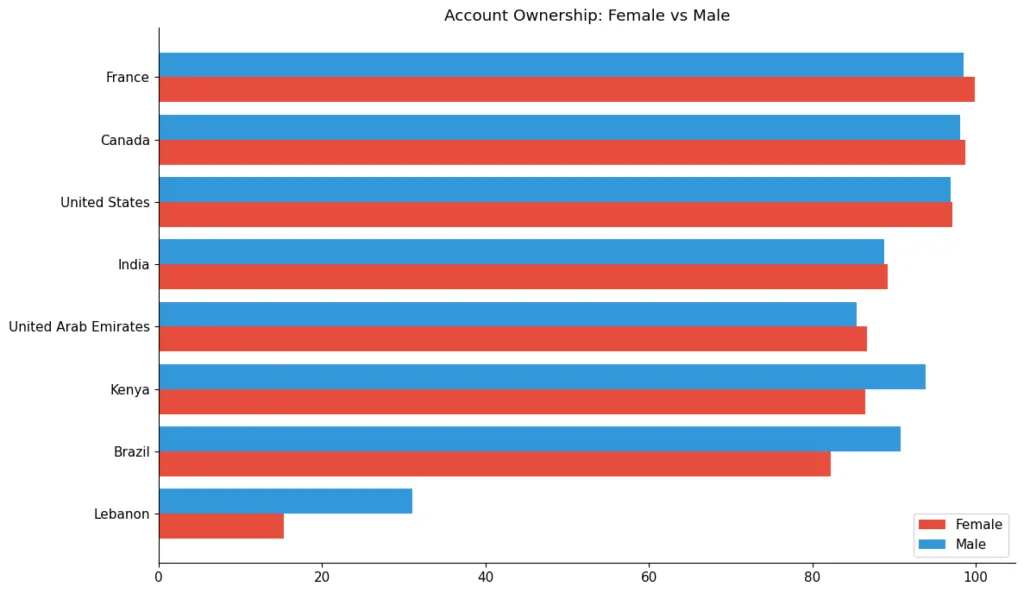
Female entrepreneurs operate their businesses in various fields which include technology and healthcare and financial services and education. The businesses which emerge from these startups develop economic advantages and fresh viewpoints which challenge established male-centric business patterns. Female entrepreneurship continues to gain momentum despite the existing disparities in venture capital access for women-led startups. The expansion of networks which support women founders together with mentorship programs and gender diversity investment initiatives will make gradual progress.
The future of women’s economic power
The increasing presence of women in financial systems will create significant changes which will define global economic development in the future. The transformation process receives support from three ongoing trends which exist today.Throughout the last several decades women have achieved substantial growth in their academic accomplishments.
More women than ever before are earning university degrees and entering fields such as finance, economics, technology, and entrepreneurship. The educational progress has prepared women to lead complex economic systems through their acquired knowledge and skills. Women’s workforce participation continues to grow in every country around the world. Women now take on executive positions in businesses and startups and financial organizations as labor markets undergo transformations.
The business and finance sectors undergo a gradual cultural transformation because of this trend. The progress of technological innovation enables investors and entrepreneurs to access their desired markets with reduced requirements for entry. The digital platforms enable users from different parts of the world to access global markets while they can generate funds and establish their businesses without facing the same institutional challenges which existed in earlier times. The societal perception of gender roles is undergoing transformation in contemporary times.
The world experiences progress toward economic equality, which brings various advantages to society, despite existing regional disparities. Women who obtain control over financial resources decide to make educational and healthcare investments while developing their communities through their financial choices. The economic empowerment of women leads to societal benefits which extend throughout entire communities. Financial freedom provides people with personal independence which acts as a force that drives economic development throughout society.
The path forward
Financial freedom serves as the fundamental requirement for women to achieve their independence. Through financial resource control women gain power to build their personal life paths and take part in all economic activities. The current time shows significant transformation because women now have better opportunities to access financial institutions and marketswhich were previously restricted to them. Women are becoming investors, entrepreneurs, financial professionals, and leaders within the global economy.
Financial literacy, digital innovation, and evolving social structures create new pathways for women to build wealth and achieve financial independence. The ongoing issues of wage differentials together with restricted capital access for both genders require organizations to keep working on solutions. Financial independence enables women to accomplish their career goals while they uplift their communities and drive worldwide economic development. The growing presence of women in financial systems will enable them to shape upcoming developments in the world economy.