



Understanding how to get a crypto wallet
A crypto wallet is a tool that allows you to store, send, and receive bitcoin. The procedure of getting one depends on the sort of wallet you choose, but all approaches revolve around creating a secure key that you control. Below you’ll find neatly split sections outlining each type.
Software wallets: The quickest way to start
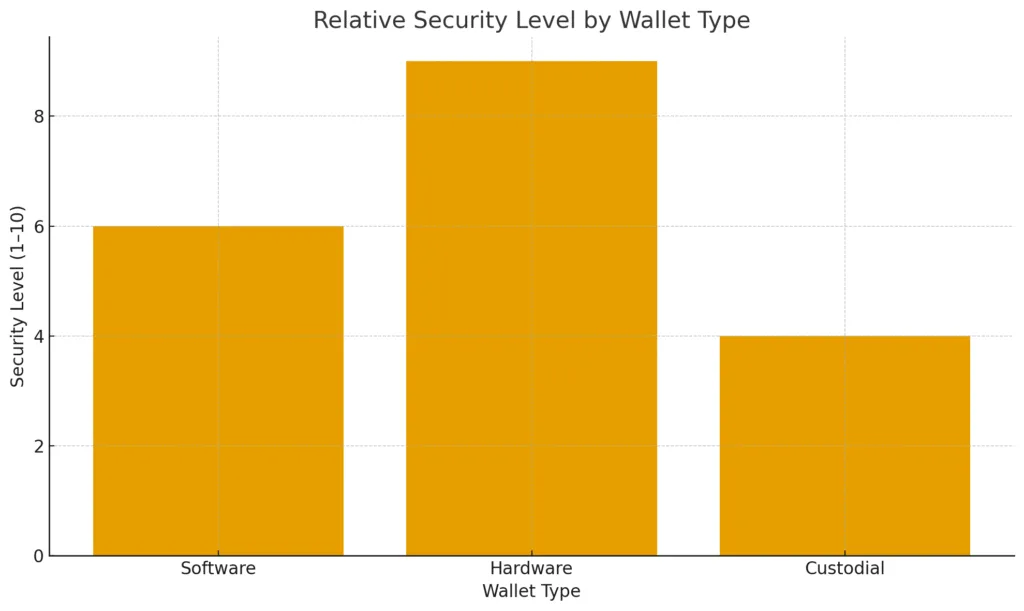
A software wallet can be downloaded as a browser extension or as a mobile application. After installation, the program creates a recovery phrase for you when you launch it and choose to establish a new wallet. The secret to security is this phrase. Since it is the only way to retrieve the wallet in the event that you lose access, it needs to be recorded and stored offline. The wallet becomes active once your phrase has been verified, allowing you to transfer and receive assets as well as engage with cryptocurrency apps.
Hardware wallets: The highest security option
Your private keys are physically stored in a hardware wallet. To get one, simply order it from the official manufacturer’s website, unbox it, connect it to your computer or phone, and set it up with the companion software. The gadget provides you with a software wallet-like recovery phrase during setup, which you need to preserve safely. Once set up, the hardware wallet isolates your keys from the internet, providing you with a far higher level of security, particularly for high-value or long-term holdings.

Custodial wallets: The simplest user experience
A custodial wallet is offered by an exchange. To receive one, you register an account with a crypto exchange, authenticate your identity, and your wallet is instantly created for you. The exchange controls the security of the private keys, meaning you never touch a recovery phrase. This makes onboarding extremely straightforward, albeit it comes with limited control since the institution retains the keys on your behalf.
Essential security practices
When you set up any non-custodial wallet, the recovery phrase becomes the foundation of your security. It should never be typed into websites, shared with anyone, or stored in cloud services, emails, or screenshot galleries. It cannot be digitally intercepted if it is kept offline. Phishing sites and fake apps are common in crypto, so downloading wallets only from official links and double-checking URLs protects you from common attacks.