



The illusion of stability
The current markets show strong operational capacity through their active trading systems which maintain consistent price intervals between buying and selling. The market experiences daily trading volumes which exceed one billion dollars through both centralized exchanges and decentralized protocols.
The modern financial markets depend on an essential contradiction which shows most market depth during times of low demand while market depth becomes inaccessible when demand reaches its peak.
Liquidity is not what you think it is
People use volume and total value locked and order book depth as liquidity indicators. The metrics provide easy access to information but they create incorrect structural representations of data. The metrics measure existence of assets but they do not test their ability to withstand market challenges.

The single criterion which defines true liquidity requires traders to execute substantial trades without creating significant price impact. The definition of this term reveals the main problem which most market dashboards face. The market displays constant information while the actual liquidity situation changes continuously.
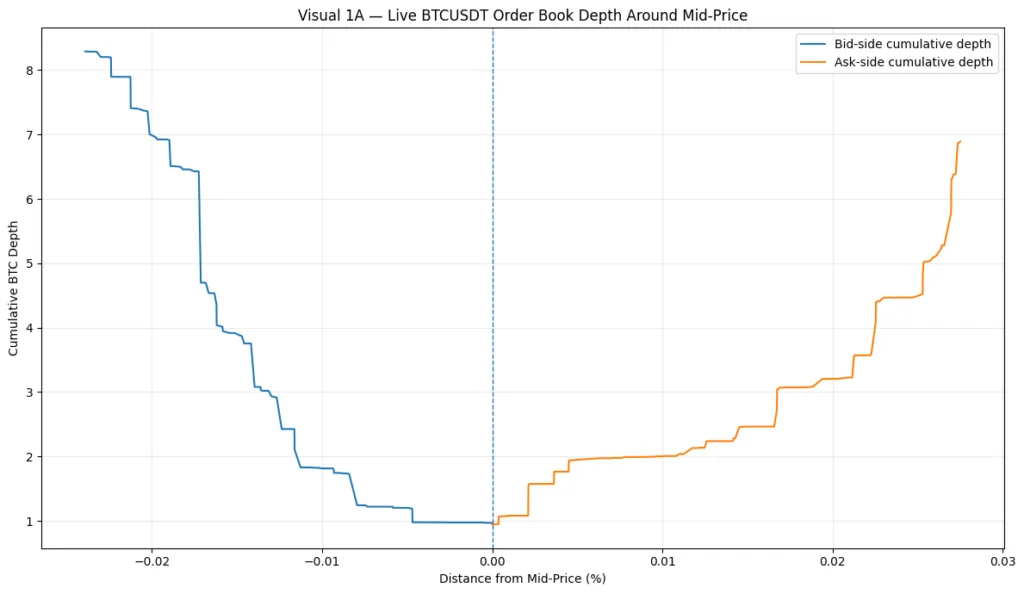
The current liquidity situation depends on three factors which include market volatility and trader positioning and liquidity provider incentives. The displayed information demonstrates a complete divergence from the actual system capabilities. The displayed liquidity shows what traders want to do in the market. The liquidity which traders choose to use shows their actual market intentions.
The present market environment leads to weak financial backing between multiple parties. The majority of market activity takes place through automated systems which execute trades based on preset conditions. The system operates to deliver standard market quotes but it will completely stop operations during emergency situations. The system becomes most dangerous at the time when it should deliver its most crucial functions.
The rise of conditional liquidity
The current state of liquidity provision has undergone a complete operational transformation. Human market makers who used to take on trading risks have been replaced by modern systems which now handle market operations through precise algorithmic trading strategies. The system operates through automated trading systems that utilize advanced algorithms for optimal trading performance which handles market demands and preserves financial assets.
The system operates through its core design which protects its financial resources. All three components of their systems show predictable behavior when market conditions reach higher levels of volatility. The market system includes a powerful mechanism which creates an automatic response to market changes.
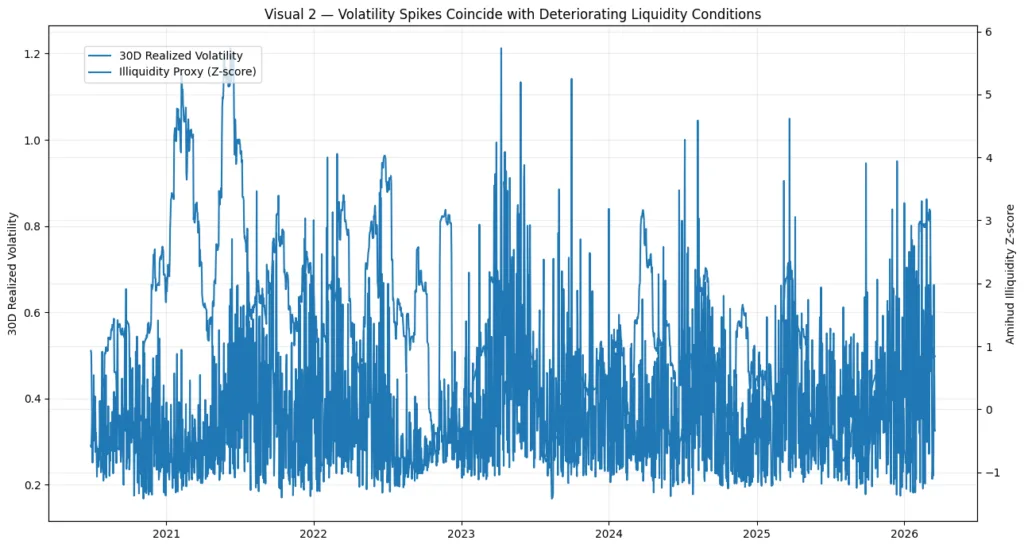
The market experiences two impacts from volatility which creates uncertainty and leads to a complete loss of market liquidity. When price movements start, liquidity providers stop their activities. The withdrawal of liquidity providers results in more significant price effects. The rise in price effects leads to an increase in market volatility.
A feedback loop establishes a connection between market liquidity and market stability which leads to mutual decline of both elements. The system operates through a self-perpetuating loop. A market that appears to be liquid actually exists through a delicate balance which depends on traders believing that market volatility will remain at minimum levels.
Crypto market structure: Amplifying fragility
The phenomenon exists in every asset class but shows stronger effects in the crypto market. Crypto markets experience excessive liquidity problems because their multiple structural elements create weakened market stability. The market operates with fragmented liquidity which becomes accessible through three different trading platforms. Market participants need to access their orders through multiple platforms because there is no single consolidated order book system.
The trading market operates under two main systems which control all trading activities. The perpetual futures market represents a major part of trading volume which creates hidden structural vulnerabilities throughout the system. The market forces traders to close their leveraged positions when price changes occur. The market requires automatic execution of liquidations because traders cannot choose when to liquidate their positions.
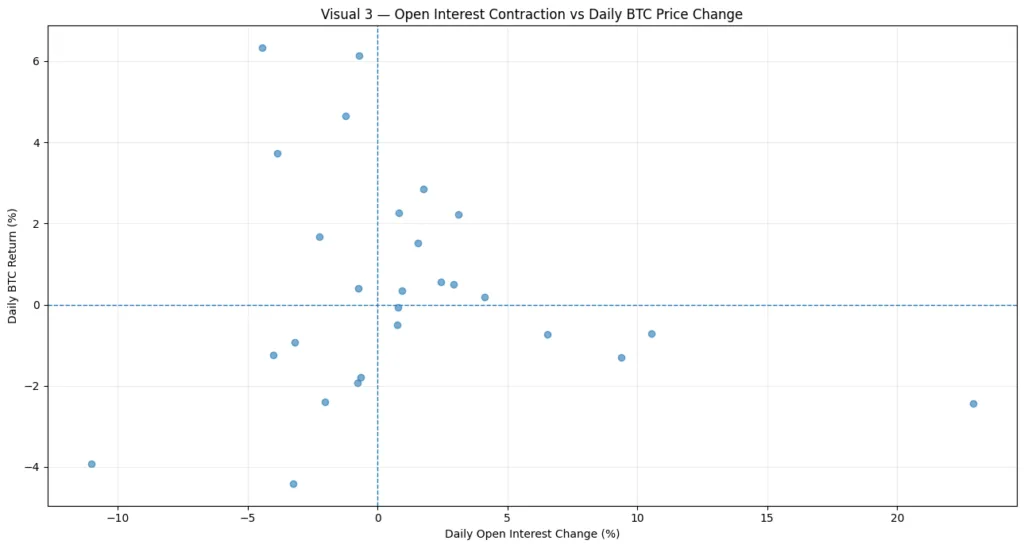
Available market liquidity gets used up through market orders which traders use to execute their trades. Automated market makers create a system that reduces liquidity in decentralized finance. Liquidity providers (LPs) face the risk of impermanent loss while maintaining the right to withdraw their funds whenever they choose. The market experiences capital withdrawals at the time when it needs resources the most during periods of high volatility.
The market experience shallow and unstable liquidity conditions. The structural weaknesses of the system begin to accumulate when stress conditions occur. The existing system of fragmentation establishes barriers that limit effective flow absorption. The use of leverage leads to increased market volatility which results in required asset liquidation.LP withdrawal reduces available depth.Liquidity does not degrade it collapses.
The convexity of slippage
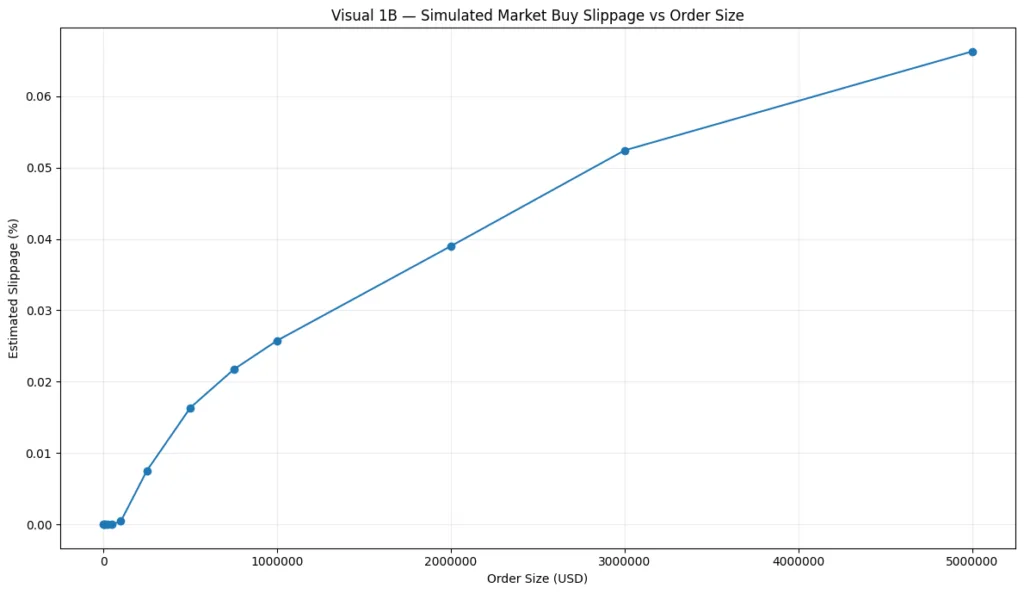
People tend to misunderstand how slippage functions because they see it as a basic measurement. Slippage shows non-linear behavior which results in a convex shape. The market allows users to make small trades without affecting prices. Price impact increases at an accelerated rate when traders conduct larger trades. Price movement starts to accelerate after the market reaches its critical point. This phenomenon demonstrates how order book systems operate.
Traders can find the most liquid market at the price point between buying and selling. Traders use up available liquidity which forces them to move through the order book until they reach its least active sections. The situation creates a highly risky false perception for people.
Small transactions create an impression of market stability which disappears when people attempt larger transactions. The market allows traders to enter positions with ease but these positions become extremely problematic when they need to exit. Liquidity risk exists because this situation shows all of its fundamental elements.
When liquidity breaks
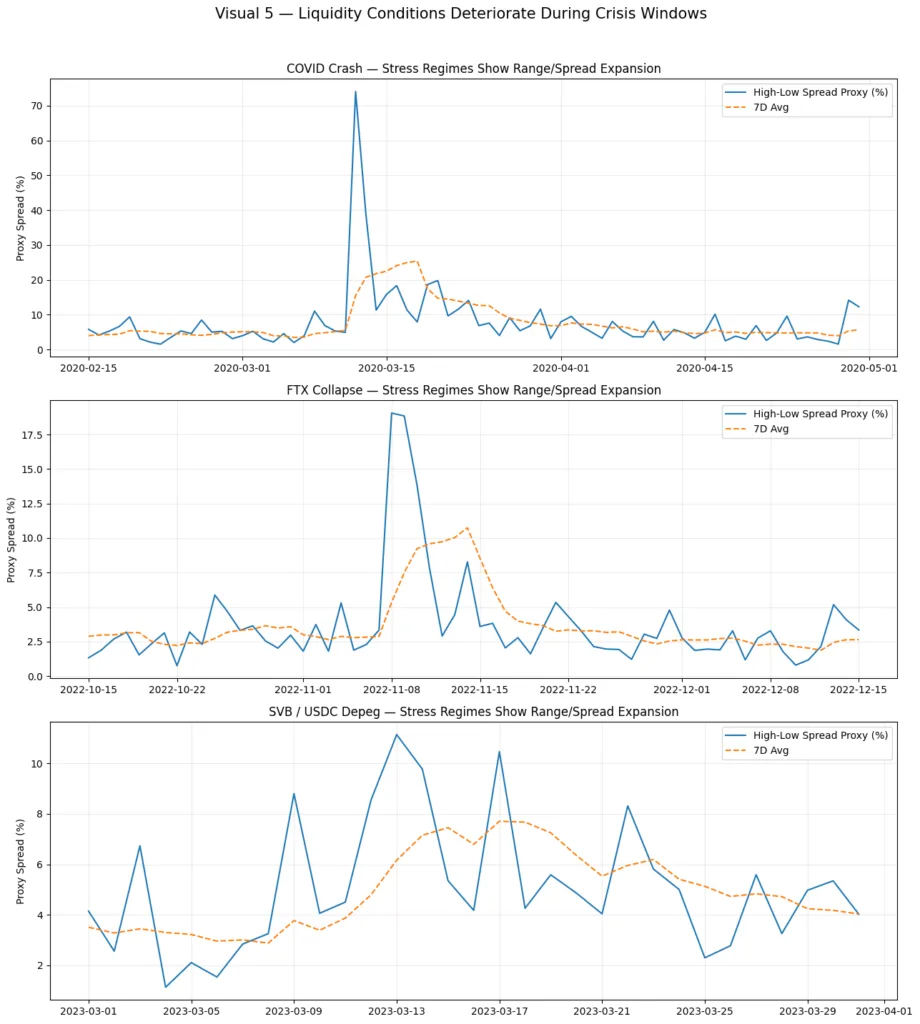
The historical record shows multiple cases of liquidity breakdown which affected both traditional financial markets and cryptocurrency markets. The COVID crash in March 2020 showed that even the most liquid financial market in the world which handles U.S. Treasury securities faced severe market disruptions. The market experienced a total collapse because buyers vanished and bid-ask spreads expanded throughout the market.
Market makers in the crypto industry stopped providing liquidity to the market after FTX crashed. The market for altcoins experienced price gaps when order books became less active and bid-ask spreads began to widen. Depegging of stablecoins works as a second example. The system failed to provide enough liquidity which led to price instability during periods of market stress despite the presence of large capital reserves and high total value locked (TVL) numbers.
The same pattern appears throughout all these incidents. Liquidity providers choose to protect their business operations instead of making deals with the market. The market faces its highest demand when traders decide to cut their risk exposure.
Implications: The hidden risk variable
People do not properly evaluate liquidity risk because they always underestimate its extent. Execution process holds greater significance for traders than their ability to predict market trends. A correct market view can still result in losses if positions cannot be exited efficiently.For funds traditional risk models demonstrate their fundamental weaknesses.
Market impact and liquidity withdrawal both remain unaccounted by Value-at-Risk measurement. The study demonstrates that DeFi protocols should not depend on TVL as their primary strength assessment method. Instant capital withdrawal capability does not create reliable stable liquidity. All participants experience identical effects from the situation. Extreme drawdowns usually occur because liquidity remains undiscovered as the main factor.
The future of liquidity
Market structure improvements continue to be developed through active research. The integration of intent-based execution systems with batch auction systems and RFQ models seeks to achieve two objectives which include reducing slippage and enhancing price discovery. The on-chain order book system tries to achieve the same liquidity efficiency that centralized systems provide.
The new methods enhance execution performance during standard operational times. Fundamental operational limits which define this system boundary remain intact. Liquidity does not exist as a structural component of systems. People need to understand the world through which their temporary existence will appear to them. People will take steps to protect their resources during times when they perceive danger. No system can force participants to take risk when they do not want to.