



The illusion of global liquidity
The markets maintained the belief that all financial assets shared a single pool of liquid assets. Financial institutions allowed their funds to move between different countries and investment types and different levels of financial risk which resulted in an integrated system that maintained perpetual international operations. The current system is collapsing into pieces. The current market situation has created multiple liquidity markets instead of a single global market.
Financial assets face increasing obstacles which prevent their movement across different areas which include both governmental policies and financial system regulations. The system presents two different states of liquidity which show themselves through one area that displays sufficient liquid assets and another area that experiences operational difficulties and asset shortages and financial system breakdown. The changes from this process affect crypto markets. The platform functions as the primary location where users can notice the problems which cause their liquidity resources to become divided.
How fragmentation actually works
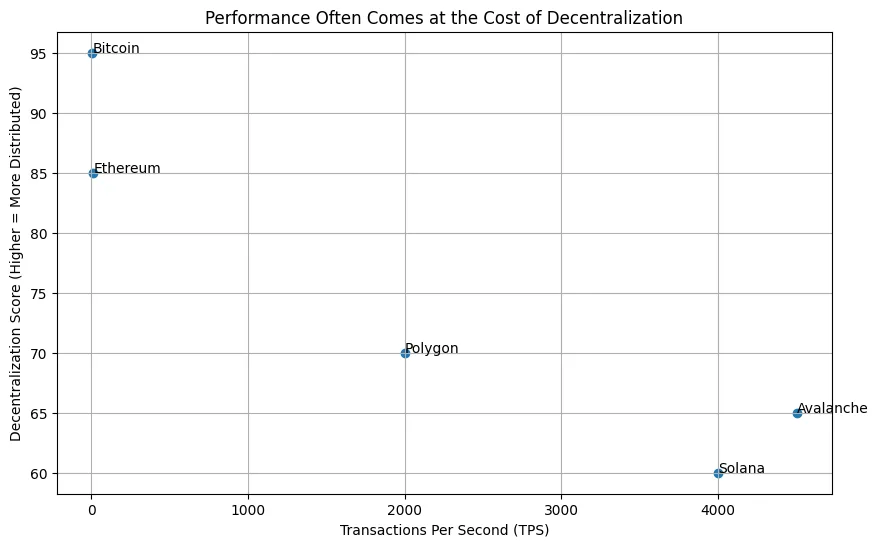
The process of fragmentation starts when people lose their ability to access something. The central banks of different countries now operate without any coordination between their monetary policies. The United States, European countries, Asian nations, and emerging markets have developed different approaches to their rate paths, balance sheet methods, and fiscal policies. The process of capital allocation now rests more on local factors than on global considerations.

The presence of distributed but excessive liquidity causes markets to operate as separate entities instead of one unified system. The strength of relationships between different assets decreases. The speed at which information spreads through the system experiences a decrease. Financial assets that carry risk move independently based on the paths through which liquidity is permitted to travel. The situation does not represent a liquidity collapse. The situation represents a change in liquidity pathways.
Why crypto feels it before traditional markets
The cryptocurrency system functions without any geographic boundaries which serve as operational barriers. The system lacks both national liquidity protection measures and capital restraint mechanisms and geographical circuit breaker systems. The price of assets increases when capital enters the market.
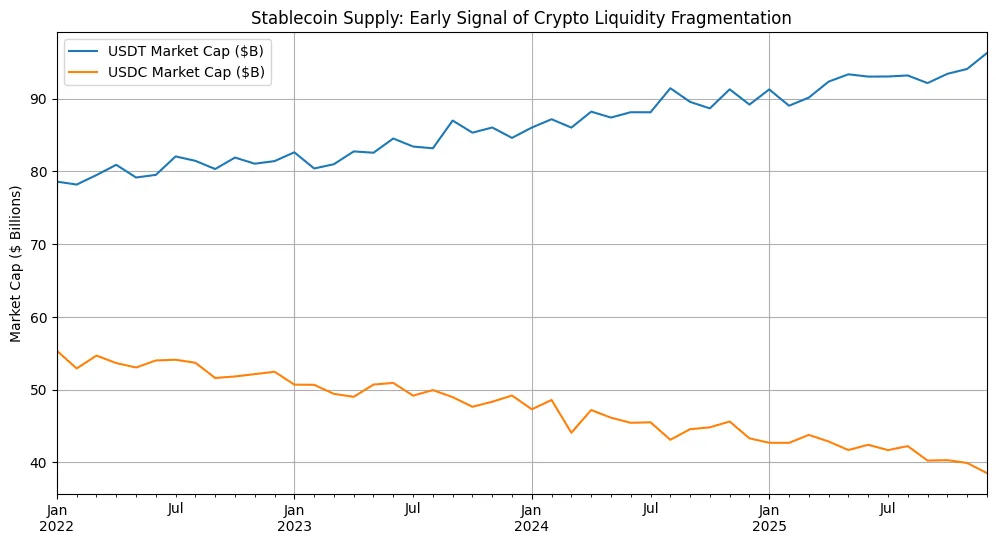
Crypto markets experience sudden price changes because of liquidity breaks which prevent normal market movements. Stablecoin issuance slows before bank credit tightens. On-chain volumes contract before equity liquidity dries up. The perpetual funding system becomes defensive at the moment when macroeconomic stress indicators reach their breaking point. Crypto systems respond to market events first because they lack protection systems, which makes them vulnerable to danger.
Fragmentation vs. volatility
Traders incorrectly perceive this environment to demonstrate either low volatility or range-bound market conditions. The situation requires assessment as a liquidity mismatch problem. Price compressionoccurs because investors use cautious selective investment methods which restrict their capital allocation to specific areas.
Trading breaks to new price levels fail because the required market support for these movements does not exist. Market volatility increases through unified liquidity while liquidity fragmentation creates event-driven volatility which produces intense short-duration price movements. The current state of cryptocurrency markets exists in their second trading period.
The structural risk going forward
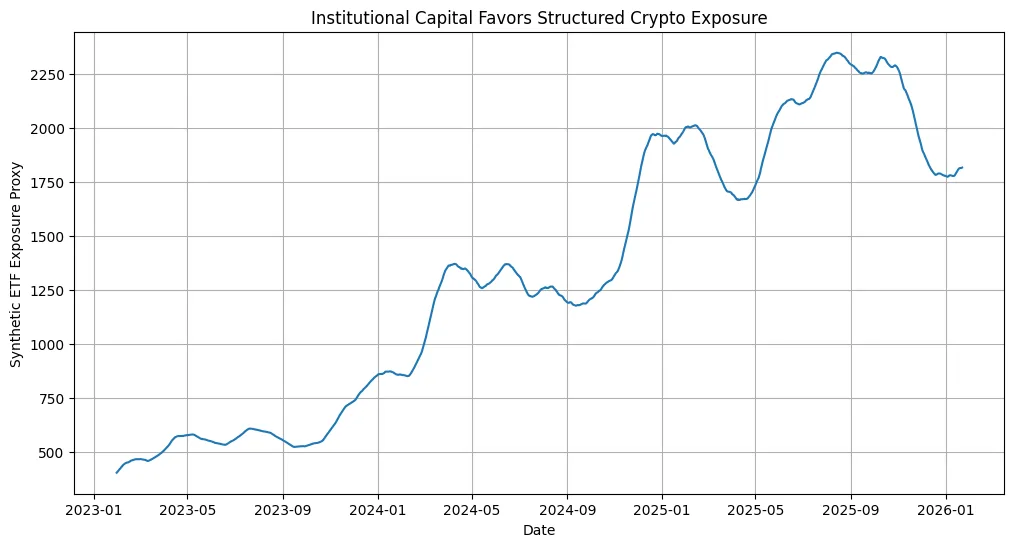
The actual danger of the system arises through desynchronization instead of a potential system crash. The process of price discovery becomes more difficult because liquidity pools start to operate as separate entities. The movement of assets occurs because investors use their available capital according to the particular market segment they choose. The system now has a higher chance of experiencing sudden market disruptions when two market segments start to operate together again.
Crypto markets display this pattern through sudden price increases which they follow with quick price drops and long stretches without price changes. The process of fragmentation creates a state of peace which eventually transforms into chaos.
What this means for positioning
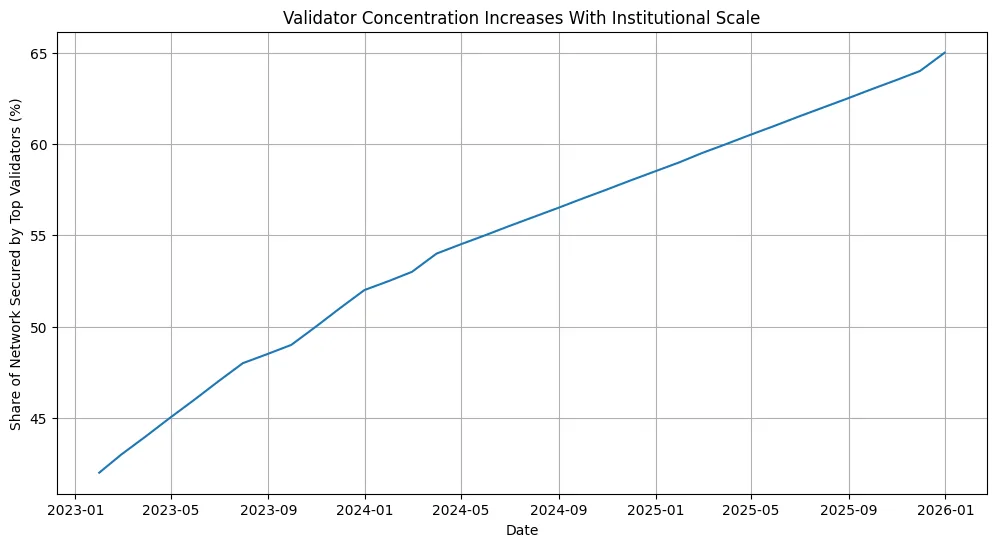
People who practice patience achieve better results than those who choose to act aggressively during periods of broken market liquidity. The system does not succeed when it attempts to follow market trends. The system operates through mean reversion as its main method of operation. Capital preservation now functions as a strategic approach rather than a security measure.
The next major growth period for cryptocurrency will start with changes in market conditions and investor sentiment. The process will start when there is a return of liquidity across different financial instruments which include interest rates and balance sheet assets and investor risk preferences. The cryptocurrency market serves as the initial detection system for potential problems.