



Crypto no longer trades in isolation.
What used to be affected primarily by internal narratives like halving cycles, protocol improvements, and speculative flows has now become more and more influenced by the same macroeconomic factors that are responsible for the global financial markets. Now, the prints of inflation, the rhetoric of central banks, the movements in Treasury yields, the volatility in equities, and the risk sentiment across assets have a measurable and persistent impact on the pricing of digital assets. The crypto market has matured into a liquidity-sensitive and policy-reactive ecosystem. Bitcoin has started to act less like a mere technology asset with a low market-pull and more like a high-beta macro instrument. Ethereum, stablecoins, and even some altcoins have become responsive to changes in real yields, dollar strength, and overall financial conditions.
Still, the majority of investors are interpreting crypto mostly through non-interrelated metrics like on-chain flows, ETF data, or technical structures. What has not been available yet is a synchronized system that links macroeconomic signals with the crypto market’s behavior in real-time. This is where the Macro-Crypto Cross-Asset Indicator System comes into play. It is not a trading tactic. It is a fundamental framework that has been developed to convert the signals originating from the global financial markets into crypto market intelligence that is actionable.
The macro regime now sets the crypto regime
In the case of traditional financial markets, the macroenvironment has always been the major determinant of asset pricing. Risky investments are supported and gain strength in an environment with high liquidity, low real yields, and loose monetary policy. Conversely, they are weak and hard-pressed to survive in a scenario of rising inflation, tightening financial conditions, and investors flocking to safety. Cryptocurrency has now fully accepted to live by these regimes rules.

When inflation figures beat the market’s expectations on the downside, Bitcoin price is lifted together with stock prices. When there is a rise in Treasury yields, speculative investments in cryptocurrencies are reduced. A weaker dollar means better conditions for the crypto market. In times of lower risk appetite, alternative coins (altcoins) lag behind in performance. The cryptocurrency exchange has become a part of the global liquidity flow and is no longer an exclusive source of volatility. This transformation demands the ability to predict or explain macroeconomic events as effective for crypto asset valuation.
Cross-asset signals as market architecture
Current expectations in monetary policy have an impact on the liquidity of cryptocurrencies through the dynamics of real rates. Lower real yields stimulate the use of leverage, taking on of risk, and rotation of capital into digital assets. On the other hand, higher real yields do the opposite by reducing speculative activities and the amount of money coming into cryptocurrencies. Inflation and growth data have the biggest impact on bond markets first, followed by equity markets, and then almost immediately on crypto markets. Crypto has turned into an asset that reacts like a front-runner, absorbing macro surprises faster than most of the traditional instruments. The strength of the dollar has become a global liquidity valve now. When the dollar gets stronger, global risk capital tightens, and crypto has to face less. On the other hand, when the dollar weakens, crypto gets an advantage from the better cross-border liquidity conditions. Volatility in the equity market is more and more transferred directly to the volatility in crypto.
During stress regimes, crypto acts less like a diversification hedge and more like a risk amplifier. The financial stress indicators like funding rates, credit spreads, and money-market conditions are gradually dominating the crypto leverage cycles. Liquidity being available is no more an abstract notion. It is the foremost element that shapes the crypto market structure. These forces, in concert, delineate the macro regime that rules the crypto behavior.
How macro signals translate into crypto behavior
The link between macro inputs and crypto outputs has now become predictable.In times of easing financial conditions, falling real yields, and a weakening dollar, crypto is going through its accumulation and expansion phases. Bitcoin is getting consolidated, Ethereum is gaining, and funds are moving from the latter to higher-beta assets. When the policy becomes tighter, yields go up, and the risk appetite of market participants declines, the liquidity of crypto gets reduced.
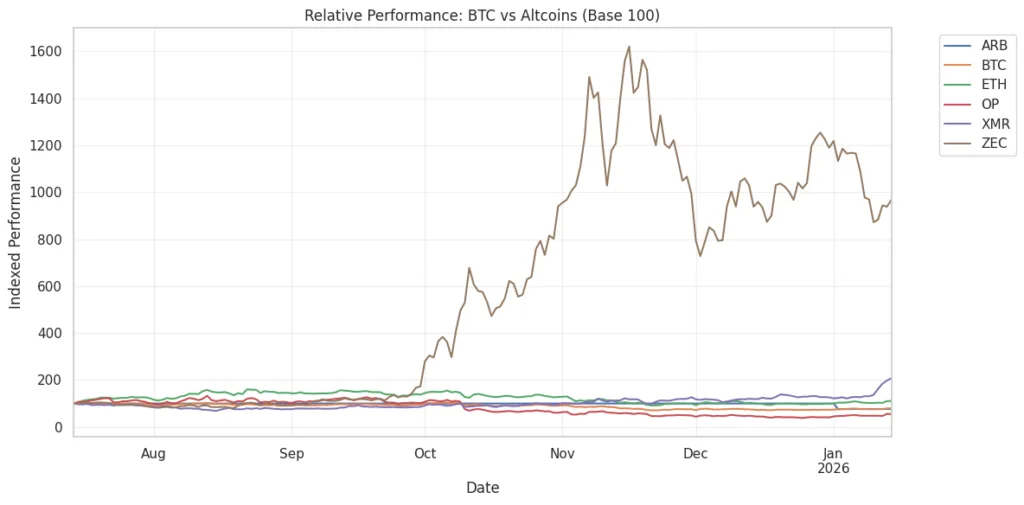
The process of unwinding leverage takes place, there is a sudden increase in volatility, and the performance of altcoins is poor compared to that of the main coins. The market does not pass anymore through random cycles but through identifiable structural regimes. Crypto has changed its behavior and no longer follows just the internal narratives but also the system-wide financial conditions. This development transforms the requirement of macro awareness from an optional overlay to a prerequisite for crypto analysis.
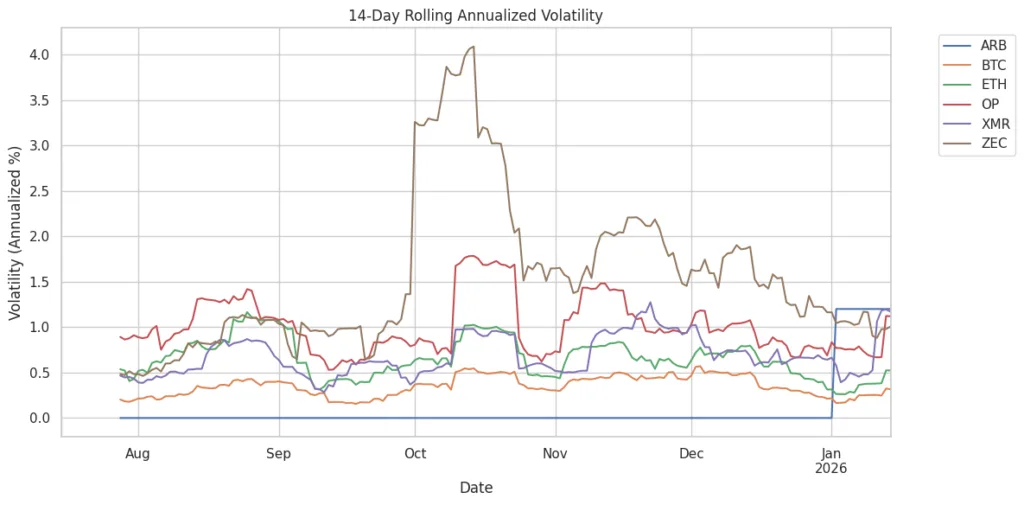
Why crypto now trades like a macro asset
The increasing correlation of Bitcoin with the traditional markets is not a mere accident. It indicates that Bitcoin has been structurally integrated into the global capital flows. The interest of institutions and their participation has made the business world notice the cycles of allocation driven by the macro factors. The ETFs and the custody infrastructure have connected the crypto world to the rebalancing behavior of portfolios.
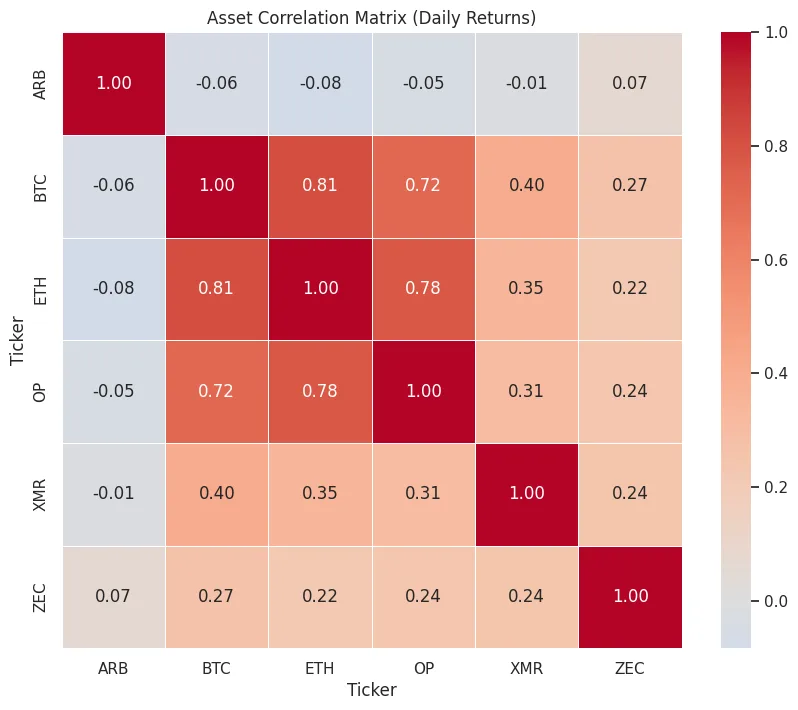
The global liquidity actually sets the risk allocation across all asset classes at the same time. The crypto market has turned into a liquidity receiver. This, however, does not nullify the long-term thesis ofcrypto, rather it enhances its position as a financial asset. Thus, crypto has been transformed from a mere speculative market to the one that is defined by capital conditions.
The indicator system in practice
A Macro-Crypto Cross-Asset Indicator System works like a real-time synthesis engine. It transforms macroeconomic data, rate expectations, yield curves, currency trends, equity volatility, and liquidity metrics into a single regime framework.Investors do not react to price movements but rather to the changes in the structure. Instead of guessing the direction, they measure the financial conditions.The system does not provide approximate price levels. It points out the area where the prices develop.This changes crypto strategy from speculative guessing under the radar to macro-aligned positioning.
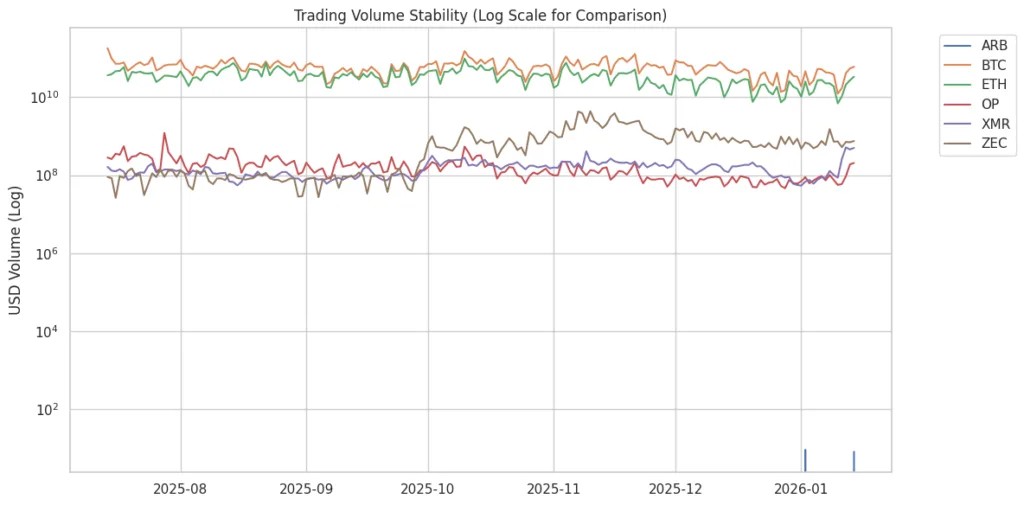
Case Study: Policy shifts and crypto reaction
Surprising inflation reports that come in lower than expected lead to a decline in bond yields. This in turn, enhances the liquidity conditions. Risk assets, therefore, rally. Along with them, Bitcoin and Ethereum do the same.Following the central banks’ announcement of a restrictive policy, yields go up. Liquidity becomes tighter.
There is an increase in volatility in equities. Crypto leverage is reduced.These chains of cause and effect are not just theoretical anymore. They are visible, quantifiable, and more or less predictable.Crypto has turned into a macro instrument.
Implications for traders, funds, and platforms
The system gives context to traders. It enhances risk distribution for funds. It allows for more intelligent analytics for platforms. The awareness of the macroeconomic environment is no longer a choice. It is the cornerstone of the cryptocurrency strategy.
The future: Crypto as a global liquidity barometer
Cryptocurrency is maturing into an instantaneous mirror of the worldwide financial situation. It is quicker in reaction than stocks. It absorbs the changes in liquidity right away. It shows the macro sentiment stronger with the help of leverage. This is the reason it is considered not only an asset class but also a signal system. The Macro-Crypto Cross-Asset Indicator System has made this reality official. It changes noise to structure, volatility to insight, and macro complexity to actionable intelligence.