



Macro signal: Why this jobs report matters
The new U.S. employment report did not surprise the financial markets with either a slump or a boom, but that was the very reason why it was significant. The number of employees on the payrolls kept on increasing but at a slower rate, the wage pressures gradually reduced somewhat, and the labor force participation rate remained stable. All these together helped to form a macroeconomic scenario in which the economy was slowing down gradually but not breaking, the inflationary pressures were not rising any more, and the monetary policy was not becoming any more restrictive.
The macro markets would interpret such data as the risk of recession being pushed further away and the normalization of the interest rate path being pointed out. In the case of crypto, it simply and gradually adjusts the discount rate that is applied to the future liquidity to come up with a new price.
Rates transmission: From labor data to capital costs
Job statistics serve as a direct input into the rate expectations, as the central banks are allowed to take situation as not so urgent if the employment is stable. The bond market treated the data as a sign that the highest restrictions are left behind, notwithstanding that cuts are postponed. Instead of sinking, yields over long periods of time preferred to decrease which flattened the future volatility profile.

This is important as crypto does not respond to the cuts per tie it responds to the clarity that the costs of capital will not increase anymore. The release of the labor market data diminished the likelihood of the scenario of sticking to high rates for a longer period becoming the opposite of cutting rates sooner. The latter, however, has a subtle implication of the reopening of risk acceptance in international portfolios.
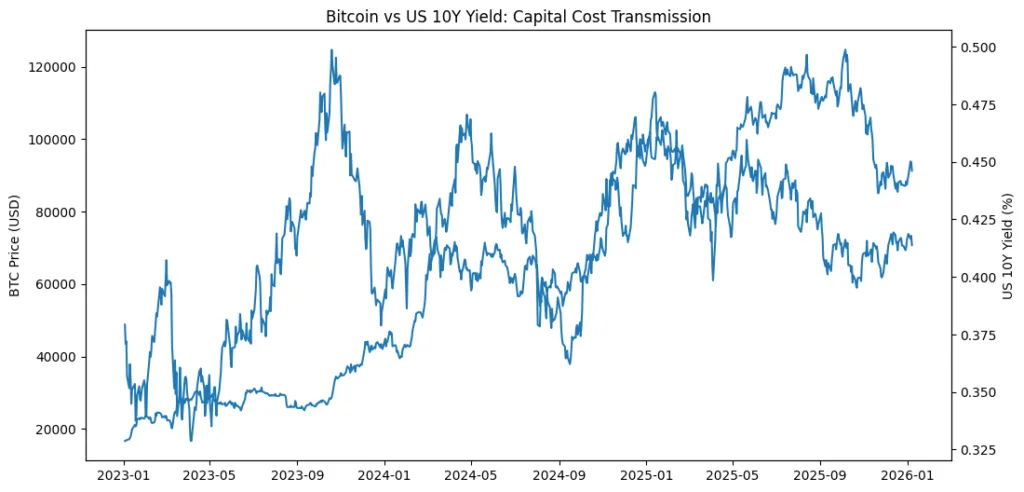
Liquidity repricing: Why crypto responds before equities
Crypto is structurally forward-looking as it does not take into account stability of earnings but rather prices liquidity expectations. While equities are waiting for earnings revisions, crypto reacts to the changes in monetary optionality.
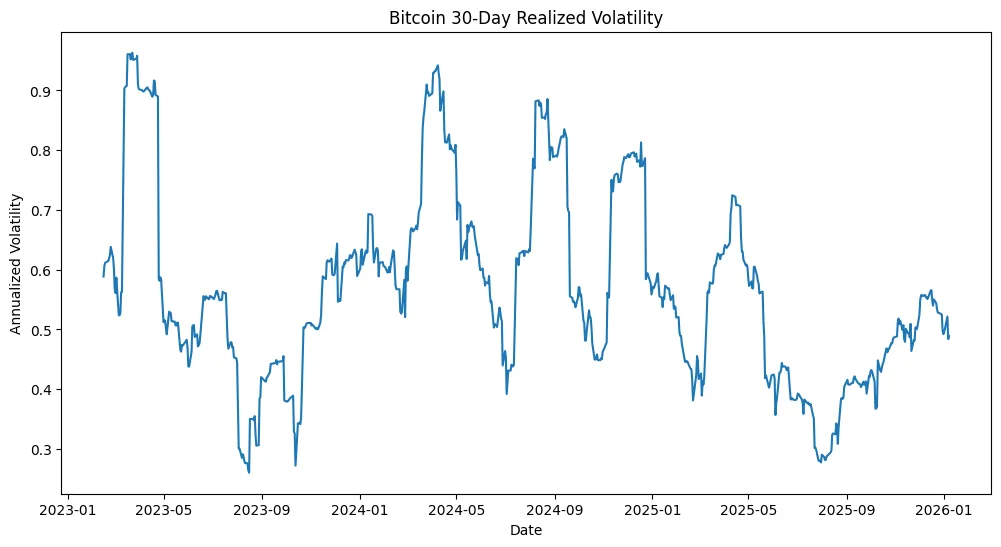
The post-report situation indicated that liquidity would be limited but predictable, which is the best situation for large-cap crypto assets. Predictability decreases volatility premia, narrows spreads, and attracts again those capital allocators who had stayed out during the uncertainty of policy. This is the reason Bitcoin responds to labor data even if the headline numbers seem neutral.
BTC structure: The $90K level as a market referendum
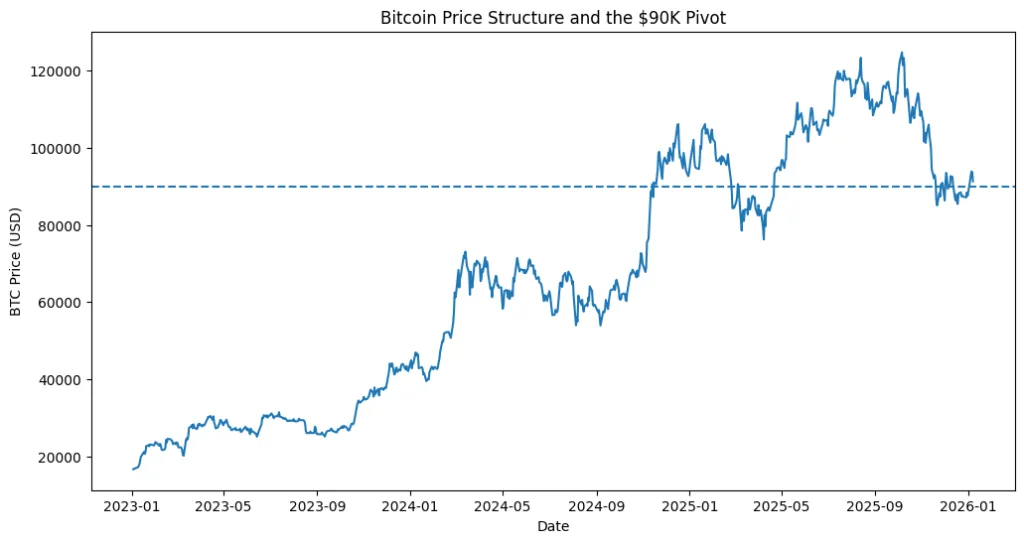
The price action of Bitcoin at the $90,000 level is not simply a matter of psychology with round numbers but rather a confirmation of the regime. The price staying above this threshold indicates the market’s readiness to work within a higher valuation band at a normalized interest rate.
Conversely, the loss of support at this level would indicate that the market still needs more macroeconomic confirmation before it can safely reallocate the risk duration. The employment report did not act as a price mover but rather as a volatility controller that permitted BTC to consolidate instead of getting very aggressive in its expansion. Such consolidation is structurally positive as it seems to be a case of absorption rather than exhaustion.
Positioning & flow: What the market is quietly doing
Leverage expansion was not the reaction in derivatives markets, while spot flows were still tumultuous. The market is hence confirming that the $90K pivot is being negotiated through balance sheet positioning, not speculative momentum. Funding rates remained controlled, implying that the market participants are arranging themselves for the trend to continue rather than to take the risk of a breakout. In macro terms, it reflects a market moving from rate shock to rate digestion.
Cross-asset context: Why this is not a risk-on frenzy
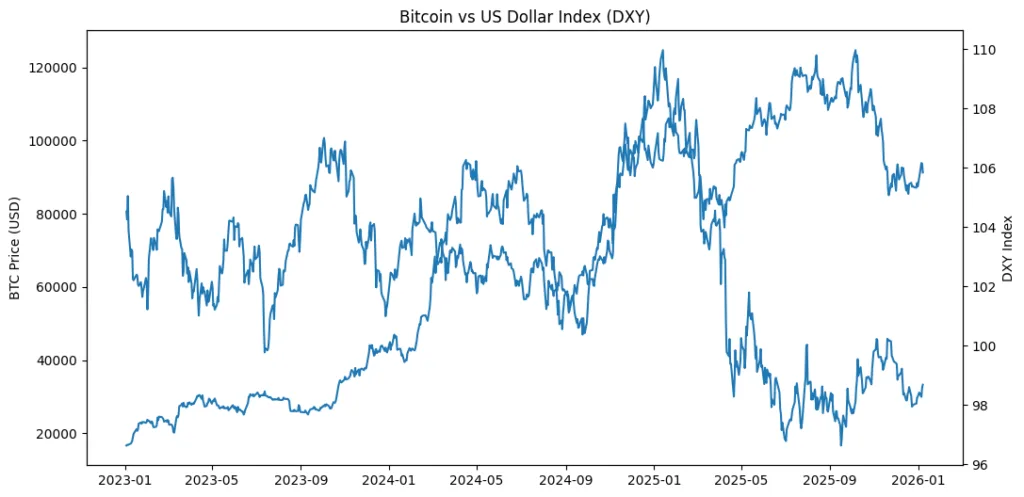
In comparison to past cycles, when jobs data prompted a very aggressive buying of risky assets, the current situation is a sign of a more developed and sophisticated interaction between the macroeconomic factors and the cryptocurrency market. Gold stayed strong, interest rates did not change much, and stocks did not experience any drastic movements in the wake of the news.
The position of Bitcoin in this scenario indicates that the market is gradually viewing it as a macro-liquidity tool rather than a mere speculative investment. The lack of sharp jumps in correlation justifies the claim that this is a new pricing of the assets rather than their quick reaction to the news.
What happens next: Confirmation over acceleration
The next step is less related to further jobs data and more to stability. In case the employment statistics keep reporting slow cooling without any pressure, the price floor for Bitcoin increases gradually even without high-demand driving it up. The $90K mark is less of a target and more of a reference for the future decrease in volatility.
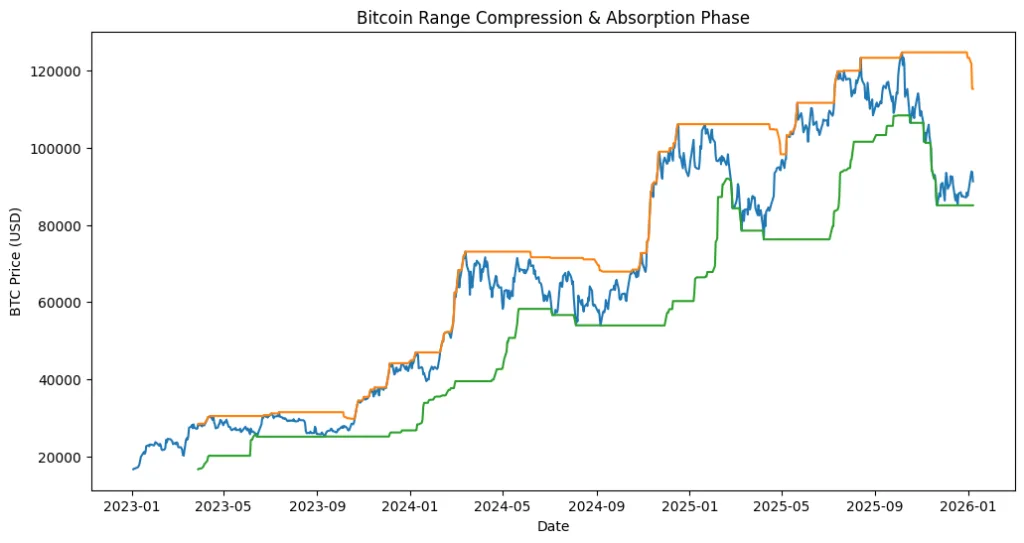
A breakthrough into the higher price levels would either need the return of liquidity growth or a definite sign that rate normalization is speeding up, but the risk of falling prices is still low structurally if the macroeconomic uncertainty keeps on decreasing.