




From conviction to calculation
For a considerable part of its history, crypto has been a faith-driven market. Stories were more important than figures, perseverance sometimes took over instead of discipline, and price movements were often seen through the lens of ideologies rather than the technicalities of market structures. In such a situation, success was apparent, emotional, and oftentimes fleeting. But gradually, markets change and one of the aspects left behind is the emotional aspect.
And one could say that the growth of the crypto has made it less romantic and more institutional. The phase of developing a probabilistic system where edges are small, risk is high, and process is more important than prediction is coming up. The change is taking place in the capital’s attitude towards the technology but not in the technology itself. The transition to a systems-based market rather than a story-telling one has been a quiet one.
The slow exit of emotional pricing
From the outset, the cryptocurrency market was built with inefficiency features. The situation was so that the price could rise or fall considerably, thus rewarding the quick and the daring, but not the patient, or those in it for the long term. Moreover, storytelling had the upper hand in such a market.

Headlines were the drivers of the market, and the communities were the ones that multiplied the momentum and speculation was the one that flourished. However, as the market got more liquid and professional investors started to come in, these inefficiencies started to disappear. The large markets do not wipe out the chances, they just become less forgiving.
Why most price action means less than it appears
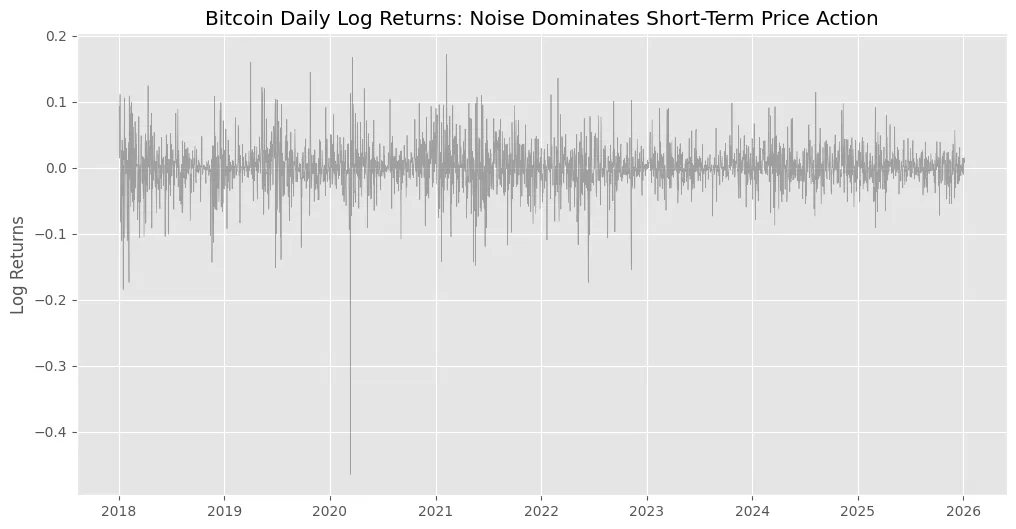
The most difficult lesson to grasp for market players is that the majority of short-term price fluctuations do not carry any practical information. The noise in returns is loud, the decline of patterns is rapid, and the signs that were seemed to be there, vanish when transaction costs along with risk are considered. Cryptocurrencies traders constantly look for interpretation in each candle.
The frameworks of institutional traders consider randomness as the initial hypothesis and then require the presence of statistical persistence to give significance. The question is not anymore why the price has moved, but whether the performance has been repeated often enough to warrant an exposure. This change in thinking is what separates speculation from strategy.
Signals replace beliefs
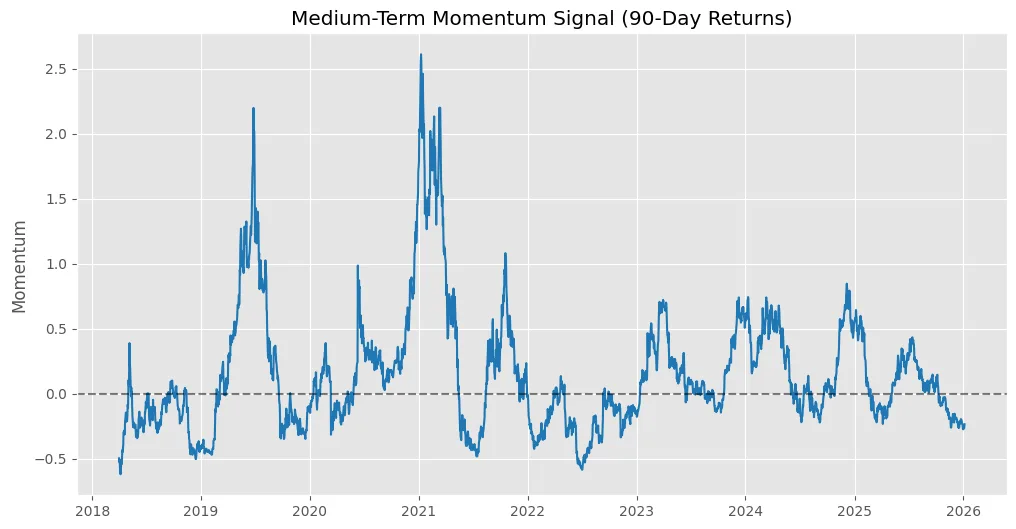
As the crypto market becomes more professional, the debate over which is the better way to go, belief-driven or signal-driven, is coming to an end, and eventually, the latter will take over. The features of the market such as momentum, volatility regimes, shifts in correlation, liquidity conditions, and drawdown behavior will be more relevant while the factors like narratives or ideologies will lose their power.
It is no longer possible to consider an opinion as strong without a corresponding risk management strategy. A basic and easily repeatable signal with a limited downside is usually considered an edge. This explains the growing trend of systematic approaches over discretionary ones in the financial market. They do not depend on confidence or interpretation but rather on execution which is the very basis of a market as emotionally charged as crypto, the consistency thus compounded.
Volatility is not risk mismanagement is
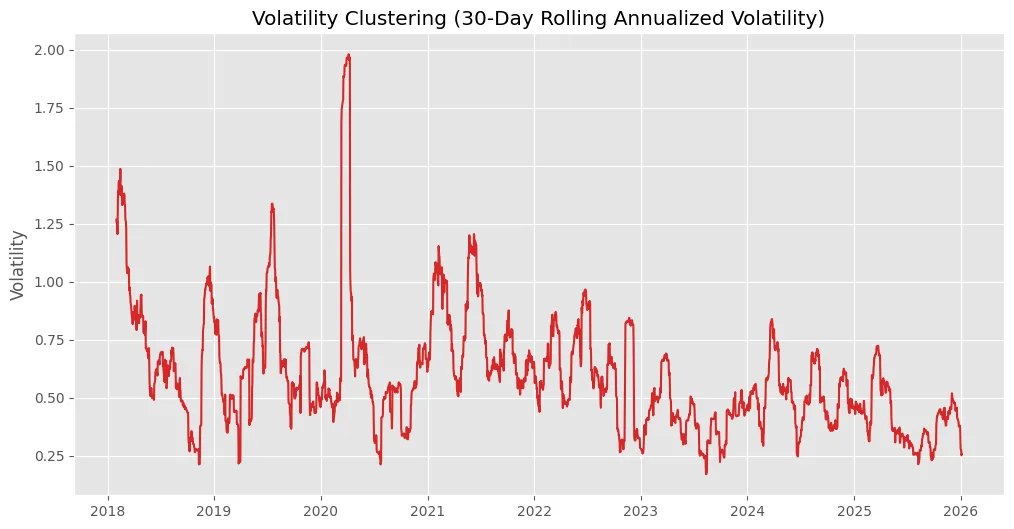
Crypto’s volatility is still considered the most misunderstood feature by many. Volatility is not a bad thing by nature; it is just a price change. Risk arises when volatility is combined with leverage, large positions, or unclear exits. Professional money does not shy away from volatile markets. It simply creates ways to live with them.
Making it through the market is the first goal because only those strategies that do not lead to extinction will have the chance to grow through compounding. As cryptocurrencies are gradually accepted into the portfolios of institutional investors, such a mindset is already a necessity.
Why crypto favors systematic capital
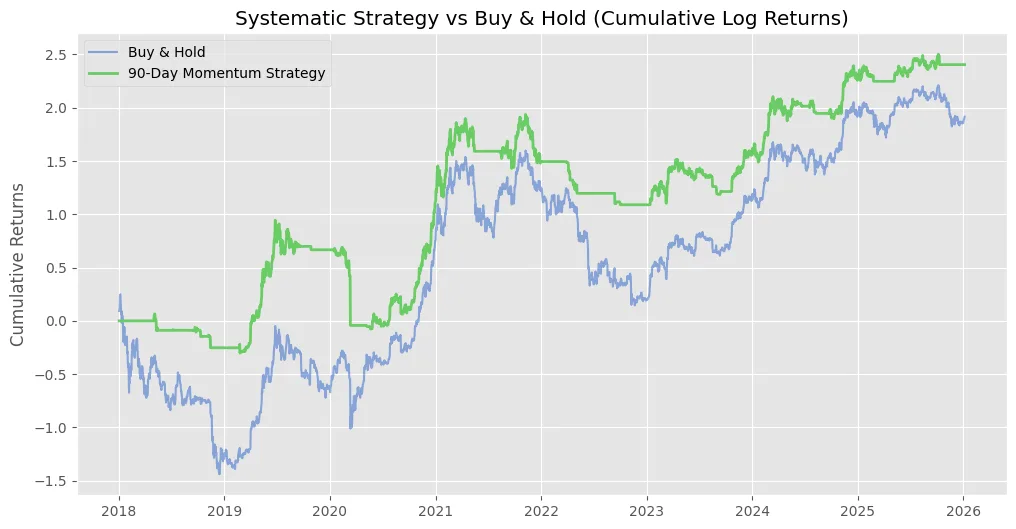
The ultimate trader has been perfected-infinitely diverse, able to execute an enormous number of trades per second, and to see the whole market without its frictions with the lightest of touches. Crypto is making the world of finance swing the premise of no earnings calls to interpret, no delayed disclosures, and less accounting distortions. From a systematic point of view, this is not chaos. It is clarity.
The same statistical principles that operate in the traditional financial markets are now applied to digital assets but through disciplined process design, risk normalization, and repeatability instead of hype-driven automation. The crypto trading allure of overwhelming noise will eventually die out.
Capital has already adjusted
Institutional allocators entering crypto today are not chasing narratives. They are assessing behavior. How does crypto perform across regimes? How does it correlate during stress? How does it behave when liquidity tightens?
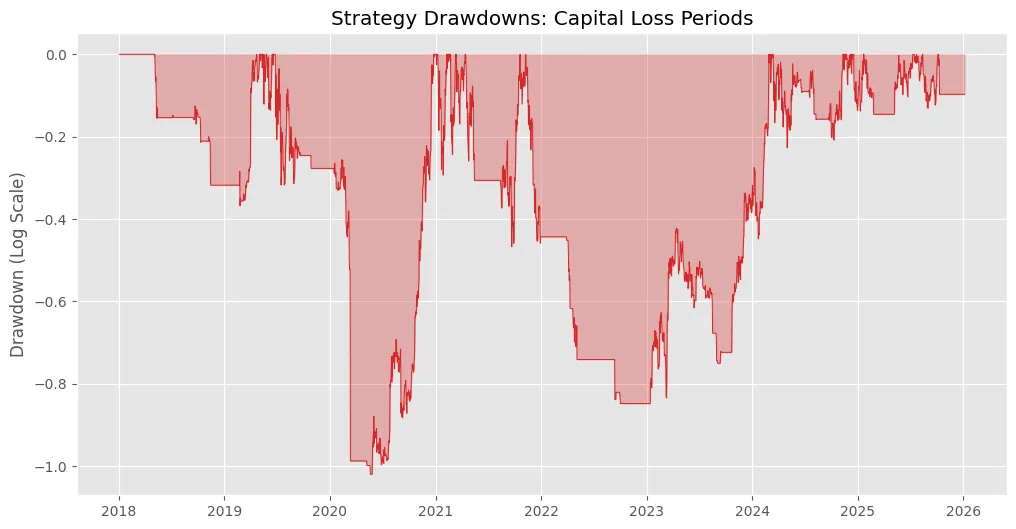
These questions signal a structural shift. Once assets are evaluated this way, markets do not revert to emotional pricing cycles. The framework has changed.Crypto is no longer being priced only as an idea. It is being priced as an asset.