



The price move
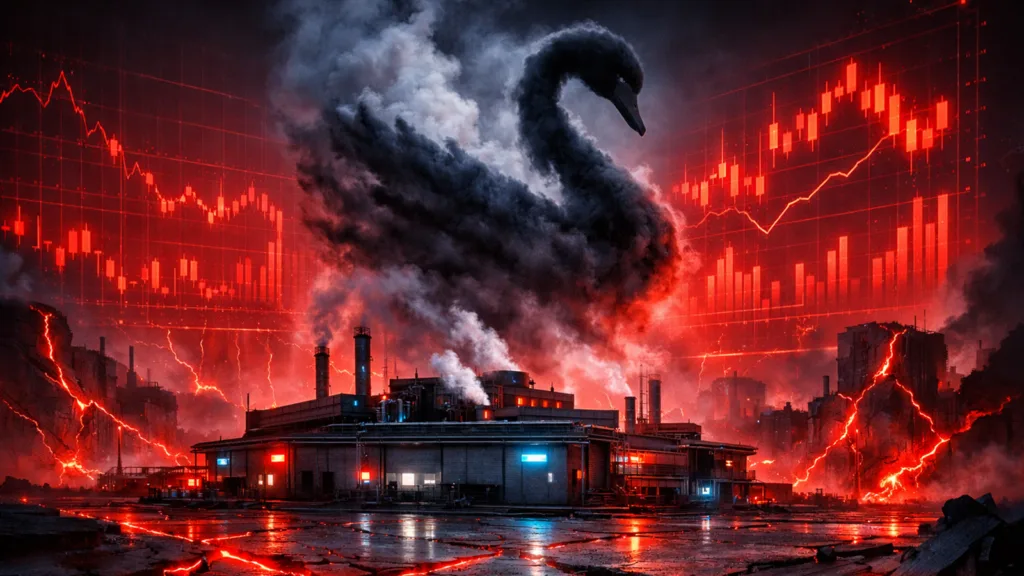
The beginning of everything follows a fixed pattern. The market experiences an unexpected movement that should not occur. The market experiences a rapid price change which leads to a sudden surge of trading activity. The market experiences an excessive decrease which does not match the actual newsworthiness of the event.The market maintains its stable state until it suddenly shifts into chaos. The system displays its most vulnerable state through what seems like an unpredictable disturbance.
Beneath the surface (flows, liquidity, structure)
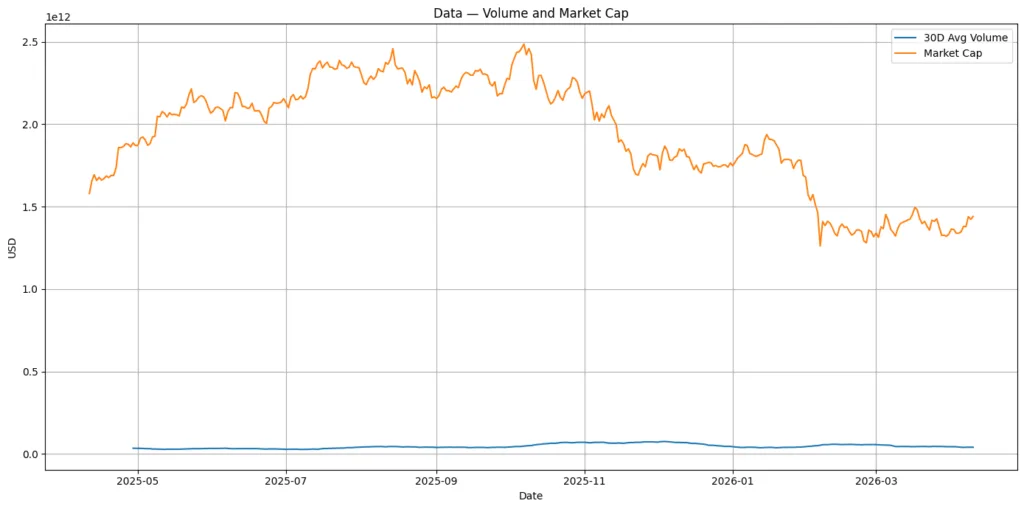
The data shifts before every major dislocation. The market experiences thinning liquidity. The market order books of the stock exchange show reduced trading volume. Investors who control large amounts of capital take their money out while individual investors continue to buy. The volume appears to show strong activity however its actual worth decreases because of increased market noise and diminished trading confidence. Both on-chain data and market structure data provide identical information.
The distribution of capital becomes more restricted when fewer investors control most of the assets. The derivatives market experiences increasing leverage to dangerous levels. The funding rates start to decrease before they experience an extreme increase that occurs during high-stress situations. Stablecoin flows stagnate or reverse which indicates a drop in risk-taking behavior.

The market shows increased asset connections at this moment. The assets that used to operate separately now function as a single unit. The need for diversification reaches its peak yet all available options for it have vanished. The market shows signals that exist beyond their boundaries. The system includes multiple signs which serve as early detection mechanisms for impending systemic pressure.
The system is manufacturing risk
The moment of illusion termination happens at this location. Crises do not originate from external forces which strike established systems. The system itself is producing them. Modern markets operate with extreme efficiency because their components work together while they need constant access to funds.
The system establishes a vulnerable state which depends on continuous operation of its systems to maintain its current state. When a disturbance occurs even a small one it interacts with leverage, positioning, and behavioral feedback loops. Liquidations create a chain reaction which results in additional liquidations.
The models which assess risk create a requirement for organizations to reduce their level of risk. Market makers respond by increasing their spread distance or choosing to exit the market altogether.
The sequence which follows does not produce any immediate answer. The sequence produces a chain of events which unfolds in multiple ways. The reason people perceive crises to emerge suddenly is because preexisting fragility already existed before the crisis. The trigger simply reveals it.
Advanced layer tail risk is structural
The structure of fat-tailed systems predicts extreme events as their expected outcomes. The risk of major disruptions increases with rising complexity and growing leverage. The “tail” demonstrates increased weight because it produces more frequent occurrences of events that should happen infrequently. The nature of risk undergoes transformation through this process. Markets function under conditions that produce abrupt non-linear events which determine their results instead of maintaining continuous distribution patterns.
What it means next the new regime of instability
The frequency of these events is increasing.The world shows no signs of increasing chaos because systems today exhibit greater fragility than before. The first period of stability creates a pattern which leads people to take on higher levels of risk. The first intervention stops market fluctuations for a brief moment while it creates market disturbances which will emerge later.
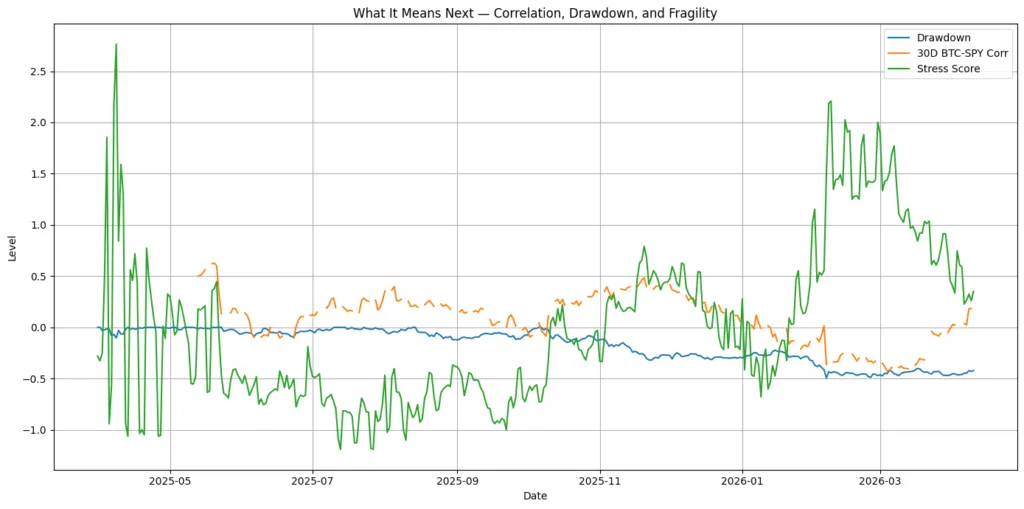
The system will experience cascading effects which will start from every additional complex element. The situation leads to a shortening effect which reduces the duration of crisis periods. The period between shocks has decreased. The system experiences rapid shifts which move it from a peaceful state into a disordered one. The implication is clear.The next Black Swan will occur after the system reaches its breaking point. The system will experience a breakdown after it reaches its present level of system weakness.