



The United States dollar has served as the primary center of the global financial system for multiple decades. The dollar serves as the fundamental currency which supports world oil markets and international trade settlements together with global financial systems and geopolitical power. The last ten years have seen the rise of a new financial system which operates through cryptocurrencies and blockchain-based networks. The system, which began as a special project after the 2008 financial crisis, now processes trillions of dollars in yearly transactions. The current relationship between the dollar system and the crypto ecosystem involves more than mere competition between two currencies.
The existing monetary system interacts with new decentralized systems to create this present-day situation. The dollar system provides essential liquidity to crypto markets yet this system operates as a threat against United States financial power which extends throughout the world. The new capital movement system uses stablecoins and decentralized finance together with cross-border blockchain payments to create new methods for capital movement between countries.
A quiet currency war has emerged from the situation, which experts describe as a new economic development. The established global reserve system relies on the dollar as its foundational currency while institutions like the Federal Reserve and global banking network support this system. The decentralized digital financial system enables users to manage value without relying on conventional banks since it operates without central control. The next stage of international financial development depends on people learning how these two systems interact.

Dollar dominance
The modern financial system has established the United States dollar as its primary currency which creates financial power for America. The dollar emerged as the world main reserve currency following the 1944 Bretton Woods agreement and the 1971 gold standard collapse. The currency controls most international debt creation and worldwide foreign exchange reserves and international trade payment systems. Even countries that do not trade directly with the United States often conduct transactions using dollars because it provides stability, liquidity, and universal acceptance.The United States maintains its economic power through its control of the primary reserve currency.
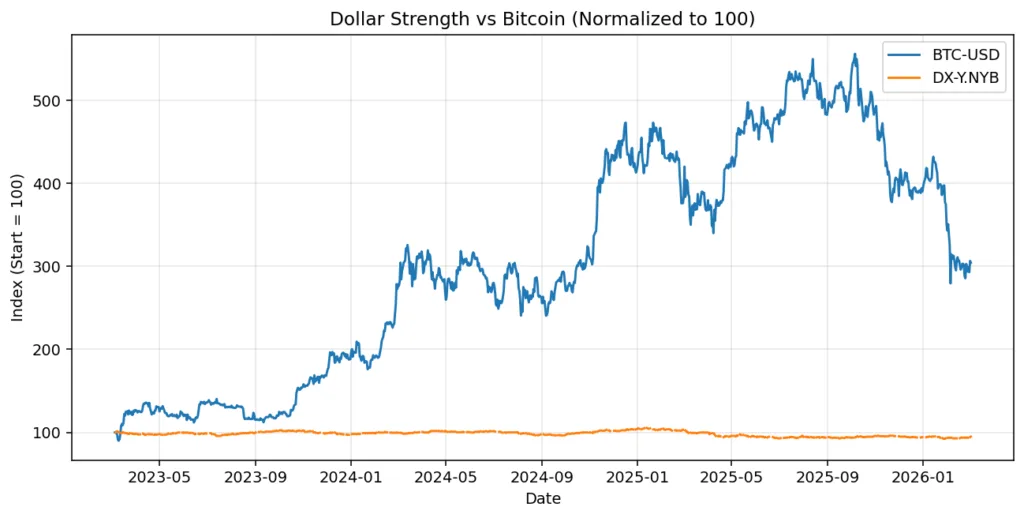
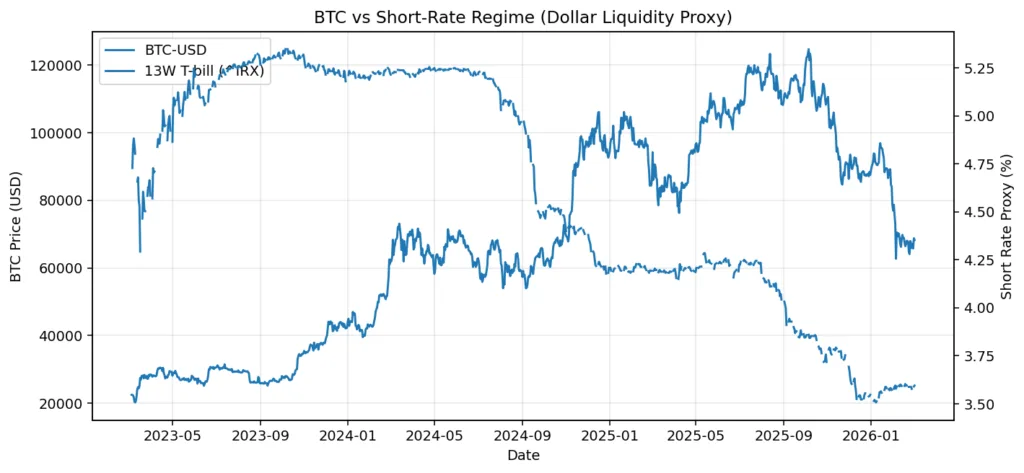
The United States uses its position as the main reserve currency holder together with SWIFT payment system control to impose financial restrictions and control worldwide capital movements and create effects on international money supply. The Federal Reserve interest rate changes create worldwide effects that alter emerging market currency values and financial system readiness in various countries.
The dollar system maintains its power because people now pursue alternatives to it. Countries under sanctions or facing restricted access to international banking systems now seek financial solutions beyond the conventional dollar system. The search for financial solutions has led to the growth of interest in central bank digital currencies and decentralized cryptocurrencies. The dollar maintains its strong position in the market, yet its power now faces competition from an unregulated financial system that operates without requirement for permission.
Stablecoins as digital dollars
The relationship between cryptocurrency and the dollar system has experienced its most exciting development through the introduction of stablecoins. Stablecoins function as blockchain-based tokens which maintain value stability through their connection to established fiat currencies that typically use the U.S. dollar as their benchmark. USDT and USDC provide digital dollar equivalents which users can transfer instantly between different blockchain systems.
Stablecoins have increased the dollar’s international presence according to its developing role in financial markets. People who live in areas without U.S. banking access can use stablecoins to hold assets that maintain their value in U.S. dollars. The dollar now circulates through both banks and financial institutions and through digital wallets and decentralized networks. The blockchain ecosystem operates as one of the largest global platforms which distributes digital dollars.
Stablecoins serve as the main source of liquidity which powers cryptocurrency markets. Traders in cryptocurrency markets use stablecoins as their primary base currency while using stablecoins instead of traditional fiat currencies.The dollar functions as the primary value standard which all decentralized markets use for their trading operations. The ecosystem uses the dollar as its main currency which traders use to evaluate their profits losses and market developments.
Stablecoins create fresh regulatory problems which affect geopolitical relationships. Governments now view the rising volume of dollar-based financial resources which exist beyond standard banking control as a serious danger. Regulators are working on systems that will enable them to supervise stablecoin companies while creating their own digital currencies to compete in the emerging financial market.
Crypto in emerging markets
The interaction between crypto and the dollar system becomes even more pronounced in emerging markets. In many developing economies, local currencies suffer from volatility, inflation, or capital controls that limit financial mobility. For individuals in these environments, cryptocurrencies and stablecoins offer a mechanism to access more stable monetary systems.
Stablecoins have become particularly popular in regions experiencing currency instability. By holding digital dollars on blockchain networks, individuals can protect savings from local currency depreciation while maintaining the ability to transfer funds internationally. This functionality effectively allows users to bypass traditional banking limitations and gain access to global financial liquidity.
Beyond personal savings, crypto networks also facilitate remittances and cross-border payments. Migrant workers sending money home can avoid expensive remittance fees by using blockchain transfers, which settle within minutes rather than days. In countries where banking infrastructure is underdeveloped, mobile wallets and crypto platforms are increasingly filling the gap left by traditional financial institutions.
This trend has created a paradox within the global monetary system. While cryptocurrencies are often framed as competitors to fiat currencies, in practice they frequently reinforce the role of the dollar by enabling wider access to dollar-denominated assets. Emerging markets are therefore becoming a critical battleground in the evolving relationship between decentralized finance and traditional monetary power.
Monetary sovereignty
The worldwide currency discussion centers around the principle of monetary sovereignty which defines its core element. Central banks function as the main authority that enables countries to control their national currencies because they oversee both monetary creation and interest rate determination and financial system protection. The power enables governments to execute their economic strategies while handling emergencies and regulating their internal financial systems.Countries lose their financial power because cryptocurrencies create new investment products which operate independently from governmental supervision. Bitcoin functions on a decentralized system which uses software to establish its monetary rules instead of relying on central governing bodies.
The system establishes digital monetary sovereignty which belongs to network users instead of governmental authorities. The new system creates advantages for governments which need to control their operations while betting their future on upcoming opportunities. Blockchain technology provides financial institutions with better ways to operate their businesses because it brings better financial performance and greater transparency and new innovative solutions. The decentralized currency system makes it difficult for central banks to execute their economic strategies because it becomes so popular among the public.
People will increasingly keep their money in non-government assets which will decrease the effectiveness of traditional methods used by banks to control interest rates. Central banks throughout the world race to create their own digital currencies because of this conflict. Governments want to keep their monetary sovereignty by using digital national currency systems which bring technological advantages from blockchain systems. The race outcome will decide how the global financial system develops during the next several decades.
Conclusion
The U.S. dollar and cryptocurrencies establish a dual financial system which engages in constant struggle. The two systems create a financial system shift which enables them to mutually shape each others operational methods. Stablecoins enable dollar usage through blockchain networks while decentralized finance creates new methods for international capital transfer which bypasses established financial institutions. Geopolitical strife together with new technologies and financial research will determine how fiat currencies and digital currencies will shape international economic policies.
The path which cryptocurrencies will take in the future rests with three factors which include emerging markets and regulatory structures and technological systems. A new period of competition among currencies has begun throughout the world. The dollar maintains its position as the primary currency in international finance yet decentralized networks have established a system which functions outside established financial limits. The world economic future depends on understanding how these changes will create either financial cooperation or rivalry or a mixed economic system.