



Financial crises typically do not originate from numerical data. Emotional states generate the initial progress of financial crises. Investor behavior becomes more automatic when they face rising market uncertainty and spend less time for analysis. The Gulf region’s current geopolitical situation has caused this exact behavior to take place in financial markets. Investors and residents experience distress because of social media reports and military conflict news and unpredictable market movements.
Financial systems need more than outside disruptions to experience complete destruction. The most common cause of financial system disruption comes from widespread financial panic. The financial system experiences stress when investors engage in simultaneous asset selling and capital movement and deposit withdrawal activities.
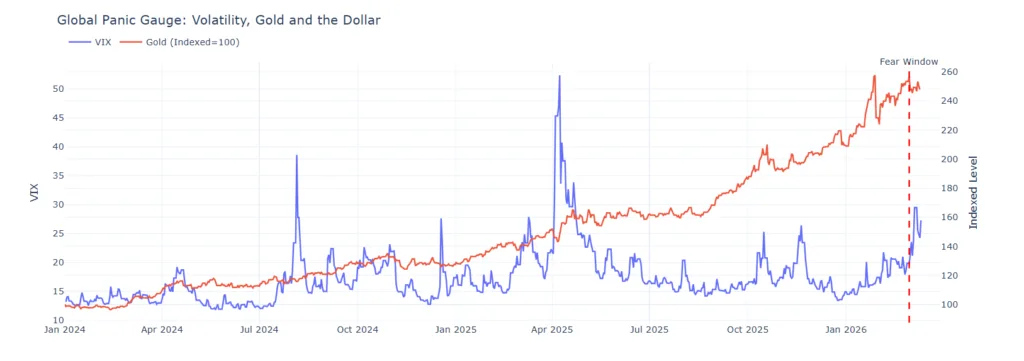
Financial experts advise against panic selling because it creates detrimental consequences for investors. Market systems function to handle normal price fluctuations but they lack capacity to endure unexpected market disruptions caused by large numbers of people who make irrational choices. Dubai’s financial system has encountered multiple critical situations throughout its history.

The 2008 global financial crisis and the 2020 COVID-19 pandemic and multiple regional geopolitical conflicts generated different types of uncertainty. The emirate’s financial system proved its ability to withstand challenges because people rebuilt their trust after the initial panic finished. The speed of wealth destruction during panic periods exceeds the speed of wealth destruction during crises.
Volatility is a natural market response
The market shows immediate reactions to rising geopolitical risks. Stock prices react before economic data changes because markets reflect expectations rather than current reality. During uncertain times, investors quickly adjust risk estimates which causes sudden price fluctuations in assets.
The Dubai market and its surrounding areas in the UAE show higher vulnerability to geopolitical news affects than other economic sectors. The aviation and tourism and real estate sectors show immediate reactions because their operations rely on worldwide travel and investor trust. Investors show temporary pause in their activities during times of increasing uncertainty.
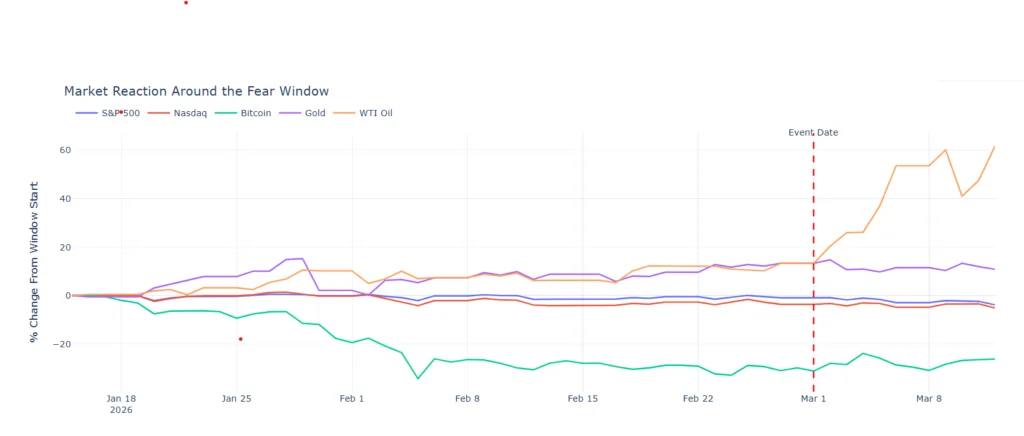
The market shows signs of fluctuating but actual structural weaknesses do not exist. The market undergoes its regular process of corrections which occurs in all healthy trading environments. Price changes enable investors to reevaluate their risk assessments while making better capital distribution decisions. Historical data shows that investors who endure fear-based situations achieve the best long-term results.
For investors who follow strict rules volatility exists as both a danger and an investment opportunity. The market uses this occurrence to begin its process of market adjustment.
Liquidity precautions in a digital economy
Financial advisors recommend that clients maintain a small cash reserve for their financial needs. The advice seems dangerous when people first see it but they should know that it functions as a basic security measure for cash reserves.
The UAE operates one of the most advanced digital financial systems found anywhere in the world. The majority of financial transactions take place through mobile banking apps, digital wallets, and card payment systems.
The environment experiences intensified impacts from temporary interruptions which result from cybersecurity breaches, system failures, and work process changes. The temporary need for operational cash enables organizations to sustain basic operations during minor service interruptions. People do not believe in banking institutions when they keep cash because they want to access money without needing to use banks.
The digital systems of the present time create an efficient user experience although they experience temporary shutdowns. Financial institutions and individual people need liquidity management because it serves as the fundamental element that protects their financial stability.
Why diversification of banking access matters
The recommended banking guideline suggests that customers should open multiple accounts at different banking institutions. This principle is not new. The practice has been followed by sophisticated investors and corporations since more than 100 years ago. People usually understand financial diversification through its application to various investment assets including stocks and bonds and commodities. Operational diversification becomes essential when businesses need to secure fund access through multiple financial partners instead of relying on one bank.
People and organizations can keep their financial operations running when they have backup access methods that work during bank technical problems or service outages or operational delays. The interconnected nature of the global economy shows that organizations should establish redundant systems to demonstrate their preparedness against potential threats.
The structural strength of the UAE Dirham
The first marketplace instability leads residents to worry about the value of the UAE dirham. The currency system requires its complete framework to assess this risk. The UAE dirham operates under a fixed exchange rate system which pegs its value to the U.S. dollar at about 3.6725 AED per dollar.
The Central Bank of the UAE uses active monetary policy and its extensive foreign reserve buffers to sustain this exchange rate standard. The fixed exchange rate system enables central banks to protect currency values during global economic crises. The country needs to face three crisis situations reserve depletion and fiscal distress and capital flight before its currency peg can collapse.
The current economic conditions in the UAE do not show any of these particular situations. The country maintains its sovereign wealth funds while its energy export revenues create strong fiscal income and its banking sector remains well-capitalized. The current circumstances make currency instability one of the least likely outcomes to occur.
The true risk: Confidence and global perception
The UAE financial system will experience its most significant danger during geopolitical conflicts through how people view its financial information. International confidence serves as the foundation for Dubai’s economic framework. The city has positioned itself as a global hub for trade, finance, tourism, and investment. The economic system of the emirate depends on how investors think about its market conditions.
Capital flows into Dubai at high speeds because investors trust the market. The demand for real estate increases while global companies establish their regional headquarters and tourism experiences growth. Investors show temporary market doubts which lead to the capital being held back during periods of rising uncertainty.
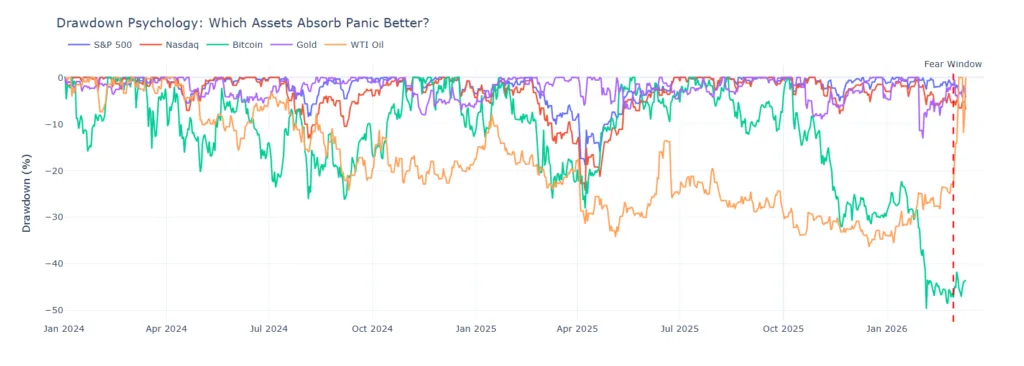
The same international exposure that creates panic during emergencies serves as a recovery booster when normal operations resume. Dubai’s reputation as a strong and welcoming business location has enabled it to draw investment after its regional conflicts. Dubai’s economic model receives high confidence levels which start to decrease when people stop their doubt about it.
The geopolitical context
The present Middle East conflicts produce a complete set of challenges which threaten to disrupt the region’s stability. The world experiences unexpected changes in capital movements because of geopolitical conflicts which create unpredictable outcomes.
Investors select different investment locations when they encounter rising uncertainty because they prefer areas which offer both nearby access and stable political conditions plus strong financial regulations and free capital markets.
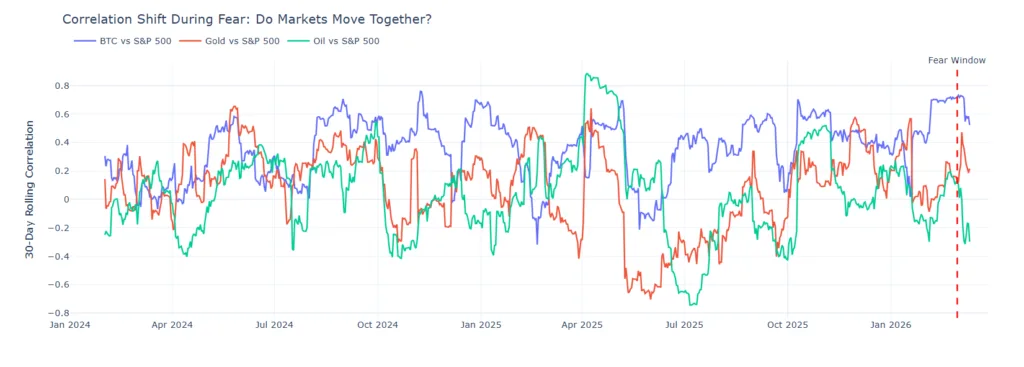
The Middle East contains Dubai as its only city which offers this special status. The city functions as a financial center which also operates as a logistics hub and tourist destination and technological development platform. The country establishes its unique economic identity through its international business connections and existing infrastructure and its business regulations.
Dubai stands as one of the best investment options because it provides international investors with access to regional growth opportunities while maintaining their institutional security.
Why Dubai may actually become stronger
Financial centers which show resilience during times of uncertainty become stronger through crisis situations which create organizational challenges. The city of Dubai will strengthen its image as a secure and trustworthy financial center if it achieves economic stability while dealing with international political conflicts.
Global investors tend to reward jurisdictions that remain operational and predictable when others experience disruption.Several structural factors support the possibility that Dubai could emerge stronger in the coming decade.First, global capital is increasingly mobile.
Wealthy individuals and family offices and investment funds continuously search for jurisdictions which provide them with regulatory clarity and political stability and favorable tax environments. Dubai already satisfies many of these criteria.
The city has evolved into a primary business district which supports new financial industries including digital assets and fintech innovation and decentralized finance. The regulatory framework of Dubai enables financial businesses to operate their activities while traditional financial systems continue to grow.
The Third demographic changes now lead to new patterns of global wealth distribution. Dubai serves as a central point which connects the rapidly developing economic markets of the Middle East and South Asia and Africa. Historical evidence demonstrates that financial centers typically gain power during times when the world faces major security threats. Financial investors prefer to operate in cities which can maintain their services throughout emergency situations.