



The narrative of cryptocurrency has consistently been characterized by extreme liquidity. From the initial stages of Bitcoin trading on hidden forums to the 2021 DeFi surge where yield farming transformed assets into immediate cash generators, liquidity has served as the catalyst that sustained the fires of speculation. As the industry evolves, a new landscape is arising: the tokenization of assets that have traditionally been illiquid. From real estate to fine art to private equity, initiatives are set to “unlock trillions” by integrating these markets on-chain. On the surface, the concept appears to be the ideal connection between the traditional and the modern. In reality, though, it might pose an unforeseen risk that could undermine the bull run crypto is anticipating.
This aspect examines how tokenization might lead to liquidity traps, the risks of over-promising on illiquid assets potentially increasing systemic risk, and what investors need to be cautious of as this discussion intensifies.
The allure of tokenization
The allure is tempting: trillions in assets remain dormant, trapped in sluggish markets. Real estate, venture capital, and luxury collectibles all face significant entry barriers and slow resolution processes. Through the tokenization of these assets, the blockchain community asserts it can convert them into liquid instruments, available for trading around the clock, and fractionally accessible for anyone possessing a smartphone.

Organizations favor the narrative since it provides them with dual benefits: access to fresh investor demographics and a sense of innovation without having to overhaul their fundamental operations. For retail investors, the allure is just as compelling: why choose unpredictable meme coins when you can “own a share” of Manhattan property or a Warhol artwork with one click.
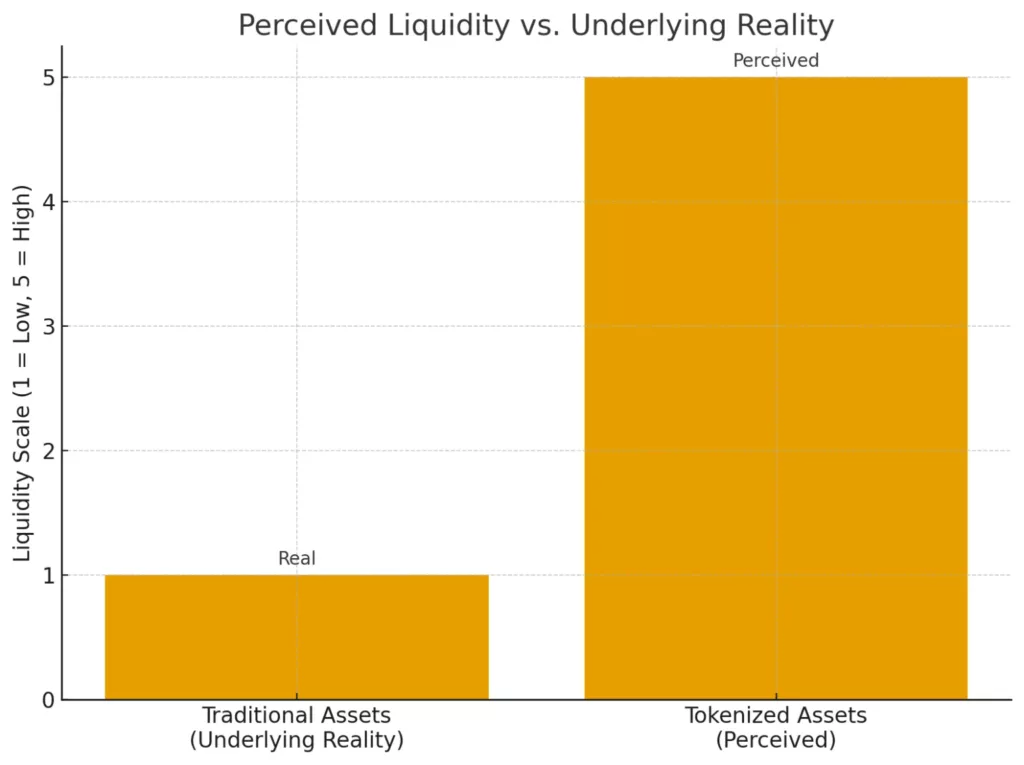
Tokenization is promoted as a means of democratization. However, hidden behind the shiny branding is a fundamental problem that few are tackling: the liquidity discrepancy between the way these tokens are marketed and the actual behavior of their underlying assets.
The illiquidity problem
Illiquid assets lack liquidity for a specific reason. Transferring ownership of a building, auctioning a Picasso, or divesting from a private equity investment can take months or even years. Buyers need to be located, due diligence conducted, and legal structures managed. No blockchain token, regardless of its design, alters this essential friction.
By tokenizing these assets, you generate a representation of ownership rather than immediate liquidity. The token can be traded on exchanges, yet its “redeemable value” remains linked to a slow, unclear process. This establishes a perilous disconnect: market players may view these tokens as liquid assets, but during times of stress, there could be no genuine escape
The 2008 echo
A historical comparison that deserves attention is the 2008 financial crisis. At that time, banks transformed illiquid mortgages into securities that could be traded. Investors believed there was liquidity and safety when, in fact, there were neither. As defaults increased, the securities became harmful, and the false sense of liquidity intensified the downfall.
Tokenized assets may risk reiterating this pattern on-chain. By breaking down illiquid exposure and combining it with DeFi infrastructure, the sector might be creating its own subprime crisis. It’s easy to envision DeFi protocols providing leverage on tokenized art or real estate, similar to their current offerings with stablecoins and ETH. In the event of redemption crises, the leverage would amplify the collapse.
The scale of the narrative
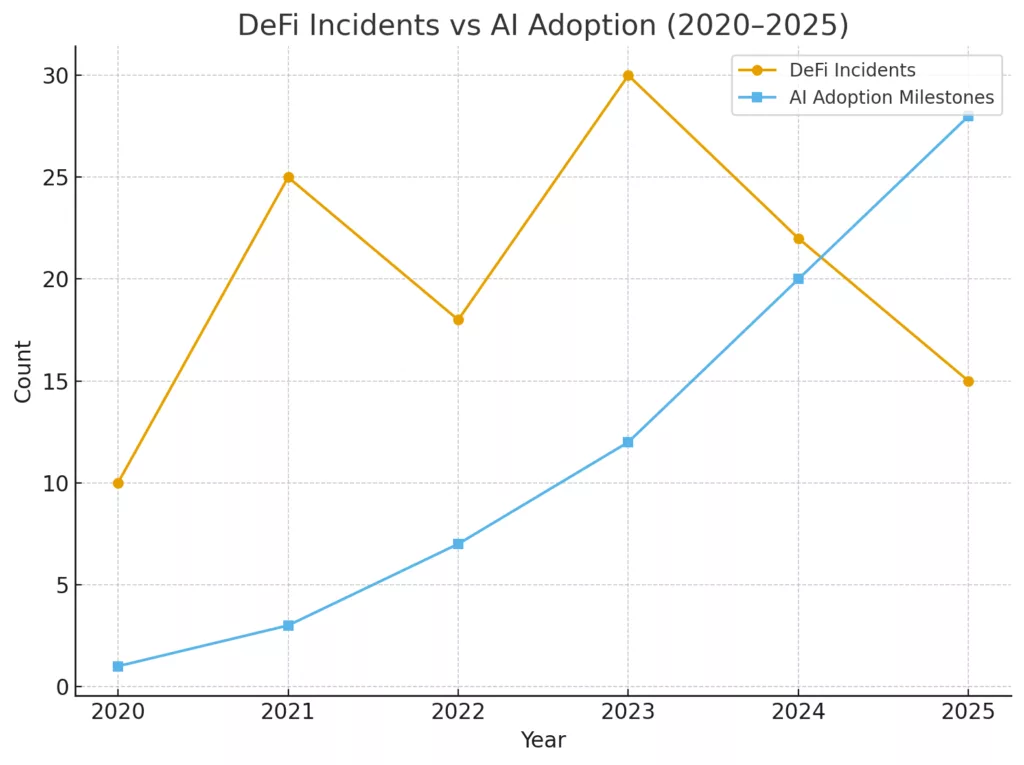
Why is this so urgent at this moment? Due to tokenization emerging as the next significant institutional theme. Larry Fink of BlackRock has described tokenization as “the future of markets.” Large banks are testing tokenized funds and bond designs. Startups are securing millions to digitize luxury items and premium wines.
The threat lies not in these initiatives failing silently. The risk is that they will gain enough traction in retail to create momentum, only to fail during the initial significant pressure test. The bull market might intensify the frenzy, attracting naive investors at the height of excitement, followed by the unavoidable awakening that liquidity cannot be created from nothing.
Why it could crash the next bull run
Crypto bull markets flourish due to two factors: capital influx and market trust. Tokenization jeopardizes both. If a large portion of new retail investment goes into illiquid tokenized assets, it takes liquidity away from stronger crypto foundations such as Bitcoin and Ethereum. When redemption crises hit, the confidence shock may extend back into the wider market.
The impact of the contagion could be significant. Exchanges that offer tokenized assets could experience immediate insolvency if withdrawal demands surpass available liquidity. Protocols in DeFi that utilize tokenized assets as collateral might face a series of cascading liquidations. Retail investors disillusioned by the false promise of “secure, physical assets on-chain” may leave the market altogether. In summary, tokenization might shift from a positive catalyst to the cause of a market-wide downturn.
Possible safeguards
Not everything is bleak and hopeless. Tokenization can still provide genuine advantages if handled openly. Transparent disclosures are essential: tokens representing illiquid assets must include clear warnings that secondary market liquidity does not equate to redeemable liquidity. Redemption schedules should be practical, and collateral structures in DeFi must be modified to represent actual asset risks.
Regulators also have a part to fulfill. Similar to how securities regulations adapted to tackle mortgage-backed securities after 2008, structures for tokenized assets need to be established now to avert systemic risk. Clarity regarding custody, redemption, and valuation criteria will be crucial.
Ultimately, investors need to adjust. Tokens for illiquid assets ought to be considered as long-term investments instead of trading tools. Comprehending the asset class’s fundamentals, including its time frames, risks, and valuation techniques, is crucial now more than ever.
A fragile future
Tokenization could transform finance by connecting traditional assets with digital infrastructures. However, if the industry does not confront the essential reality of illiquidity, it jeopardizes the success of the upcoming bull run. The threat is not in the idea itself, but in the disparity between how things are perceived and what they truly are.
Crypto has endured numerous self-created crises, ranging from ICO bubbles to exchange failures. The tokenization trend may be the most deceptive yet, particularly because it appears so rational and so endorsed by institutions. However, investors must keep in mind: markets don’t fail solely due to poor concepts, they fail when strong concepts are pushed beyond their boundaries.
As the bull run narrative intensifies, the true essence of tokenization might not be its potential to “unlock trillions,” but rather its concealed power to secure liquidity when it is most essential. And that might transform the vision of connecting realms into the horror that obstructs crypto’s upcoming significant rise.