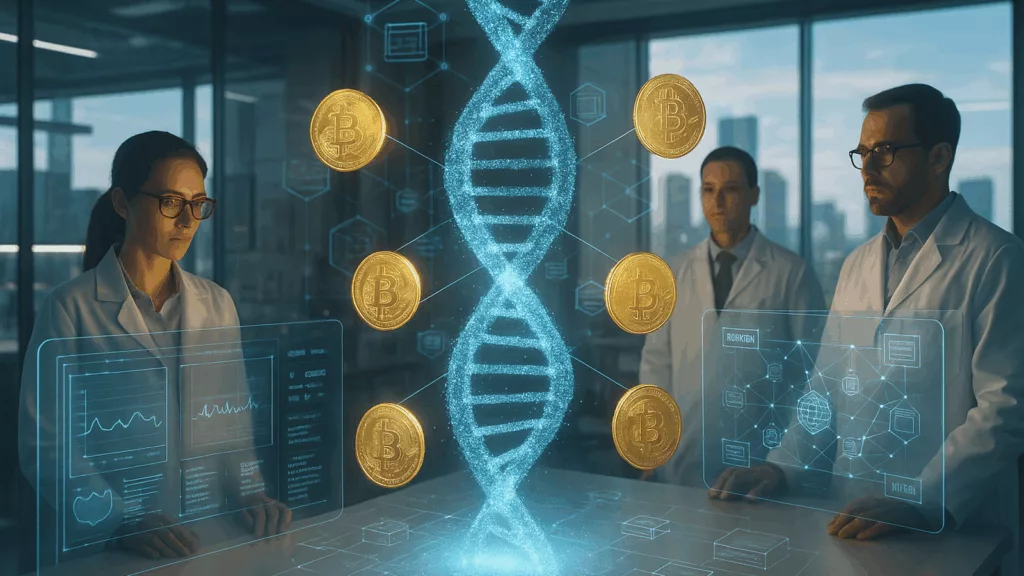



The concept: Turning illness into value
Each heartbeat, genetic sequence, and lab examination represents a piece of human information. For years, these pieces have been kept in private hospital systems, pharmaceutical records, and insurance servers out of reach of the individuals who created them. Patients frequently lack awareness of where their data is sent or who benefits from it. Blockchain addresses this inequality by providing a transparent, secure framework that enables individuals to directly own and share their medical information.
In a tokenized healthcare system, illness information transforms into a validated digital asset. An individual with a diabetes diagnosis could safely share glucose levels, lifestyle information, and medication results on a blockchain-based platform. Rather than being utilized by centralized companies, that information would be encrypted and managed under the patient’s authority. When scientists, medical professionals, or biotechnology firms want to obtain that information, they must buy it with tokens that directly reward the patient for their role in scientific advancement.
This idea signifies a change in medical philosophy: illness is not merely a condition to be addressed, but a possible avenue for empowerment. Information that previously only represented suffering or shame now possesses economic and social worth

How it works: Blockchain in the disease economy
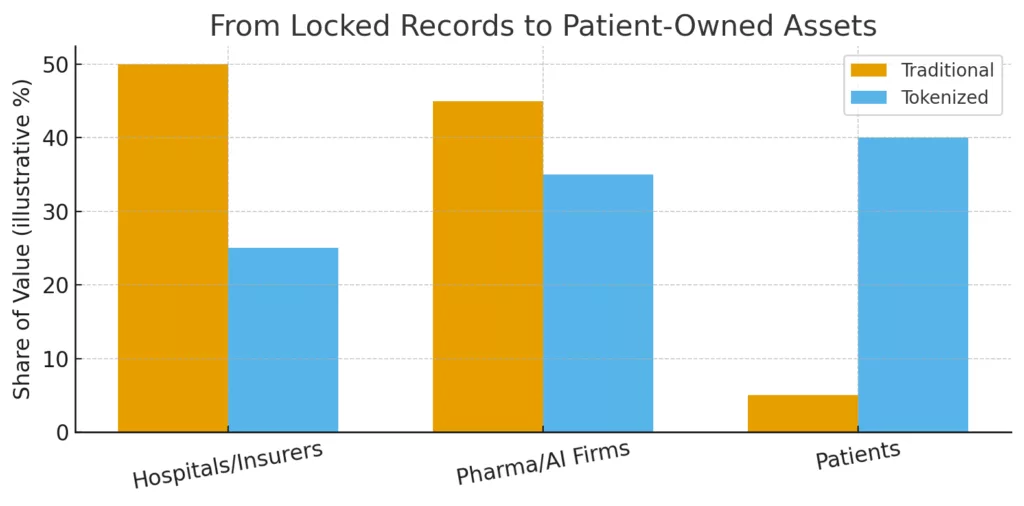
A tokenized health ecosystem functions through a combination of smart contracts, cryptography, and decentralized management. The process starts when a patient agrees to provide data through a blockchain-based health system. The unprocessed data from blood tests, diagnostic imaging, or wearable device metrics is encrypted and kept off-chain in secure databases. On-chain, a cryptographic hash signifies the legitimacy of the record while keeping its content hidden.
Intelligent contracts handle the remaining tasks automatically. When a verified entity seeks access, the blockchain verifies permissions and swiftly processes payments using the system’s native tokens. These tokens can subsequently be traded, staked for benefits, or utilized on the platform for advanced health analytics, consultations, or wellness initiatives.
Initiatives like HealthCoin, which incentivized users for enhancing metabolic health indicators, and BurstIQ, a platform for healthcare data transactions, have shown proof-of-concept. Amid the COVID-19 pandemic, both governments and private organizations investigated blockchain for tracking contacts, verifying vaccine supply chains, and ensuring transparency in clinical trials. Despite the fact that numerous experiments are still in their initial phases, they have demonstrated a crucial insight: blockchain can enhance the trustworthiness, traceability, and patient focus of disease data.
The promise: A cure for data inequality
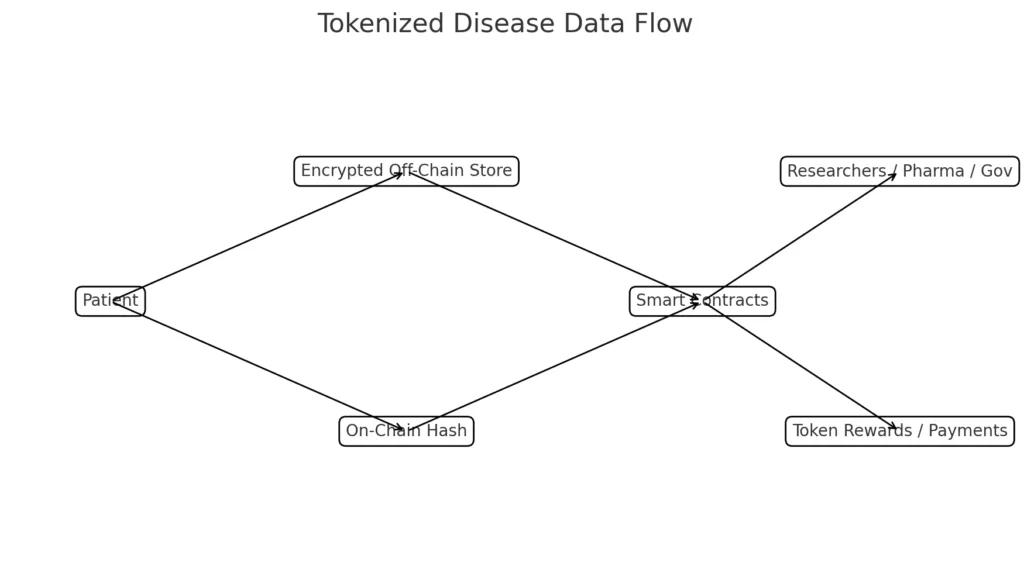
A subtle injustice in contemporary healthcare is the disparity in data. Although corporations and research organizations benefit from medical data, patients seldom receive any advantages. The tokenization of illness aims to change this trend by establishing a participatory economy. Every contribution of data, be it a scan, a genome sequence, or a health update, transforms into a micro-asset with quantifiable worth.
This democratization of data can expedite worldwide medical advancements. Researchers would obtain access to vast, validated datasets from varied populations, facilitating quicker AI training and improved clinical insights. Public health officials might utilize permanent records to monitor disease outbreaks instantly while maintaining privacy. Drug companies could develop medications more effectively, incorporating clear feedback systems between patients and researchers.
In underdeveloped areas, where healthcare infrastructure is disjointed, blockchain networks may link patients, hospitals, and NGOs on one, trustworthy ledger. Envision a blockchain for tracking malaria in Africa that incentivizes citizens with tokens for providing test results, assisting authorities in real-time outbreak monitoring. Every token could finance local clinics, buy medications, or even cover insurance premiums, all transparently documented on the blockchain.

The ethical dilemma: When health meets the market
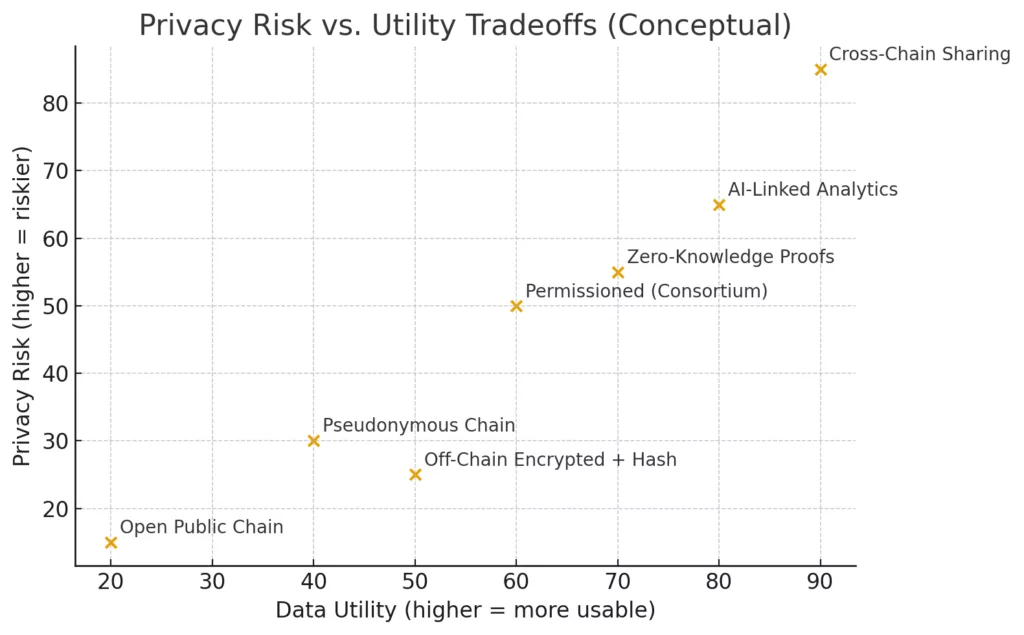
Nonetheless, similar to any advancement that blends ethics with economics, tokenizing illness carries specific risks. Health information is extremely confidential. Even when anonymized, the immutable nature of blockchain means that once data is recorded, it cannot be entirely erased, opposing privacy rights such as the EU’s right to be forgotten. Re-identification, though difficult, remains possible with advanced AI technologies.
There is also the moral quandary: should human illness be viewed as a product? Turning illness into a marketable item raises worries about exploitation, as vulnerable patients might share personal information for profit or businesses might speculate on tokens linked to particular health conditions. The concept of “health equating to wealth” can inspire, but it might increase inequality if not approached carefully.

Real-world impact and the road ahead
There is also the moral quandary: should human illness be viewed as a product? Turning illness into a marketable item raises worries about exploitation, as vulnerable patients might share personal information for profit or businesses might speculate on tokens linked to particular health conditions. The concept of “health equating to wealth” can inspire, but it might increase inequality if not approached carefully.
Artificial intelligence enhances the potential. Tokenized health records supply AI systems with organized, validated data, significantly enhancing the precision of disease forecasting models. Consequently, insights from AI can be integrated into the blockchain, providing rewards to contributors whose data demonstrated the greatest worth. The outcome is a self-perpetuating feedback loop, a digital environment where each diagnosis, recovery, or relapse adds to shared medical knowledge.
Envisioning the future, one can conceive of a “DeFi for Health” environment: decentralized finance systems supporting medical research via smart contracts. Token holders may stake their assets into disease-specific pools like cancer, Alzheimer’s, and heart disease, with returns linked to quantifiable health results. Rather than charity events or delayed grants, blockchain could provide clear, immediate funding for treatments.
From exploitation to empowerment
The convergence of blockchain and healthcare uncovers a profound reality of our era: information serves as currency, and health represents the highest form of data. Tokenizing disease does not imply taking advantage of suffering; rather, it acknowledges that each patient’s experience adds to the universal understanding of humanity. Blockchain guarantees that contributions are acknowledged, identifiable, and justly compensated.

The challenge now is philosophical, not technological. Can society build a crypto-health ecosystem grounded in empathy, fairness, and scientific integrity rather than profit alone? If so, the same technology that powers speculative trading and digital art might one day power something far greater a decentralized revolution in how we fight, understand, and ultimately cure disease.
Leveraging disease in crypto may have started as an experiment. But in the years ahead, it might become the foundation of a new kind of wealth one measured not in coins or charts, but in healthier, more empowered lives.