


When stability disappears
Economies that maintain stability use bank accounts and investment portfolios and permanent financial plans as their standard method to evaluate wealth. The definition of wealth changes when wars and economic disasters occur. The loss of political stability leads to declining currency values which results in increasing inflation rates and diminishing trust in financial institutions.
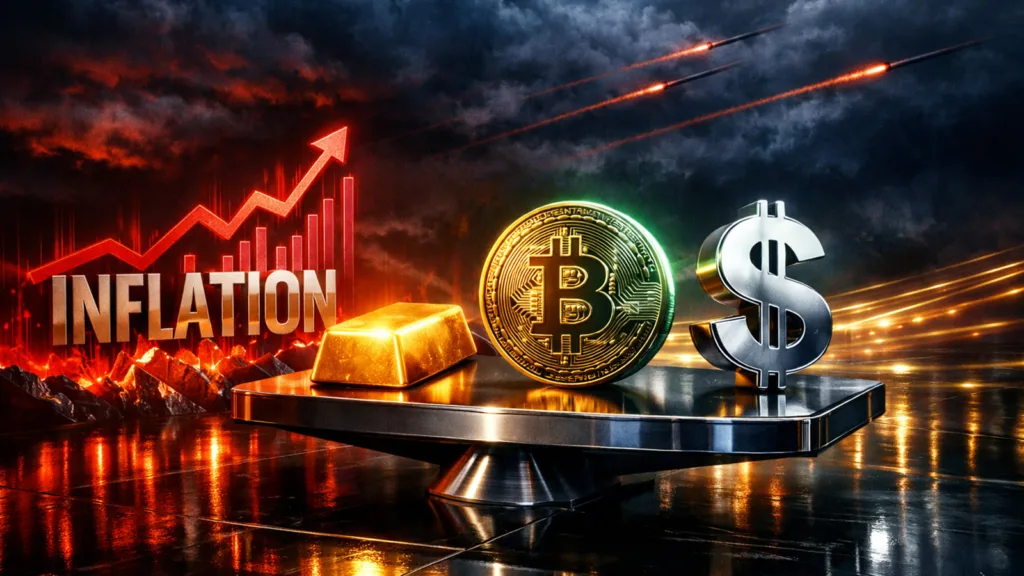
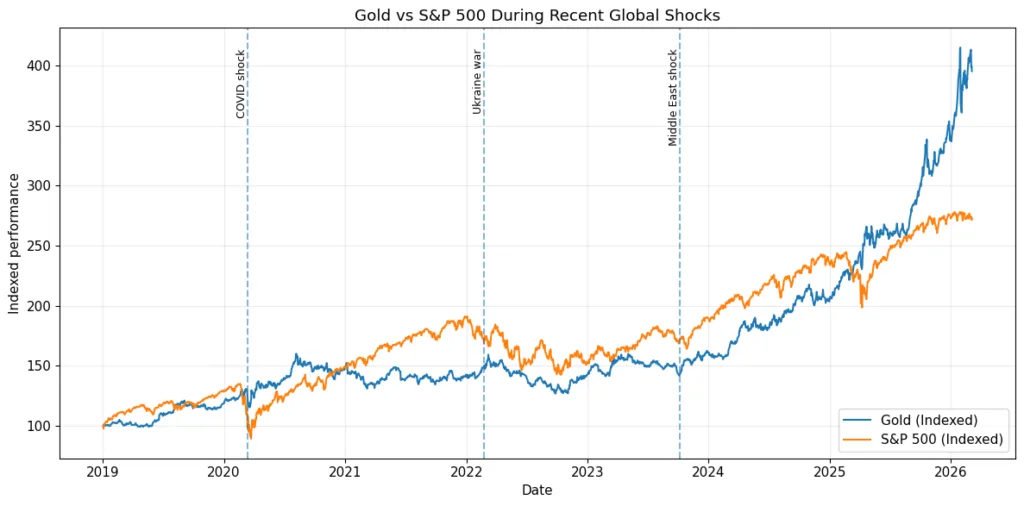
The financial assets which people once considered secure now appear to be unstable. Investors and companies in this situation choose to protect their existing assets instead of pursuing higher profits. This pattern has appeared as a recurring theme throughout all periods of contemporary history. Investors usually move to safe assets during times when world politics create global financial instability. Gold prices increase during international crises because real estate acts as a secure physical asset and Bitcoin and other digital assets now serve as viable options to replace established banking systems.
The situation in Lebanon demonstrates how wars and rising prices and financial system collapses lead to economic changes which change how people view their wealth. People who experience economic instability must discover which assets maintain their value when currencies drop and institutions lose their credibility. The need to find safe assets shifts from being an academic concern to becoming a matter of personal importance.

War as an economic shock
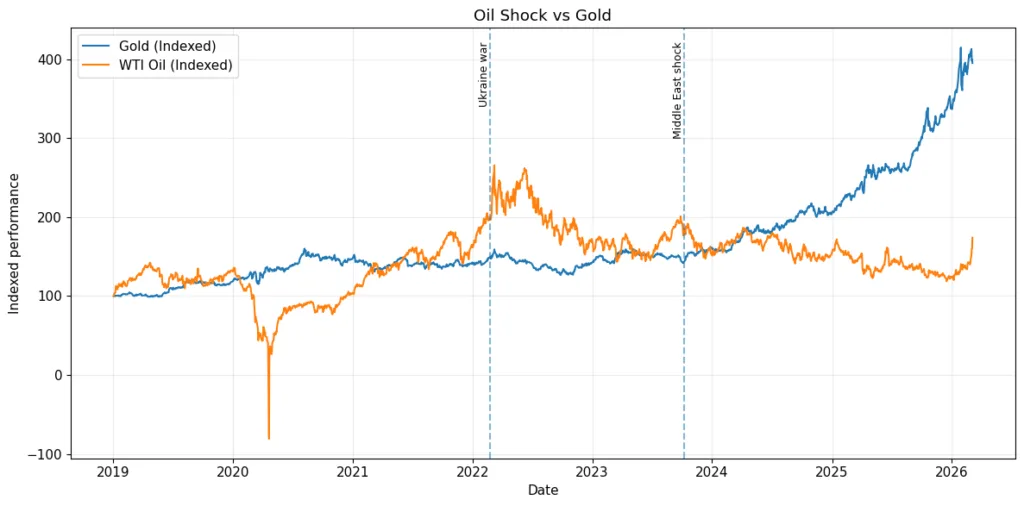
The start of war does not happen through military actions only because geopolitical conflicts start to create economic impacts before battles begin. Geopolitical tensions which arise between nations will start to disrupt financial systems before any actual combat takes place. Political instability can trigger capital flight as investors move funds away from perceived risk. Currency markets respond to increasing uncertainty through two main effects which include currency depreciation and inflationary pressure. International trade disruptions can reduce access to essential goods which results in increased price fluctuations.
The major historical conflicts which occurred throughout history produced enormous economic impacts. World War II reshaped global currencies and financial systems. Regional conflicts which produced oil shocks created changes in energy markets and inflation forecasting. The financial markets in various regions today respond to developing geopolitical tensions through immediate reactions to emerging political risks.
The negative impacts of instability reach their highest point when a country faces continuous political and economic disruption. The domestic confidence of people in economy declines while institutional strength decreases and state assets lose their trustworthiness. People who find themselves in vulnerable financial situations will search for methods to protect their wealth through alternative systems of asset storage.
Inflation and the silent destruction of wealth
The constant presence of war affects media coverage whereas inflation works to decrease people’s buying capacity throughout the years. Inflation represents a decline in the real value of money. The process of price increases which outpace wage growth results in the gradual decline of savings which lose their power to buy goods and services. Households that maintain most of their wealth in cash and local currency accounts experience inflation as an invisible tax.
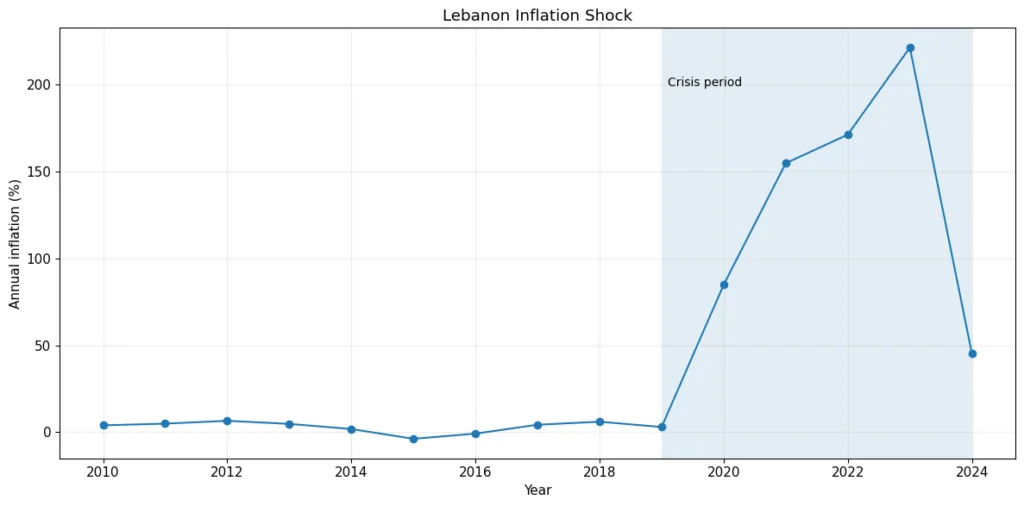
Hyperinflation occurs during severe economic crises when inflation rates reach extreme values and all confidence in currency fails. The everyday economic patterns of people in three regions which include Latin America and Eastern Europe and sections of Africa show how inflation transforms their behavior. Lebanon provides a clear example of this cause and effect relationship.
As the Lebanese pound depreciated dramatically inflation surged and purchasing power collapsed. The accumulated savings which people spent decades building up suddenly lost most of their actual worth. People search for assets that maintain value when their local currency system becomes unstable.
Gold humanity’s oldest safe haven
Gold has functioned as a value store for more than 3000 years. People throughout history have trusted gold as their most reliable asset because of its limited availability and permanent nature and global acceptance. Geopolitical conflicts lead to higher gold demand because investors seek safe assets during these situations. Central banks maintain extensive gold reserves to protect against currency fluctuations while private investors use gold as a safe asset during market downturns. People find gold attractive because its value exists outside the boundaries of all financial systems.
Gold exists as a physical asset which people cannot create or lose value through central bank monetary operations. Social customs in various societies worldwide use gold as a valuable asset which exists between Lebanon and the entire Middle East region. People see jewellery and physical gold as savings assets which they will pass down to their children.
Gold has certain disadvantages that exist. It is difficult to transport across borders, requires secure storage, and is less convenient for everyday transactions. Newer solutions have developed because existing solutions present multiple obstacles.
Real estate the tangible store of value
Real estate serves as a conventional safe haven which people choose when economies face downturns. The property market provides investors with physical assets which maintain their value during currency market fluctuations. Property values increase when inflation rises because land and buildings maintain their value despite economic downturns. In many countries facing inflation, real estate becomes a preferred investment vehicle for preserving wealth. Property ownership enables people to earn rental income which strengthens their financial stability. The diaspora of Lebanon has historically invested large amounts of money into the real estate market of Lebanon.
Lebanese property ownership allowed many families who lived abroad to build financial assets and maintain their connection to their homeland. The real estate market creates multiple obstacles for people who want to protect their interests during times of crisis.
The property market requires customers to wait for their assets to become available for sale in order to receive cash. Economic downturns that lead to political instability will create a negative impact on real estate markets because they will reduce business operations. Real estate functions as a critical asset for people who want to protect their wealth, but it becomes challenging to use during times when financial conditions undergo quick transformations.
Crypto the emergence of digital safe assets
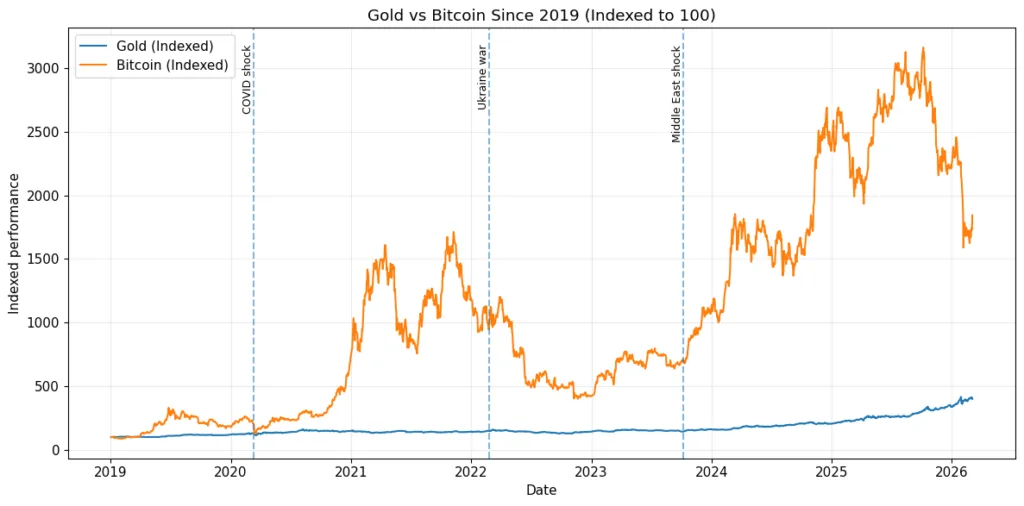
Digital assets have emerged as a new topic for safe haven research during the last ten years. Bitcoin operates as a decentralized financial system which functions without any need for traditional banking systems because it was created as the first mainstream cryptocurrency. The supply of the currency exists through algorithmic rules which protect it from inflation which affects many fiat currencies. Investors consider Bitcoin to be digital gold because they believe it functions as a value-preserving asset which central banks cannot control. Financial instability has increased the significance of stablecoins which exist beyond Bitcoin.
Stablecoins function as digital tokens which maintain a fixed value to U.S. dollar-based fiat currencies. Users can use stablecoins to maintain and transfer value which equals dollars without needing to depend on local banking systems. Stablecoins allow users to access digital dollar currency in countries that face both capital controls and currency devaluation. The volatile and debated crypto markets introduce new methods for value storage and transfer throughout the worldwide digital economy.
Comparing crisis assets
The financial markets provide various benefits through their different asset categories during times of market unrest. Gold provides historical credibility and stability. Real estate serves as a physical asset that provides enduring value through extended investment timeframes. Crypto assets provide users with the ability to transfer their assets while gaining access to worldwide financial systems.
Wealth protection through a single asset becomes impossible because different situations require different asset protection methods. People and organizations choose to spread their investments across various asset types because this method helps them manage potential losses.
The combination of physical assets with digital assets and stable currency holdings creates a portfolio that performs better during uncertain times. Safe assets function as instruments for value preservation which organizations need to develop into systems that protect their worth during all operational situations.
Living through economic instability
The experience of economic instability through personal observation results in changes to people’s understanding of financial security. The concepts of inflation currency risk and capital controls which people used to consider abstract have now transformed into common daily experiences. People need to assess different methods which they can use to maintain their purchasing power because financial systems no longer operate based on established assumptions.
The actual application of economic theory becomes evident through the study of human behavior under these specific circumstances. Households distribute their savings among various assets which include foreign currencies gold property and digital assets which are becoming more common. Financial resilience becomes an everyday strategy rather than an academic concept.
A changing definition of safe assets
The worldwide financial system keeps changing its operations. People still value traditional safe assets like gold and real estate, but technological advancements have created new financial protection methods which people can use to safeguard their wealth. The market now includes crypto assets which have emerged as one of the most important recent innovations.
The digital asset market presents users with modern methods to maintain and exchange value throughout the globe even though it has not yet reached the age of gold and property markets. The future of safe assets will likely involve a combination of traditional and digital instruments. Economic stability exists as a fundamental principle which people should never consider as guaranteed throughout their lives. The need for safe assets arises as people and societies face their most critical financial challenge during times when stability no longer exists.