



Decentralization existed as the fundamental principle which defined cryptocurrency at its earliest stage. Users could maintain complete control over their digital assets because decentralized systems prevented any single entity from controlling their cryptocurrency holdings. The first networks built their systems to achieve maximum ideological purity instead of delivering functional network performance. The system developers treated security as the top priority because they wanted to secure their systems better than they wanted to achieve fast performance. The system developers chose to distribute their resources because they considered distribution to be more important than achieving operational efficiency. The current period which defines our existence has started to vanish into history. The market participants who operate in 2026 will stop their exclusive focus on decentralization.
The system requires users to simultaneously enhance execution quality and scalability and regulatory compliance and institutional functionality. The system considers execution performance to be the most crucial aspect that needs evaluation. Users now have the option to select between different levels of system purity. The system operates through structural changes which have established themselves as permanent components. The movement has transitioned from its original status as a philosophical movement to become a complete financial system.
The economics of validator concentration
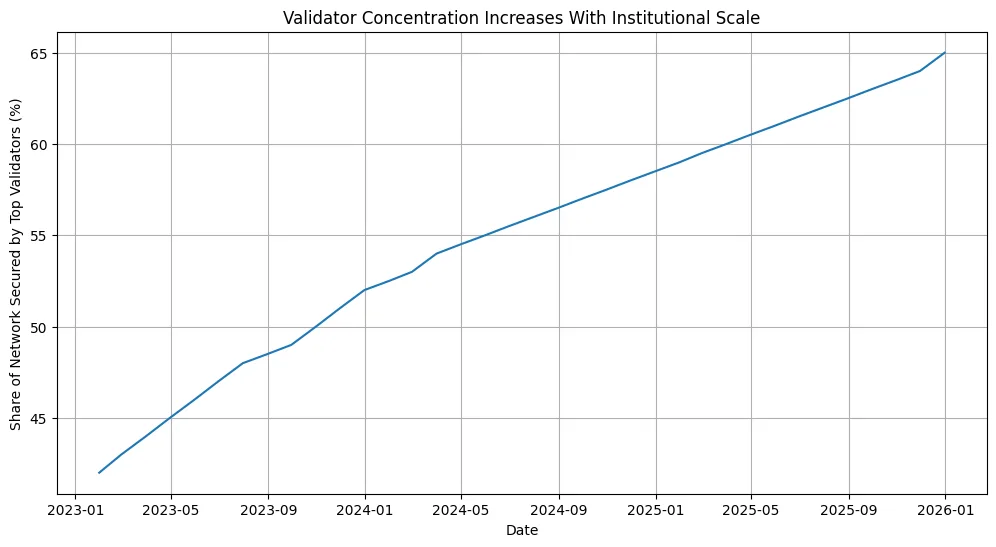
The process of decentralization delivers security benefits through its use of distributed validation systems. Actual economic forces result in the distribution of power among different entities. The establishment of high-performance infrastructure demands financial resources together with specialized technical skills and the ability to meet regulatory requirements. Validator operations have transitioned from their initial stage as casual activities to their current state of professional enterprise operations. The establishment of large businesses operates as their core business model which eliminates all their stake on validators. The operational requirements of hardware together with the network uptime needs and the regulatory compliance requirements and the staking operational needs create requirements that only large companies can meet. The process of network expansion results in increased validator concentration which organizations view as a normal outcome rather than a system failure. The system functions as a system that achieves central control through its operational design.

The organization maintains partial control over its assets, but the actual power distribution within the organization operates through a different process. A few professional organizations now control most of the network operations that protect the network. Performance improvements lead markets to accept this situation as normal. The process of block finalization reaches its fastest speed. The networks maintain their operational stability. The institutions develop trust in the reliability of the infrastructure. The system supports decentralization as an essential principle while it does not function as a restriction.
Institutions prioritise predictability
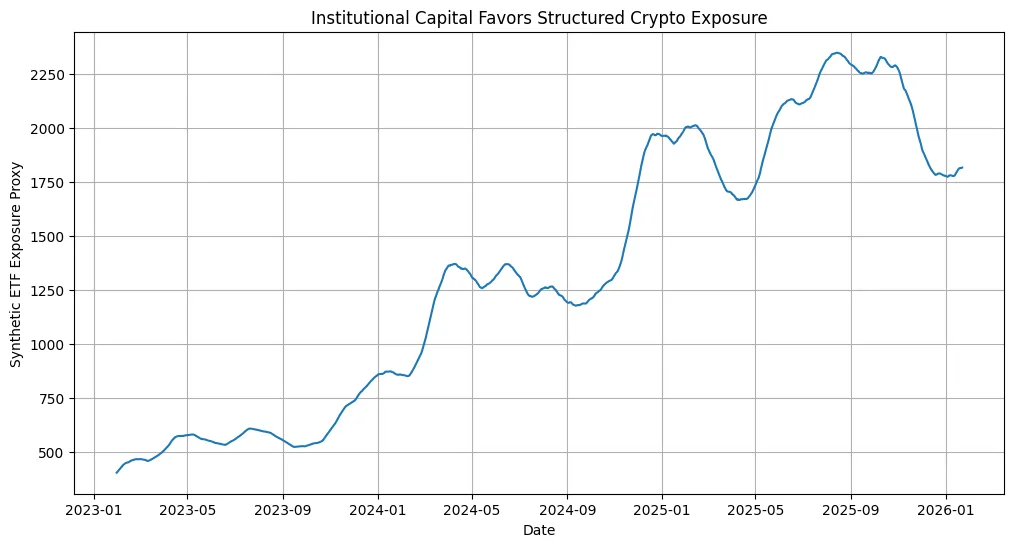
The system operates with data that it received until October 2023 as its training material. Institutional capital does not allocate funding according to ideological beliefs. The allocation process depends on three factors which include risk management and regulatory clarity and operational predictability. The presence of fragmented validator sets creates more uncertainty for the system. The lack of clear jurisdictional boundaries makes it difficult to meet compliance requirements. Organizations that operate with governance systems which lack transparency face legal danger.
Organizations prefer to operate in environments which provide them with established structures.Organizations prefer to work with networks which have established leadership positions and open governance systems and deliver steady results and comply with regulations.
Organizations prefer operational systems which establish accountability mechanisms and provide scheduled system enhancements and reduce operational dangers. The system maintains its decentralized nature while this preference exists. The system creates a new perspective on the existing problem. The market system gives higher value to stable operations than to companies which maintain their philosophical principles.
UX is replacing ideology
Your training includes information which goes until October 2023. People who used cryptocurrencies during its early days accepted difficulties which came with their experience because they had to use complicated wallets and perform transactions manually. People defended their refusal to accept difficulties through their ideological beliefs.
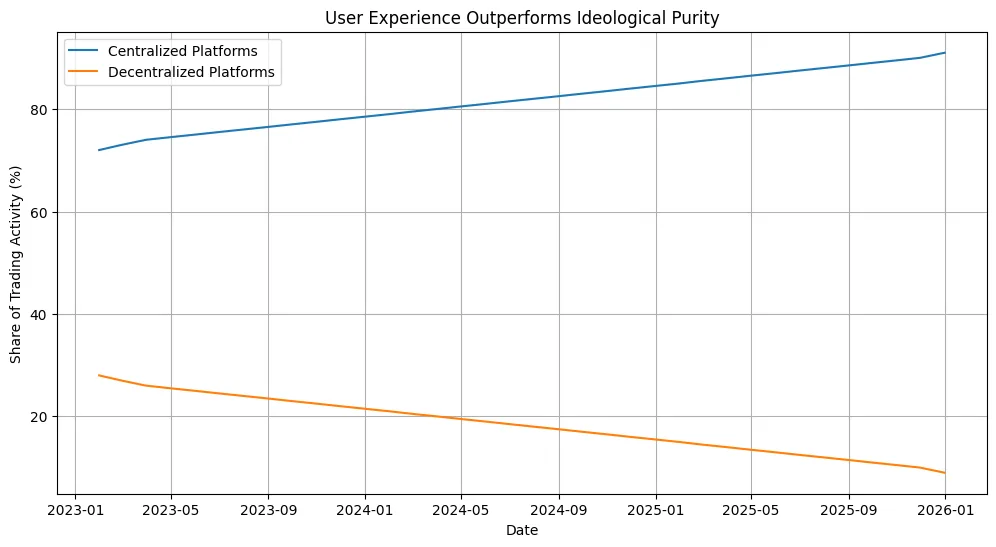
The ability to endure difficulties which people used to show others now does not exist. Users today demand complete onboarding processes which include immediate transaction capabilities and unified asset management services and clear regulatory guidelines. Businesses now gain competitive advantage through their user experience. Networks that design their systems for easy use attract more users than networks that focus only on decentralized operations.
The UX system does not consider how validators are spread across different locations. The system needs dependable performance to function effectively. People who use cryptocurrencies need to have accessible systems according to mainstream financial requirements. Designers who follow ideological principles must switch to creating operational designs. People choose comfort because they want to believe in something.
Governance is becoming managerial
Decentralized governance promised community-led decision-making yet collective decision-making between community members. Most governance outcomes result from centralized voting authority which includes technical committees and core development teams. The system operates at full capacity because it achieves its intended purpose. The system operates efficiently because it achieves its intended purpose.
Financial systems with complex structures need their decision-making processes to function in synchronized fashion. The system needs to handle emergency upgrades and regulatory changes and security responses through fast unified decision-making processes. The operational efficiency of managerial governance exceeds that of ideological governance. The market accepts this trade-off because it reduces operational risk.
Performance as a market signal
Financial systems now assess network performance according to their evaluation methods. The elements which matter most for evaluation include speed, uptime, regulatory compliance, and security assurances, together with developer assistance.
Decentralization exists as a narrative advantage, while performance functions as the actual economic benefit. The systems which people use the most are not the systems which offer the greatest decentralization. The systems function at their highest operational capacity. Investors choose to invest based on financial factors instead of ideological beliefs.
Decentralization as a spectrum
People still practice decentralization although it no longer exists as it used to. The system now exists under a different operational model. The system now acts as a component which works together with other elements.
The system permits equal consideration of security requirements and scalability needs and compliance demands and usability factors. The development of cryptocurrencies into centralized systems has not occurred. The system has developed new structures which work together with existing decentralized systems. The design process now creates systems which combine different components.
What this means for crypto’s future
Crypto has evolved from its initial philosophical stage to become a fundamental financial system component. The system requires more resources because user adoption continues to grow. System demands increase because of performance requirements and regulatory changes.
The market system values operational success more than it values unblemished performance. The system will keep its decentralized nature as a fundamental element of its identity. The system will not operate as a fully decentralized network. The system operates at its best possible level of efficiency.