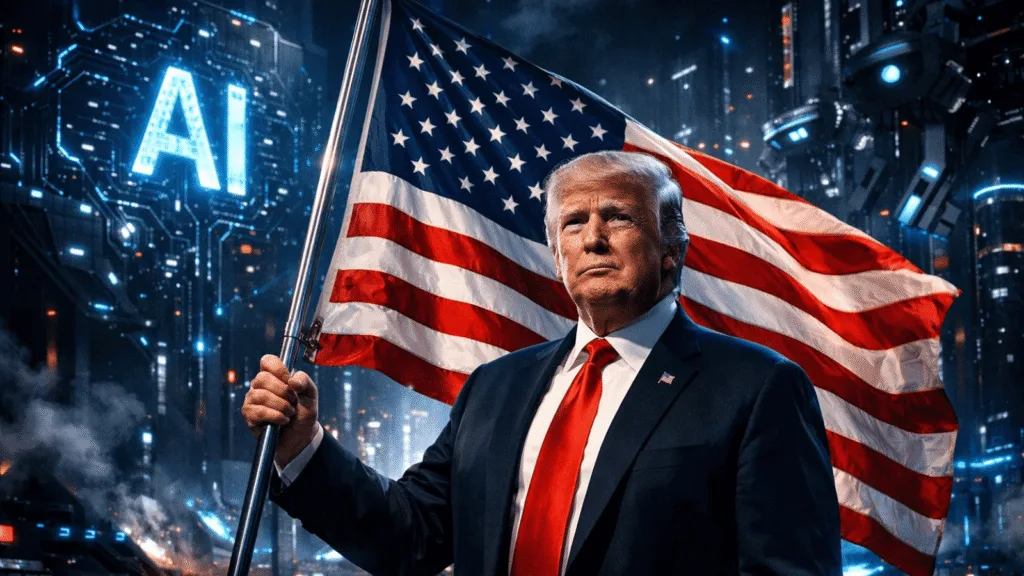



The U.S., after getting the ball rolling on crypto regulations, is now shifting its focus to drafting its AI rules as well. The White House, on Friday, published a national legislative framework to help U.S. regulators trace to finalize national AI regulations.
The proposed framework essentially gives the Congress a foundation to build its AI regulatory approach on.
The aim is to put the U.S. on a pedestal in terms of fostering the technology as the AI race intensifies worldwide. The one directive that has been made clear is to make this law unified for all states to avoid issues caused by fragmented execution.

A total of six focus points have been laid out for the Congress to align their AI policy work with.
The protection of children and empowering parents has been listed the first area of priority, followed by safeguarding American communities and respecting creators as well as intellectual property rights.
“The Administration recognizes that some Americans feel uncertain about how this transformative technology will affect issues they care about, like their children’s wellbeing or their monthly electricity bill,” the White House said. “These issues, along with other emerging AI policy considerations, require strong Federal leadership to ensure the public’s trust in how AI is developed and used in their daily lives.”
Preventing censorship, protecting free speech, and developing an AI-ready workforce are among the six focus points that the White House has directed the Congress to base the AI laws on.
This directive from U.S. President Donald Trump comes after he signed an Executive Order tasking us with the development of a national framework for AI, what he called “One Rulebook” in December last year.
David Sacks, the crypto czar of the White House said, President Trump’s intention to push for this One Rulebook for AI laws was in response to a growing patchwork of 50 different state regulatory regimes that threaten to stifle innovation.
“Today we are releasing that framework. It will help parents safeguard their children from online harm, shield communities from higher electric bills, protect our First Amendment rights from AI censorship, and ensure that all Americans benefit from this transformative technology,” Sacks said. “We look forward to working with our colleagues in Congress to turn the principles we are announcing today into legislation.”
The AI market is on a boom piggybacking on the success of generative AI platforms and the ongoing influx of AI agents into the commerce, corporate, and crypto ecosystems. It seems only natural that the U.S. is taking steps to regulate the sector.
Not just AI, the country is also doubling down its efforts to regulate the prediction markets given their eruption in popularity in the last one year. The CFTC is leading this regulatory overhaul and is already started engaging with industry players and the public on feedbacks around potential regulations.