


If you were deep enough in crypto circles between 2022 and 2025 to follow NFT litigation drama, this case would probably need no introduction. However, for the sake of everyone else, a brief orientation: what just settled was one of the messiest, most theatrical legal disputes the NFT boom left behind, a case that involved allegations of racism, appropriation art, a $9 million judgment, an appeals court reversal, and a trial that ultimately never happened.
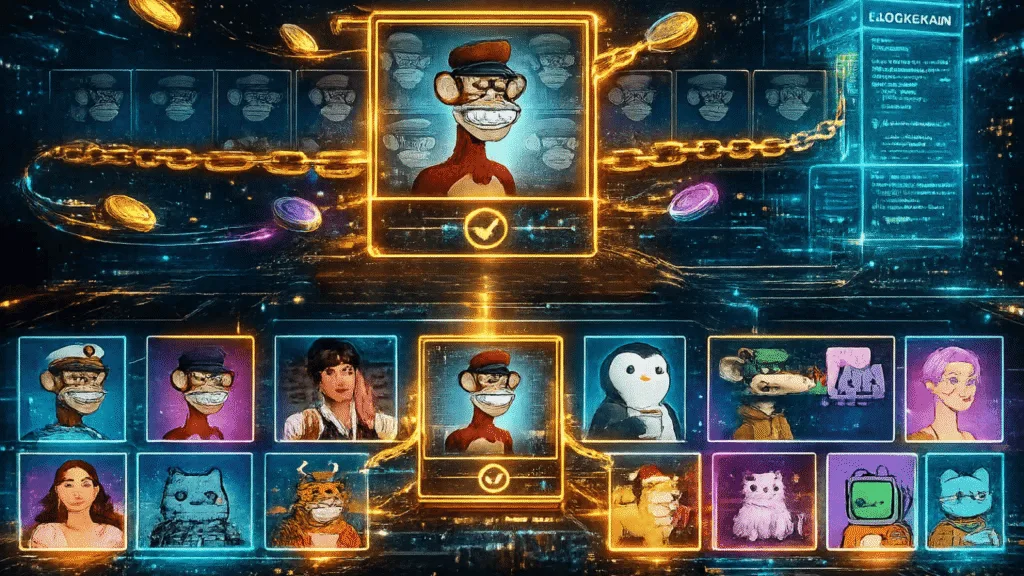
Yuga Labs has settled its lawsuit against artist Ryder Ripps and Jeremy Cahen over their alleged copying of Bored Ape Yacht Club imagery, ending a dispute that centered on whether the pair’s project crossed the line from satire into trademark infringement.
Under the agreement, Ripps and Cahen are permanently barred from using Yuga Labs’ branding and trademarks and must transfer control of the smart contracts, domains, and any remaining NFTs associated with the RR/BAYC project to Yuga Labs within 10 days. Financial terms were not disclosed.

How this got started and how strange it got
To understand why this case matters, you have to go back to the fever pitch of 2021. During their 2021-2022 peak, individual Bored Ape NFTs sold for millions of dollars, with the most expensive changing hands for over $24 million. Celebrities, Snoop Dogg, Justin Bieber, Gwyneth Paltrow, Steph Curry, were buying in.
The floor price of the collection hit a peak of around 153 ETH in April 2022, roughly $430,000 per ape at the time. It was, by any measure, one of the more remarkable collective delusions in the history of speculative assets.
Then came Ryder Ripps. An eccentric conceptual artist with a history of provocative online behavior, he had, among other things, previously minted an NFT audio sex tape of himself and his then-fiancée Azealia Banks, Ripps became publicly convinced that Yuga Labs had embedded racist and neo-Nazi imagery into the BAYC artwork.
He published a detailed website making those accusations and, alongside Jeremy Cahen, launched a project called RR/BAYC, which charged roughly $200 in ETH for an NFT of whichever Bored Ape image the buyer wanted. The project’s website described it as “appropriation art,” a form of satirical protest.
Yuga Labs did not find the framing persuasive. In June 2022, Yuga filed suit, accusing Ripps of false advertising and trademark infringement, saying he was executing a “calculated, intentional, and willful” plan to damage the reputation of the project.
What followed was, by any description, a circus. Court documents from the presiding judge noted that the defendants were not merely obstructive and evasive during depositions and trial testimony, but had also made what the judge called “disgraceful and slanderous statements” about Yuga, its founders, and its counsel, including calling Yuga’s legal team criminals who support “racism, antisemitism, bestiality, pedophilia.”
Ripps also claimed at one point that he had destroyed the private keys related to the RR/BAYC project, a move that prompted Yuga to seek additional sanctions.
The judge sided with Yuga. In 2023, District Judge John Walter ruled for trademark infringement on the grounds that the similar NFTs created by Ripps and Cahen could create confusion in the market. The court ordered the pair to pay $1.37 million out of their profits, with an additional sum for legal fees. The judgment later rose to approximately $9 million after attorney fees were tallied.
The appeals twist and why the settlement happened
At this point, most defendants would have paid and moved on. Ripps and Cahen did not. They appealed all the way to the Ninth Circuit Court of Appeals, and in what amounted to a significant legal reversal, an appeals court overturned the ruling last year, saying a jury should decide whether buyers were actually misled by the RR/BAYC collection.
That sent the case back down for a jury trial, which is expensive, unpredictable, and considerably harder for Yuga to control than the bench trial it had already won. The Ninth Circuit’s reasoning essentially found that the consumer confusion question, whether ordinary buyers actually thought they were purchasing authentic Bored Apes, needed to be tested in front of a jury rather than decided by a judge. And that’s not a small distinction.
On Tuesday, the parties filed a settlement in the US District Court for the Central District of California, resolving all claims. Ripps and Cahen must also transfer control of the smart contracts, domains, and remaining RR/BAYC NFTs to Yuga Labs within 10 days.
No financial payment was disclosed, which raises its own questions about who, practically speaking, came out ahead. A $9 million judgment reduced to a permanent injunction and an asset transfer is a notably different outcome than what Yuga Labs had originally secured.
All of this is unfolding against the backdrop of what the Bored Apes have become since the lawsuit started. By April 2024, Bored Apes had lost approximately 90% of their value relative to their 2022 peak.
The collection that once defined an era of crypto excess now sits underwater. Yuga Labs has been attempting a rebuild through a metaverse experience called Otherside, though it’s fair to say the project hasn’t recaptured the cultural moment that made Bored Apes feel, briefly, like the future of digital ownership.
What this settlement does, regardless of the financial terms, is close a genuinely weird chapter in the NFT story. The question of whether appropriation art can survive a trademark lawsuit in the context of blockchain assets was never cleanly answered, the Ninth Circuit’s reversal suggested the legal terrain here was murkier than Yuga’s original victory implied.
That ambiguity remains. The settlement avoided the jury trial that might have provided a clearer answer. For the people who spent hundreds of thousands of dollars on cartoon apes during the boom, none of this matters much. For anyone still thinking about IP enforcement in the NFT space, the case is instructive, less for what it resolved than for how long and messily it took to get there.