


Decentralized apps, or dApps, are often seen as the pulse of the blockchain environment. Many Web3 newcomers, however, still find them to be one of the most confusing concepts to understand. While dApps struggle to get the same attention as meme coins or price trends, in a sneaky way they power an array of new ideas across decentralized finance, NFT markets, blockchain games, and social networks among others.
As the internet transitions from Web2 to Web3, dApps represent a significant shift in the creation, ownership, and utilization of utility platforms. Designed to provide users with greater freedom, control, and transparency, dApps are not controlled by a single entity – but generally work on a community consensus mechanism.
In this article, we will try to understand the dApp ecosystem and the pros and cons of engaging with them.

What are decentralized applications (dApps)?
A dApp can be defined as a software that operates on a blockchain network rather than relying on a central computer.
Nowadays, a lot of common apps, like banking apps and social media sites, depend on companies to keep an eye on servers, data, and the rules. dApps, on the other hand, are reliant on smart contracts that are self-executing codes stored on the blockchain. They are essential for the functionality of dApps.
The main goal of dApps is to move user trust from institutions to the honesty of code.
Ethereum, Solana, BNB Chain, Polygon, and Avalanche are all well-known blockchains that work with dApps.
How do dApps function?
Every decentralized app needs smart contracts to work. These contracts describe how the app should operate, connect with users, process financial transactions, and ensure ecosystem compliance.
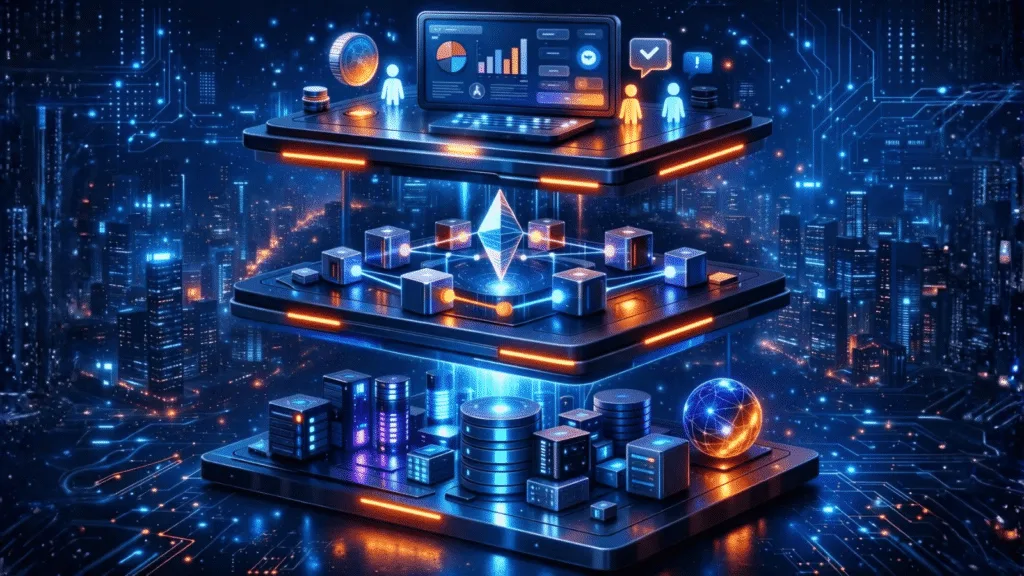
Generally, a dApp consists of three key ingredients:
- There are smart contracts on the blockchain that handle rules and transfers
- Easy-to-use layouts, whether they’re on websites or apps, that make it easier to navigate even for newer users
- Blockchain wallets that connect individuals to the network
A user’s wallet verifies a transaction when they interact with a dApp. The blockchain then takes care of the transaction. Instead of an email address, bank account, or pin codes, dApp users join through apps like MetaMask, Phantom, or Trust Wallet.
Key categories of dApps
dApps come in a lot of different styles, following are the most distinctive ones:
1. The DeFi app: Decentralized Finance apps let people give, borrow, trade, and make interest without banks or middlemen getting in the way. Decentralized markets, lending systems, and yield platforms are some examples.
2. NFT app: Users can create, sell, and show off non-fungible tokens on these sites. They work with digital art, collectibles, game content, and other things.
3. Apps for gaming: In blockchain games, players can own in-game things, earn tokens, and trade them with other players openly. There are ownership and benefits outside of the game.
4. dApps for social and useful task: These dApps, which include decentralized social networks and identity and storage options, are meant to compete with the main Web2 platforms.
Why are dApps important?
dApps are challenging traditional web apps that we have been familiar with. Because these applications are not centrally governed by a single entity, government or corporation, they have proven to be more uncensored and creator/user friendly. Especially when compared to traditional apps, for example ones owned by Google or Meta or X among others.
- Smart contracts are clear because anyone can check them
- Everyone with a wallet can join because dApps give open access
- They offer freedom from control, which lowers the chances of shutting down or unfairly banning something
- Items that really belong to people and aren’t tied to platforms
Benefits of using dApps
There are many perks for regular users of dApps, such as:
- Easier direct access without the requirement of personal information
- Better ownership control over intellectual property
- Availability usually unrestricted from any part of the world
- Chances to contribute in community growth
Risks and challenges associated with dApps
Even though dApps have a lot of potential, they do come with their own risks and challenges:
- If there are bugs, cyber threats can loom large over smart contracts
- There is room for human error like letting bad deals go through
- Rules around dApps remain unclear
- Irregularities in usage prices and slow working speeds also plague a significant chunk of the dApp sector
Customer service is also a challenge. For such apps you might not have a ready technical support team to fix bugs like there is with other mainstream apps. Responsibility falls largely on the user.
How to use decentralized applications safely?
Some of the ways to reduce risks when people use dApps:
- Only use funds and dApps that you can trust
- Always begin with small trades
- Stay away from fake links and keep an eye on the URLs
- Be aware of your rights before you sign the deal
- Check your wallet often and get rid of any cards you don’t need
In a decentralized world, a cautious approach goes a long way.
Future of dApps
As time is passing by, blockchain technology is improving day by day and dApps are becoming quicker, more affordable, and simpler to navigate. Cross-chain sharing, improved wallet user experience, and layer-2 solutions are all contributing to bridging the gap between the simplicity of Web2 and the aspirations of Web3.
Even though dApps may not fully take over traditional apps at this moment, they are still creating significant opportunities where decentralization can truly make a difference.
Conclusion
Decentralized apps are more than just new technology; they represent a change in how we build and run digital systems. By eliminating middlemen and using blockchain technology, dApps make the internet easier for more people to reach and give users more power. Despite existing challenges, understanding the functionality of dApps is essential for anyone curious about the future of crypto and Web3.