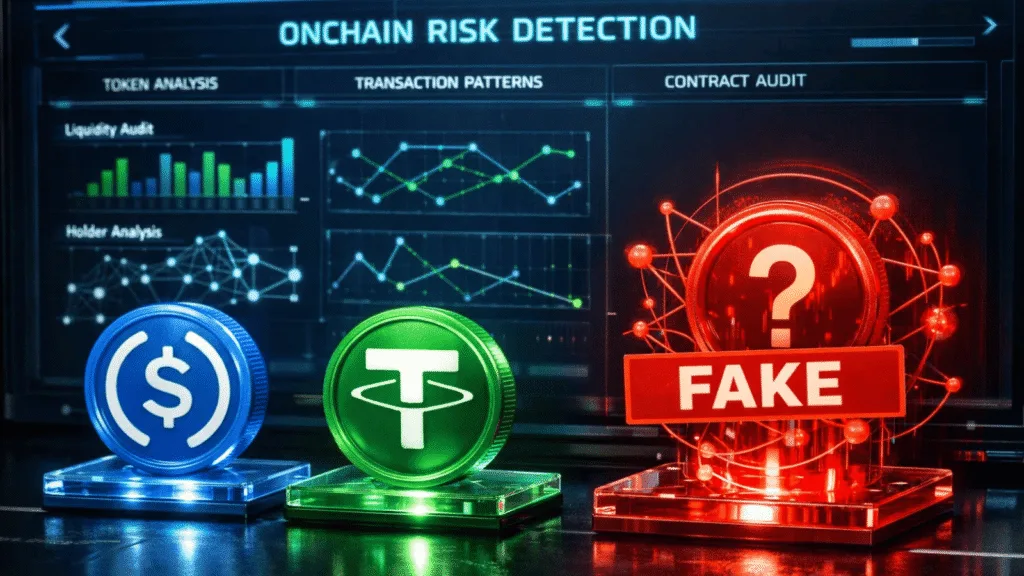



Fake tokens and rug pulls have become a sore tooth for the entire crypto industry. While investments in the entire sector have gone up, industry participants have raised concerns regarding the rise in losses due to fake tokens and rug pulls.
Scammers have continued to make fake-out coins and shady projects just to scam an investor of their money. The seasoned traders get caught if they do not pay attention.
The good news is, there are warning signs you can watch for. In this guide, we will show you the practical ways to spot fake tokens and rug pull reg flags, so you can protect your investments.

What are fake tokens and rug pulls?
Fake tokens are digital assets that represent the virtual appearance of an actual cryptocurrency. They may often be named after existing and popular tokens and can even share their insignia and branding.
The main intention behind their creation often lies in merely cheating investors and claiming a major cryptocurrency reputation for themselves.
Contrarily, in the context of cryptocurrency, a rug pull is an act where the developers of any crypto project pull out all liquidity all of a sudden and leave the investors with worthless tokens.
This kind of scam is increasing, especially within DeFi projects, where it can be easier for scammers because of the decentralized aspect.
Fake tokens: how to spot them
Check the contract address
Always double-check the token’s smart contract address on reliable sources, as scam artists have been caught creating identical-named tokens using a completely dissimilar address. Using a smart contract address incorrectly can result in buying a completely valueless token.
Review project website and team
Tokens with poor websites and anonymous teams are usually fake. Look for a team with real members, LinkedIn presence, and transparent information. If they are not credible or do not make sense, then you should be suspicious.
Assess social media presence
Legitimate projects have consistent social media and community activity. A surviving combination of bots, fake followers, and unfounded hype might indicate a scam. Check the official channels for announcements and user interactions.
Audit and security reports
Ensure that the token’s smart contract has undergone audits by respected companies. The absence of audit information is a risk, as are warnings about vulnerabilities. Well-established projects share audit results.
Liquidity and exchange listings
Lack of liquidity or the absence of the asset on reputable exchanges may be indicative of it being a fake token. Scammers always use dark exchanges, and doing so is always intentional.
Rug pull reg flags
Anonymous developers
Anonymous developers increase projects’ risks. With no one to know who is behind any project, there is limited accountability if something goes wrong. Surprise exits by anonymous teams with investor funds can leave holders with losses. “Transparency about the team’s experience and track record is a key signal of trustworthiness.”
Unrealistic promises
Be cautious of projects that assure investors guaranteed profits or “get rich quick” promises. No cryptocurrency project or investment can assure guaranteed profits. Assess the roadmap and growth rate, as these are more positive and appealing for a legitimate project.
Lack of transparency
Real projects are transparent about their status, audits, partnerships, as well as information about the development of the project. Lack of clarity about their projects, absent audit details, or ambiguous descriptions about their coin or token functionality should be taken as warning signs. Being transparent is being trusted.
Conclusion
While the crypto space can be exciting, one should also be cautious. There are scams out there like fake tokens and rug pulls; thus, it is important to be watchful so that one does not become a victim of them.
Being cautious by checking the contract addresses of a token, the audits of a project, the team behind the project, and how the community receives the project can save investors a lot of headaches down the road.
Follow your guts; be cautious, and if it sounds too good to be true, it is fake.